It’s 7 a.m., practice starts in an hour, and nobody can find the bows, the water bottle or the permission slip. First-season cheerleading parents learn fast that the sport has a lot of small moving parts. A little planning in the first week saves you a dozen scrambles later.

Step 1 – Gather the Team Calendar and the Paperwork
Start with one master calendar that holds every date the coach gives you. Cheer seasons tend to bundle practices, games, competitions, fundraisers and team events, and missing one date can mean missing the rest of the plan.
Collect these items in the first week:
- Practice days, times and locations
- Game and competition dates, including travel days
- Forms, fees and medical consent deadlines
- Uniform, shoe and accessory requirements
- The coach’s preferred way to be contacted
Put everything into one shared calendar your whole household can see, and set reminders a week before each deadline. Build one master calendar before you buy anything.
Step 2 – Check the Coach’s Requirements Early
The coach’s list decides what you buy, so check the coach’s requirements before you shop. Ask about hair rules, shoe type, jewelry, undergarments and whether the team supplies a practice outfit. Written requirements save the arguments that come from guessing.
Cheerleading is also a real workout. The CDC says children and adolescents 6 to 17 need to be active for at least 60 minutes every day, and practice can cover a big share of that. Ask the coach how long practices run so you can plan homework and dinner around them.
If the coach hasn’t sent a list yet, email and ask for one. A missed question is free information, and asking in week one beats finding out in week four.
Step 3 – Sort Out Sizing and Order Deadlines
Uniform orders are where timing goes wrong, because many teams order together and late additions can miss the batch. Ask the coach for the order deadline and who handles the order, then check your child’s size against a tape measure instead of last year’s clothes, and measure before you order. Children can grow a lot between tryouts and the first game.
If your team orders its own kit, compare listings such as Sports Gear Swag’s custom cheerleading uniforms against the coach’s list, and check the sizing chart against your child’s current measurements. Write the measurements down so you aren’t re-measuring for every order.
Order a size that fits now and allows for a little movement, since cheer involves stretching, jumping and tumbling. Keep the coach’s approval in an email thread in case anyone asks later.
Step 4 – Build a Simple Checklist for Practice, Performance and Travel
One checklist beats keeping everything in your head. Make three versions and keep them somewhere you can reach from the front door. Pack the night before so mornings stay calm.
The Practice Bag
Keep the practice bag packed and by the door:
- Water bottle and a small snack
- Practice outfit and the right shoes
- Hair ties and any required accessories
- A first-aid basics pouch, if the team allows it
The Performance Day Bag
On game days, add the uniform, the hair and makeup items the coach specifies, and a spare set of basics. Lay everything out the night before and put the bag in the car or by the door.
The Travel Bag
For away competitions, add a copy of the schedule, forms, snacks that travel well, medication if your child needs it and the contact numbers you’ll need. Pack the night before, not the morning of.
Step 5 – Protect Rest and Energy
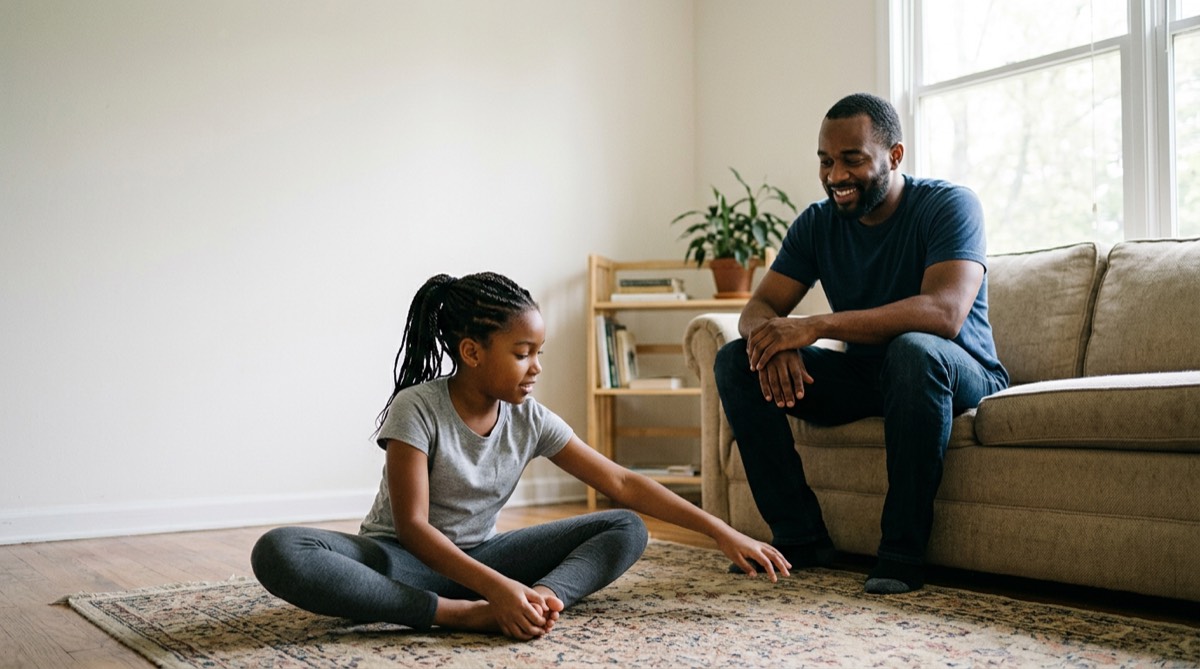
A busy season is easier when your child isn’t running on empty. The CDC lists 9 to 12 hours of sleep a day for school-age children aged 6 to 12, so put the earliest practice and the latest competition against that number.
Plan a quiet evening before competition days and a simple, familiar dinner. Keep homework on a schedule so it doesn’t pile up on competition weekends, and ask your child how their body feels after hard practices, since tiredness and sore muscles are easier to manage when you hear about them early. If your child is also trying other activities, look at what fits into school break without crowding the cheer calendar.
| Top Tip: Once a week, sit down for five minutes with your child and the calendar. Ask what’s coming up, what they’re nervous about and what they need from you. Children relax when they know what’s next, and you’ll catch a missing form or an outgrown shoe before it becomes a morning crisis. |
Step 6 – Keep the Season Fun
Your child’s first season should feel like a team, not a to-do list. Leave room for team dinners, bow-making sessions and the chance to simply watch practice.
Check in after each competition and ask what went well, not just what to fix. Let your child tell you about the best moment before you mention anything else. Praise effort and teamwork over scores. Kids who enjoy their first season usually want a second one.
Spend Ten Minutes on Your Calendar Tonight
A smooth first season comes from small decisions made early: one calendar, one checklist and one conversation with the coach. Open your phone tonight, enter the dates you already have and send the coach your list of questions.
Frequently Asked Questions
When should I order my child’s cheerleading uniform?
Order as soon as the coach gives you the deadline. Many teams order together, and late orders can miss the batch.
What should be in a cheerleading practice bag?
A water bottle, a snack, the practice outfit, the right shoes and any hair items the coach requires. Keep it packed so you can grab it on the way out.
How can I keep up with the cheerleading schedule?
Put every date in one shared calendar and set reminders a week ahead. A weekly five-minute check-in with your child catches changes early.
