Your workday begins with a glowing monitor and ends with a smartphone display. When your daily routine revolves around cloud software, communication channels, and data grids, mid-day exhaustion quickly sets in. Unmanaged screen glare and constant pixel exposure silently sabotage your physical stamina long before five o’clock arrives. Sustained concentration requires a deliberate defense against digital fatigue. Recognizing how excessive screen time impacts your biological rhythms allows you to build a workspace that protects your eyesight and restores your daily drive.
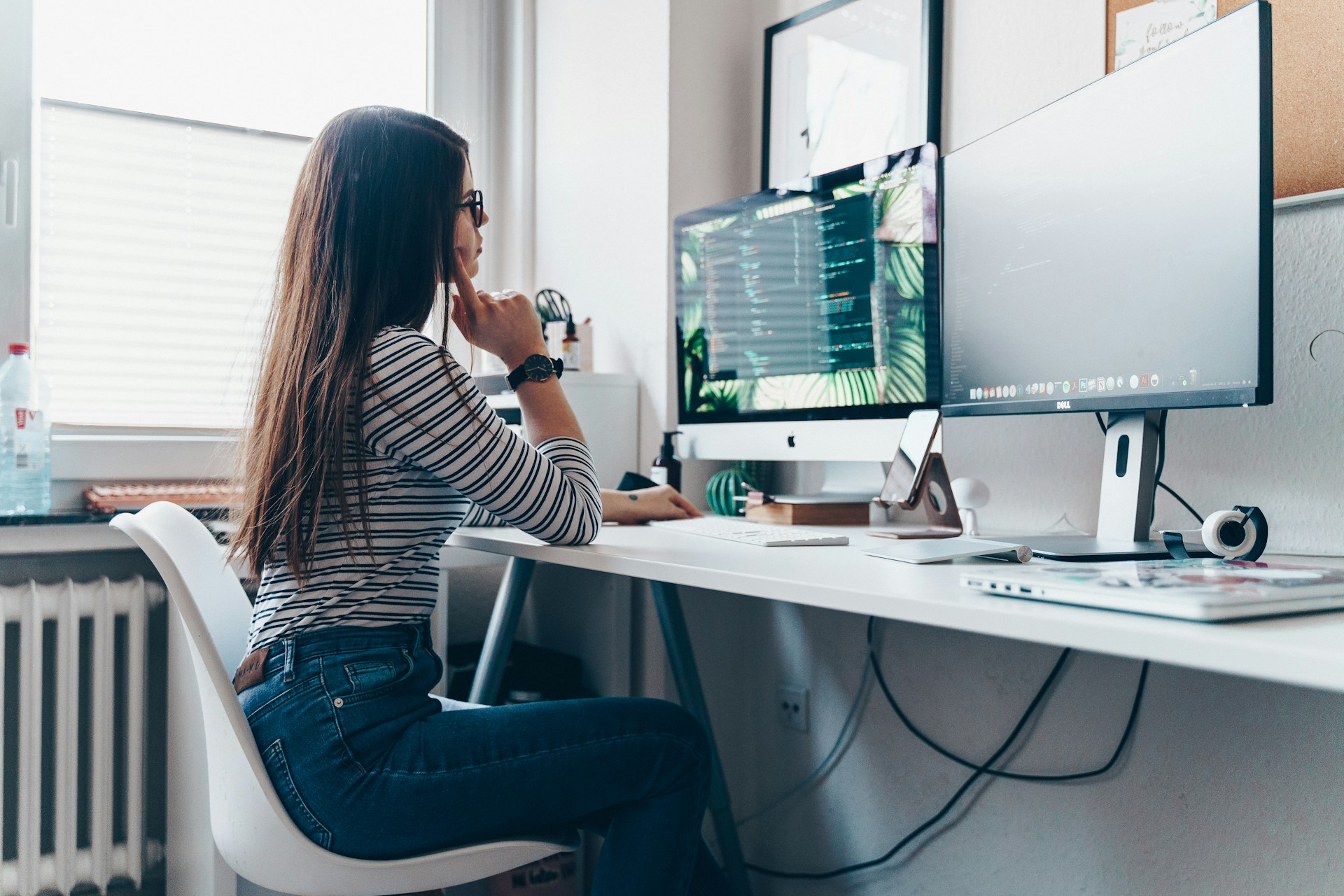
Why does digital eye strain dominate the modern office?
Modern jobs demand constant visual tracking across multiple high-resolution displays. You jump between chat apps, browser windows, and financial sheets without giving ocular muscles any rest. Over several consecutive hours, your blink rate drops by half, leaving your eyes dry, irritated, and sensitive to room illumination.
Remote professionals face an identical challenge at domestic workstations. Without commercial lighting, home offices create harsh optical contrasts that force your pupils to adjust repeatedly. Data from the Centers for Disease Control and Prevention indicates that extended daily screen exposure connects directly to elevated fatigue and disrupted rest cycles. This persistent physiological stress drains your mental clarity during critical projects.
How do spreadsheets and endless emails drain your body?
Processing dense rows of data forces your eyes into continuous micro-movements. Scanning tiny text on bright backgrounds keeps your ciliary muscles locked in tension for hours. This prolonged strain produces dull headaches and painful stiffness along your neck.
Small physical irritations quickly spiral into major productivity losses. You take longer to draft simple replies, make careless data entry errors, and lose your train of thought midway through key tasks. Physical discomfort silently pulls your attention away from high-value objectives, turning ordinary workdays into grueling endurance tests.
Why do unmanaged reflections trigger midday fatigue?
Glare represents an overlooked hazard in corporate workspaces. If you want to protect your focus with specialized anti-glare eyewear, click now to explore dedicated frames designed for digital workspaces. Light bouncing off glass displays creates hot spots that wash out contrast, forcing optic nerves to work twice as hard to decode sentences. Equipping yourself with the right optical tools eliminates the subconscious squinting that drains mental stamina.
Persistent screen glare also disrupts your natural viewing posture, encouraging you to lean forward or tilt your head to find a clearer angle. These unconscious adjustments increase tension in your neck and shoulders, adding physical discomfort to visual fatigue. Creating a glare-free workspace helps you maintain comfortable posture and sustain concentration throughout demanding workdays.
How Does Workplace Lighting Influence Visual Comfort?
Workplace safety guidelines confirm that environmental factors heavily influence physical strain. The Occupational Safety and Health Administration notes that direct light from windows or overhead fixtures create harsh screen reflections that cause rapid eye strain and exhaustion. Eliminating these visual interferences helps your brain conserve energy for creative problem-solving.
Positioning monitors perpendicular to windows and adjusting overhead lighting can significantly reduce distracting reflections. Adjustable blinds, matte screen filters, and properly positioned desk lamps also help maintain balanced illumination throughout the day. Combining these environmental improvements with suitable eyewear creates a more comfortable workspace that supports sustained productivity.
What ergonomic adjustments can you make immediately?
Simple adjustments to your physical desk layout can immediately relieve optical stress. You do not need expensive renovations to establish a comfortable workspace.
Positioning your display correctly
- Adjust viewing distance: Keep your primary display 20 to 30 inches away from your face.
- Lower screen height: Position the top edge of your screen slightly below eye level so eyelids cover more surface area.
- Balance ambient light: Match monitor brightness to surrounding room light to prevent sharp contrast shocks.
- Practice rest intervals: Look at an object 20 feet away for 20 seconds after every 20 minutes of typing.
These quick modifications reduce muscle strain and keep vision sharp throughout long work blocks.
How do optical solutions shield your visual comfort?
Ergonomic monitor placement solves only half of the problem. Modern backlights emit concentrated bands of short-wavelength blue light that scatter easily within ocular tissue. This scatter reduces visual contrast, compelling your brain to expend extra effort to keep words in sharp focus.
Targeted optical filters neutralize this spectral stress before it reaches your retinas. Quality computer lenses reduce glare, improve perceived text crispness, and soften harsh artificial illumination. Wearing dedicated protective lenses allows you to review financial reports and answer urgent client messages without squinting through dry, burning eyes.
How can you build sustainable visual habits every day?
Long-term desk comfort depends on consistent behavioral choices. Pair physical workspace improvements with disciplined routines that give your sensory systems predictable recovery periods.
Schedule screen-free breaks between demanding sprint sessions. Step away from your computer during phone calls, take notes on paper during brainstorming meetings, and walk outside during lunch to reset your focal range. Treating vision with the same care given to digital tools builds lasting energy throughout your career.
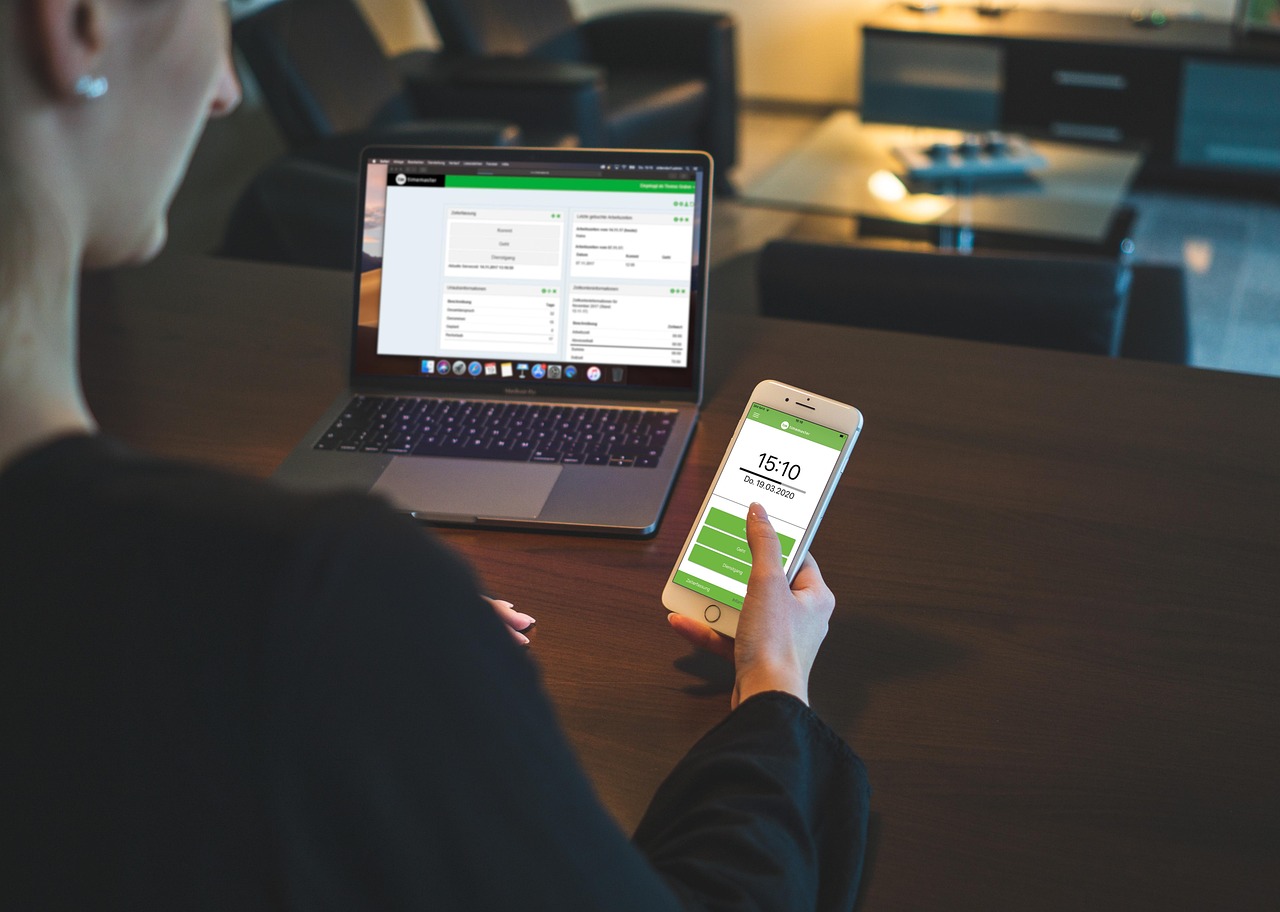
Physical wellness at your desk supports daily success just as much as powerful software tools. When you eliminate optical strain through thoughtful ergonomics and reliable protective eyewear, you protect your health while producing your best work. Treating visual protection as an investment in your career endurance makes every workday feel far more energized.
