Corporate gatherings often fall into the trap of predictable schedules and disengaged audiences. When your team travels for annual corporate retreats or business conferences, passive listening rarely generates meaningful momentum or long-term alignment.
Shifting toward highly interactive programming transforms these traditional gatherings into high-value investments. Rethinking how your company designs events lets you transform quiet audience members into active participants who build lasting professional connections.
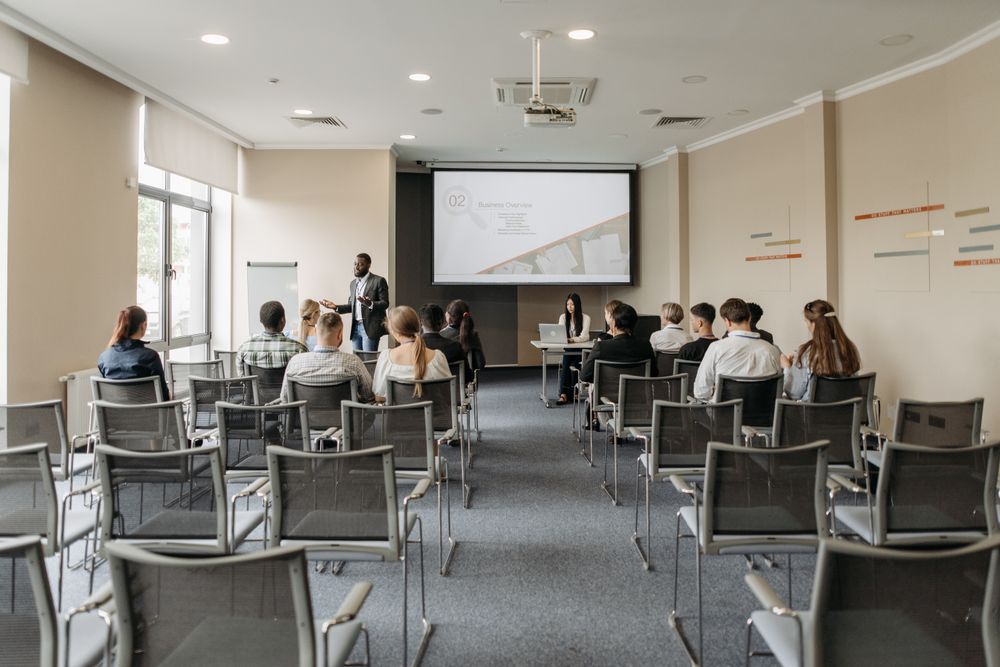
Designing interactive conference schedules
Static PowerPoint presentations and back-to-back lectures exhaust attendees long before the end of the day. Modern corporate gathering design prioritizes active engagement, replacing passive listening with immersive formats that keep participants fully involved.
Integrating gamified workshops, sensory-driven activities, and structured peer breakout discussions keeps energy high throughout the entire agenda. Giving attendees continuous opportunities to collaborate transforms the retreat experience from a passive obligation into an active team-building exercise.
When planning high-impact corporate gatherings, many organizations choose to book a keynote speaker who can set an energetic tone and seamlessly frame the strategic goals of the event. Aligning high-level leadership objectives with memorable stage experiences helps participants connect daily retreat activities to the broader corporate vision.
How physical environments shape team engagement
The physical layout of your venue directly impacts how attendees interact with your content and each other. Moving away from standard theater-style seating creates room for spontaneous conversations and group problem-solving sessions.
- Incorporate wellness touchpoints: Dedicated quiet spaces, digital detox hours, and nature walks help prevent cognitive overload during dense agendas.
- Vary room configurations: Swapping traditional rows for circular tables or relaxed lounge seating encourages open dialogue and peer-to-peer collaboration.
- Integrate active breaks: Brief movement sessions or outdoor group challenges keep physical energy balanced between technical presentations.
What role do professional facilitators play in driving audience participation?
A successful corporate retreat requires clear structure and skilled moderation to maintain momentum. Professional facilitators manage the audience flow, guide group dynamics, and ensure every voice has space to contribute during open discussions.
Rather than letting presentations run over schedule, experienced moderators adjust the pace in real time to match the room energy. They bridge the gap between main-stage topics and audience reactions, drawing out valuable insights from quieter participants who might otherwise stay silent.
Research from vFairs shows that 92% of event attendees prefer interactive experiences over traditional presentations, with 67% specifically favoring sessions that feature live Q&A functions. Implementing interactive audience technology under the guidance of a trained moderator directly satisfies this preference, creating a collaborative environment where attendees feel heard.
Navigating real-time audience feedback
Live polling, anonymous Q&A tools, and instant workshop voting keep participants actively involved during main-stage presentations. Facilitators use these tools to gauge comprehension, adapt session topics on the fly, and tackle pressing organizational questions directly.
This real-time responsiveness changes the tone of corporate gatherings from a one-way broadcast to a transparent dialogue. Employees leave sessions feeling that their feedback actively shapes company direction rather than sitting on the sidelines.
Sourcing guest presenters with proven domain authority
Bringing external experts into your corporate retreat introduces fresh perspectives that challenge internal assumptions. External subject matter experts validate key business strategies while offering practical industry frameworks that your team can apply immediately.
Selecting presenters with real-world experience ensures the content remains grounded in actionable practice rather than abstract theory. Credible industry leaders command attention, raising the perceived value of the retreat for participants across all career levels.
Balancing expert insight with holistic well-being
Top-tier enterprise events balance rigorous strategic content with personal development and well-being. Modern retreat agendas combine deep technical industry insights with sessions focused on sustainable work habits, leadership mindset, and team resilience.
According to workplace research from Arch Amenity Group, modern wellness programming in corporate environments increasingly incorporates mindfulness sessions, nature immersion, energy-supporting menus, and on-site well-being coaches. Blending professional skill development with personal well-being ensures your team returns from the retreat energized rather than burned out.
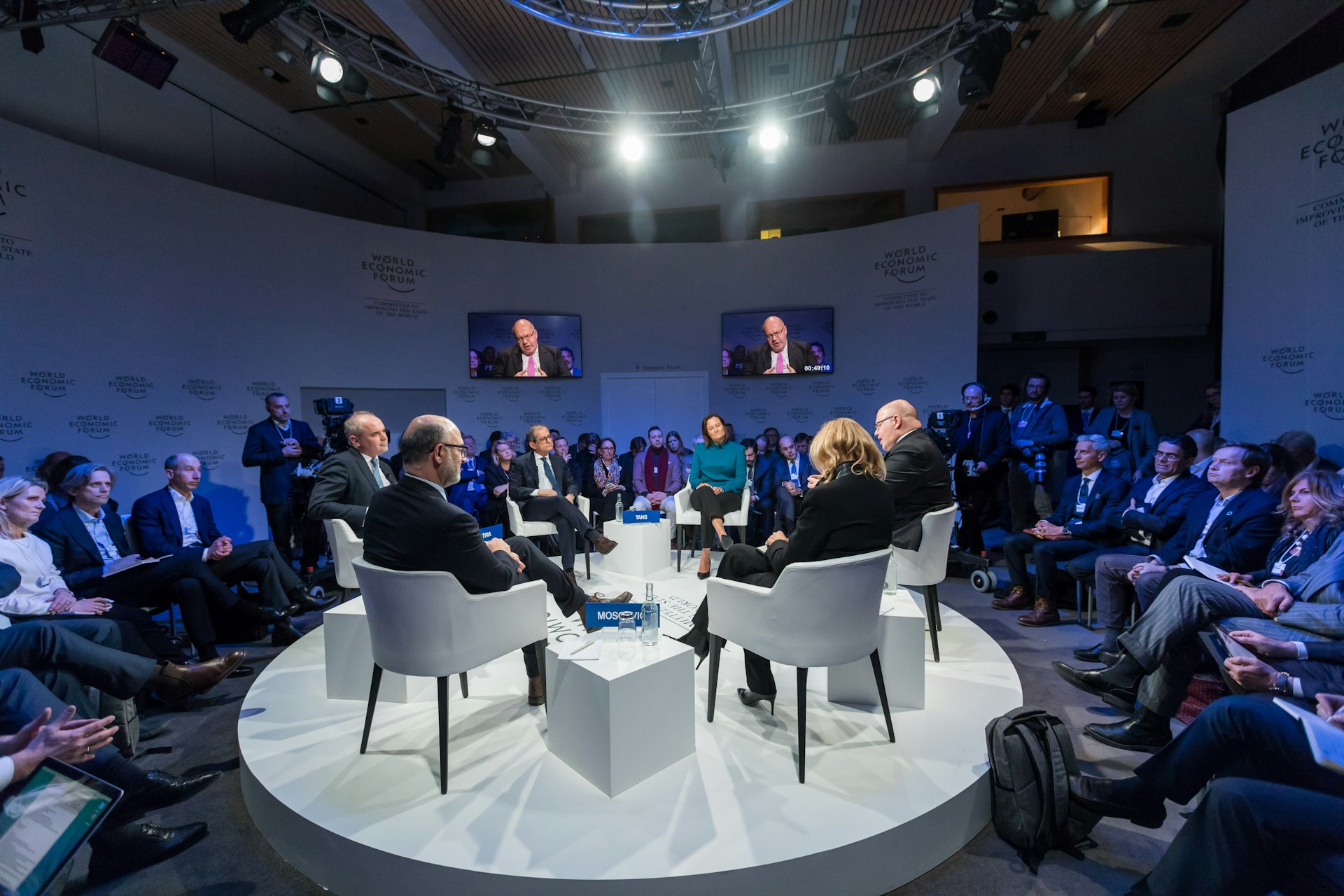
Building stronger connections through purposeful networking
Corporate retreats should create opportunities for employees to connect beyond their usual teams and departments. Structured networking activities can encourage meaningful conversations that may not happen during formal presentations or everyday office interactions.
Instead of relying on unplanned socializing, organizers can introduce facilitated networking rounds, peer discussions, and cross-functional challenges. These formats give attendees a clear reason to interact while making it easier for less outgoing participants to get involved.
When networking becomes part of the event strategy, relationships formed during the retreat can translate into stronger collaboration back in the workplace. Employees return with new connections across the organization and a better understanding of different teams and perspectives.
Structuring your upcoming corporate retreats around interactive schedules, expert facilitation, and credible domain authorities builds a dynamic environment that drives genuine engagement. Investing in purposeful stage experiences creates lasting team cohesion long after the retreat concludes.
