Understanding Key Health and Wellness Topics
To truly empower ourselves and our loved ones, a foundational understanding of key health and wellness topics is essential. This knowledge allows us to better interpret our bodies’ signals, make informed decisions, and proactively manage our mental well-being. We delve into common conditions and the importance of preventive measures that can significantly impact our health trajectory.
Learning about prevalent chronic conditions such as diabetes and cancer, for instance, provides invaluable insight. Diabetes, affecting millions globally, involves the body’s inability to regulate blood sugar effectively. Understanding its early symptoms—like increased thirst, frequent urination, unexplained weight loss, or blurred vision—and risk factors, such as family history, obesity, and physical inactivity, can lead to earlier diagnosis and intervention. Similarly, awareness of cancer’s diverse forms, common symptoms (e.g., persistent fatigue, unexplained lumps, changes in bowel habits), and risk factors (genetics, lifestyle, environmental exposures) can encourage timely screenings and medical consultation.

Diagnostic testing plays a crucial role in both identifying and managing these conditions. Regular lipid panels help monitor cholesterol levels, a key indicator for cardiovascular health. Hemoglobin A1c tests provide a long-term view of blood sugar control for those at risk of or living with diabetes. Thyroid function tests are vital for detecting imbalances that can affect metabolism, energy levels, and mood. Beyond these, advanced approaches like those focusing on cellular optimization, such as a regenerative health amino acid IV, are emerging as complementary strategies within a broader wellness plan, aiming to support the body’s natural healing processes and overall vitality.
A multidisciplinary approach, integrating various medical specialties and wellness practices, offers the most comprehensive care. Whether seeking specialized care in Northern Chicago or other regions, connecting with a network of experts—including primary care physicians, specialists, nutritionists, and mental health professionals—ensures all facets of health are addressed.
Recognizing Symptoms and Risk Factors
Understanding the subtle cues our bodies provide is a cornerstone of proactive health management. Conditions like cardiovascular disease, high blood pressure, and stroke often develop gradually, making early recognition of warning signs critical. High blood pressure, often dubbed the “silent killer,” frequently presents without noticeable symptoms, underscoring the importance of regular blood pressure checks. However, severe cases might manifest as headaches, shortness of breath, or nosebleeds.
For cardiovascular disease, symptoms can include chest pain (angina), shortness of breath, or pain in the neck, jaw, throat, upper abdomen, or back. Stroke warning signs are typically sudden and include facial drooping, arm weakness, and speech difficulty—often remembered by the acronym FAST. Recognizing these signs promptly can be life-saving.
Beyond symptom awareness, identifying and mitigating risk factors is paramount. Lifestyle adjustments, such as adopting a heart-healthy diet, engaging in regular physical activity, maintaining a healthy weight, and avoiding smoking, can significantly reduce the likelihood of developing these conditions. Clinical evaluations, including physical exams, blood tests, and imaging, help healthcare providers assess individual risk and guide personalized prevention strategies. Residents in areas like Niles, IL, can benefit from local healthcare resources that offer screenings and educational programs tailored to community health needs.
The Role of Preventive Care and Yearly Doctor Visits
Preventive care is not merely about treating illness; it’s about maintaining wellness and preventing health issues before they arise. Yearly doctor visits are a cornerstone of this approach, offering an invaluable opportunity for comprehensive health assessment. These annual check-ups allow healthcare providers to monitor changes in your health over time, update vaccinations, conduct routine screenings, and discuss any emerging concerns.
To maximize the benefit of these visits, preparation is key. We encourage patient advocacy by compiling a detailed medical history, including past illnesses, surgeries, medications, and family health history. Preparing a list of questions or concerns you wish to discuss—from persistent symptoms to lifestyle choices—ensures all your needs are addressed.
Diagnostic screenings, such as mammograms, colonoscopies, and bone density tests, are often recommended based on age, gender, and risk factors. These screenings are vital for detecting diseases early, when treatment is often most effective. Furthermore, consistent health tracking—whether through personal journals, wearable devices, or health apps—can provide valuable data points for your doctor, helping them gain a clearer picture of your daily habits and overall health trends. For those in communities like Skokie, IL, clinical support and preventive health programs are often readily available, offering accessible pathways to maintaining long-term health.
Evidence-Based Nutrition and Fitness Strategies
Our daily choices in nutrition and physical activity are powerful determinants of our overall health and longevity. Adopting evidence-based strategies in these areas can lead to profound improvements in energy levels, mood, and disease prevention.
When it comes to nutrition, the focus shifts from restrictive diets to sustainable, mindful eating practices. Balancing calories involves consuming an appropriate amount of energy to meet your body’s needs without over- or under-eating. Mindful eating encourages paying attention to hunger and fullness cues, savoring meals, and understanding the emotional aspects of eating. Incorporating anti-inflammatory foods, such as leafy greens, berries, fatty fish, and nuts, can help reduce chronic inflammation, a known contributor to many diseases. Prebiotics, found in foods like garlic, onions, bananas, and oats, feed beneficial gut bacteria, promoting a healthy gut microbiome crucial for digestion and immunity. Adequate hydration is also fundamental, impacting everything from cognitive function to skin health.

Understanding macronutrients (carbohydrates, proteins, fats) and micronutrients (vitamins, minerals) ensures a well-rounded diet. Vitamin D, vital for bone health and immune function, can be obtained through diet, supplements, and sunlight exposure. However, excessive or unprotected sun exposure carries risks, so a balanced approach is necessary.
Beyond diet, sleep hygiene and understanding your circadian rhythm are critical. Consistent sleep schedules, a comfortable sleep environment, and avoiding screens before bed can significantly improve sleep quality, which in turn impacts metabolism, hormone regulation, and cognitive performance.
Achieving Fitness Goals Through Structured Movement
Physical activity is a non-negotiable component of a healthy lifestyle, and achieving fitness goals often benefits from a structured approach. Walking workouts, accessible to most, offer a fantastic starting point for cardiovascular health. Incorporating varied terrains or intervals can elevate their effectiveness. Strength training, using weights, resistance bands, or bodyweight, is crucial for building and maintaining muscle mass, bone density, and metabolic rate.
For those seeking more intensity, high-intensity interval training (HIIT) involves short bursts of intense exercise followed by brief recovery periods, effectively boosting cardiovascular fitness and calorie expenditure in less time. Low-impact exercises, such as swimming, cycling, or elliptical training, are excellent for joint health while still providing a robust workout.
Flexibility and balance are often overlooked but equally important. Yoga, for example, combines physical postures, breathing exercises, and meditation to improve flexibility, strength, balance, and mental well-being. Proprioception, our body’s sense of its position and movement, can be enhanced through exercises that challenge balance, reducing the risk of falls. Maintaining good joint stability through targeted exercises is also vital for preventing injuries and supporting overall mobility. For individuals in areas like Glenview, IL, access to physical therapy services can provide tailored exercise programs and guidance for achieving these diverse fitness goals safely and effectively.
Dietary Approaches for Long-Term Vitality
Sustainable dietary approaches are key to long-term vitality, moving beyond temporary fixes to embrace enduring habits. The DASH (Dietary Approaches to Stop Hypertension) diet, for instance, is a well-researched eating plan proven to lower blood pressure and reduce the risk of heart disease, emphasizing fruits, vegetables, whole grains, and lean proteins while limiting sodium, saturated fats, and added sugars.
Incorporating plant-based proteins from sources like legumes, tofu, nuts, and seeds is beneficial for heart health, gut health, and often provides a rich array of fiber and micronutrients. Healthy fats, particularly monounsaturated and polyunsaturated fats found in avocados, olive oil, and fatty fish, are crucial for brain function, hormone production, and nutrient absorption. Choosing the healthiest type of olive oil, such as extra virgin, ensures maximum antioxidant benefits.
Strategic nutrient pairing can also enhance absorption and efficacy; for example, consuming vitamin C-rich foods with iron sources improves iron absorption. Monitoring metabolic health through tools like continuous glucose monitoring (CGM) can offer personalized insights into how different foods affect an individual’s blood sugar, allowing for more precise dietary adjustments. For specialized guidance, nutritional counseling services, available in places like Park Ridge, IL, can help individuals develop personalized eating plans tailored to their specific health needs and goals.
Comprehensive Pain Management and Spinal Health

Chronic pain is a pervasive issue, affecting nearly 50 million American adults. It can significantly diminish quality of life, impacting daily activities, mental health, and overall well-being. Addressing pain effectively requires a comprehensive approach that considers not only the symptoms but also the underlying causes and contributing factors.
Central to this is understanding spinal health. The spine is the central pillar of our body, housing the nervous system that communicates with every organ and tissue. Proper spinal alignment and nervous system integrity are paramount for optimal health. Daily habits, such as prolonged sitting, poor posture, and repetitive movements, can lead to spinal misalignments (subluxations) that impede nerve communication, contributing to pain and dysfunction. Ergonomic adjustments at work and home, along with conscious attention to posture, can play a significant role in prevention.
When pain arises, physical therapy offers structured exercises and techniques to restore function, reduce pain, and prevent recurrence. Chiropractic care focuses on spinal adjustments to correct misalignments, aiming to improve nervous system function and the body’s innate healing capabilities. In areas like Morton Grove, IL, a range of wellness services often includes these foundational therapies, emphasizing non-invasive approaches to pain relief and long-term spinal health.
Interventional and Regenerative Medicine
For more persistent or severe pain, interventional and regenerative medicine offer advanced solutions. Regenerative therapies, such as platelet-rich plasma (PRP) injections, utilize a patient’s own concentrated platelets to accelerate healing in damaged tissues like tendons, ligaments, and joints. Adipose stem cells and bone marrow concentrate therapy involve harvesting stem cells from the patient’s fat or bone marrow and reinjecting them into injured areas to promote tissue repair and regeneration. These treatments leverage the body’s natural healing mechanisms, offering alternatives or complements to surgery.
Viscosupplementation, which involves injecting hyaluronic acid gel into arthritic joints, can lubricate the joint and reduce pain, often delaying the need for joint replacement surgery. Joint injections, including corticosteroids, can provide targeted relief for localized pain and inflammation.
Interventional pain procedures offer precise pain relief by targeting specific nerves or spinal structures. Epidural steroid injections deliver anti-inflammatory medication directly to the spinal canal to reduce nerve root irritation. Radiofrequency ablation uses heat to temporarily disable nerves that transmit pain signals, providing longer-lasting relief for conditions like facet joint pain. Spinal cord stimulation involves implanting a device that sends mild electrical impulses to the spinal cord, masking pain signals before they reach the brain, and is often considered for complex chronic pain conditions. For those seeking specialized expertise, pain specialists in places like Des Plaines, IL, often provide a full spectrum of these advanced treatments.
Chiropractic Treatment as Part of a Health and Wellness Plan
Chiropractic care is often viewed as a reactive treatment for back or neck pain, but its true value lies in its role as a proactive component of a comprehensive health and wellness plan. The philosophy behind chiropractic treatment centers on the body’s inherent ability to heal itself, provided the nervous system is functioning optimally. Spinal adjustments, performed by a licensed chiropractor, aim to correct subluxations—misalignments of the vertebrae—that can interfere with nerve communication.
Even when we don’t feel “sick,” daily stressors, poor posture, and minor injuries can create these subtle misalignments, slowly impacting our health over time. Regular gentle adjustments help maintain nervous system integrity, ensuring that messages between the brain and the rest of the body are transmitted without interference. This preventative spinal care can lead to numerous benefits, including reduced muscle tension, improved mobility, increased energy levels, and even a reduced frequency of illness.
Chiropractic care is a non-invasive therapy that complements other wellness practices. It can be particularly effective in managing and preventing tension relief associated with chronic stress. For individuals in Mount Prospect, IL, and surrounding areas, exploring local chiropractic clinics can be a valuable step towards integrating this proactive approach into their overall health strategy, fostering long-term spinal health and well-being.
Mental Health Support and Caregiver Resources
Our mental well-being is as crucial as our physical health, deeply intertwined and mutually influential. Effective stress management and coping strategies are vital in navigating the complexities of modern life. Chronic stress can manifest physically, contributing to issues like high blood pressure, sleep disturbances, and weakened immunity. Learning to reduce anxiety through various techniques can significantly improve our quality of life.
Breathing exercises, such as diaphragmatic breathing or box breathing, offer immediate relief by activating the parasympathetic nervous system, promoting relaxation. Meditation practices, even for a few minutes daily, can cultivate mindfulness, reduce rumination, and enhance emotional regulation. Developing self-compassion, treating ourselves with the same kindness and understanding we would offer a friend, fosters emotional resilience and reduces self-criticism.
Cultivating strong social connections is also a powerful determinant of longevity and mental health, providing support systems and reducing feelings of isolation. Resources focusing on mental health and wellness often highlight the importance of these connections and offer guidance on building a supportive network. Embracing these strategies helps us build a robust internal framework to face challenges with greater equanimity.
Navigating Caregiver Support and Family Health
Caring for a loved one, whether a child, an elderly parent, or a family member with a chronic illness, is a profound act of love but can also be incredibly demanding. Caregiver burnout is a serious concern, characterized by emotional, physical, and mental exhaustion. Recognizing the signs—such as fatigue, irritability, social withdrawal, and feelings of hopelessness—is the first step toward seeking help.
Respite resources, offering temporary relief for caregivers, are essential for preventing burnout. These can range from adult day care services to in-home support, allowing caregivers time to rest and recharge. Family health guidance, including pediatric wellness for children and specialized senior care for older adults, ensures that all family members receive appropriate attention. Community resource directories can be invaluable in locating local support groups, financial assistance, and specialized services. Furthermore, engaging in life care planning, which involves making decisions about future medical care and end-of-life wishes, can alleviate stress for both the care recipient and their family, ensuring wishes are respected and burdens are shared.
Accessing Clinical Support and Wellness Programs
Beyond individual coping mechanisms, accessing professional clinical support and structured wellness programs can provide significant benefits. Behavioral health services, including therapy and counseling, offer a safe space to explore mental health challenges, develop coping skills, and address underlying issues. Many self-care applications now provide guided meditations, mood tracking, and cognitive behavioral therapy (CBT) exercises, making mental health support more accessible.
Health coaching offers personalized guidance on setting and achieving wellness goals, whether related to stress reduction, nutrition, or physical activity. Support groups provide a community where individuals facing similar challenges can share experiences, offer encouragement, and reduce feelings of isolation. Major insurers like UnitedHealthcare and Kaiser Permanente often provide a range of insurance-supported wellness tools and programs, including mental health resources, rewards programs for healthy behaviors, and clinical support services. For residents in Chicago, IL, and surrounding areas, exploring local community health programs can uncover a wealth of resources designed to support overall well-being.
Frequently Asked Questions About Health and Wellness
As we navigate our health journeys, common questions often arise. Here, we address some key inquiries, drawing on evidence-based insights to provide clarity and guidance.
What are the most effective ways to manage chronic joint pain without surgery?
Managing chronic joint pain without surgery often involves a multi-faceted approach. Physical therapy is a cornerstone, focusing on strengthening surrounding muscles, improving flexibility, and restoring joint function. Chiropractic care can help ensure proper spinal alignment, which impacts overall body mechanics and can alleviate referred pain. Regenerative medicine techniques, such as PRP injections or adipose stem cell therapy, may be considered to promote natural healing and reduce inflammation. Interventional pain procedures like joint injections with corticosteroids or viscosupplementation can provide targeted relief. Lifestyle modifications, including maintaining a healthy weight, engaging in low-impact exercises, and adopting an anti-inflammatory diet, also play a crucial role in long-term pain management.
How do hormonal changes during perimenopause affect the immune system and allergies?
Hormonal fluctuations during perimenopause can indeed have a significant impact on the immune system and may trigger new allergies or exacerbate existing ones. Estrogen, progesterone, and other hormones play a role in regulating immune responses. As estrogen levels decline and fluctuate, it can affect histamine regulation in the body. Histamine is a chemical involved in allergic reactions and immune responses. Changes in its balance can lead to increased sensitivity to allergens, manifesting as new or worsened symptoms like seasonal allergies, skin rashes, or even food sensitivities. Understanding these hormonal shifts is vital for managing symptoms and seeking appropriate medical advice.
Why is a multidisciplinary approach crucial for long-term health and wellness?
A multidisciplinary approach is crucial for long-term health and wellness because the human body is a complex, interconnected system. No single specialist or treatment can address all aspects of health. Integrating insights from various fields—such as primary care, nutrition, physical therapy, mental health, and specialized medicine—ensures that all contributing factors to health and illness are considered. This collaborative care model leads to more holistic assessments, comprehensive treatment plans, and better long-term outcomes. For example, managing diabetes might involve an endocrinologist, a nutritionist, a fitness trainer, and a mental health professional, all working together to support the patient’s physical and emotional well-being. This integrated strategy empowers individuals to achieve and maintain optimal health across their lifespan.
Conclusion
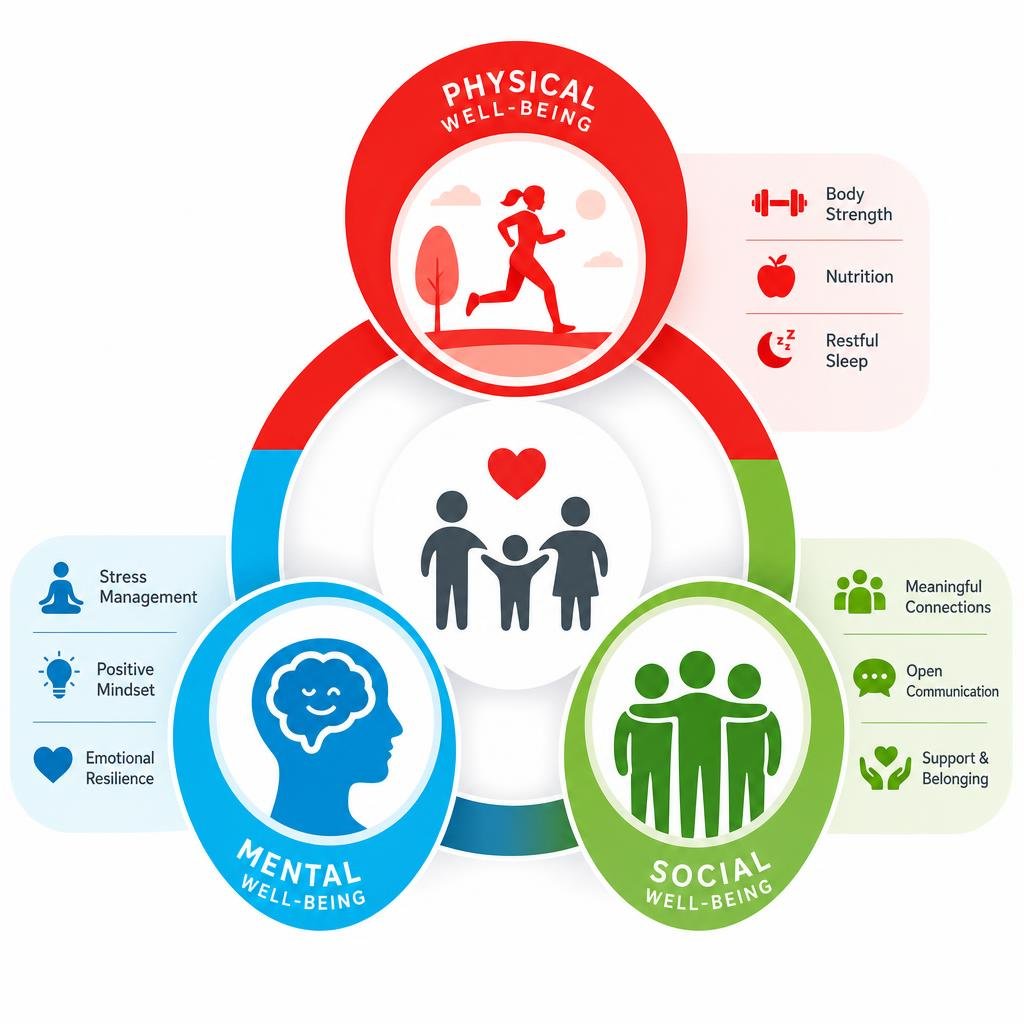
Embarking on a journey toward holistic well-being is a continuous process of learning, adapting, and proactive engagement with our health. By understanding key health topics, recognizing symptoms and risk factors, and prioritizing preventive care, we lay a strong foundation for a healthier life. Our exploration of evidence-based nutrition and fitness strategies provides practical pathways to energize our bodies and minds, while comprehensive pain management and spinal health insights offer avenues for relief and sustained mobility.
Equally important is nurturing our mental health and supporting caregivers, ensuring that emotional well-being is given the attention it deserves. Accessing clinical support and leveraging available wellness programs empowers us to build resilient health habits. We encourage everyone to embrace personalized treatment plans, seek professional medical evaluation when needed, and actively engage with the wealth of resources available, whether through local Northern Chicago healthcare access or broader digital platforms. By taking these steps, we can collectively move towards a future of enhanced vitality and comprehensive well-being.

Build a dynasty that lasts for generations https://thebustlingworld.surge.sh
Live a thousand lives in one game https://thebustlingworld.surge.sh
While this blockchain security sounds great for Filipino players using GCash, I remain wary of any platform promising total asset protection. Before you dive into those fishing tournaments or sports wagers, read my recent analysis at jl36 club to see if the risks are truly as low as they claim.