A wedding film feels most meaningful when it captures the pace, laughter, nerves, and quiet connection of the day as it actually unfolds. That is why couples working with a story-focused filmmaker such as Adam Gorham benefit from a wedding day timeline that allows for genuine interactions rather than rushing from one formal event to the next.
The goal is not to schedule every breath. It is to give the day a clear structure while leaving enough flexibility for a parent’s emotional reaction, a private laugh with your partner, an unexpected delay, or five peaceful minutes alone before the celebration begins.
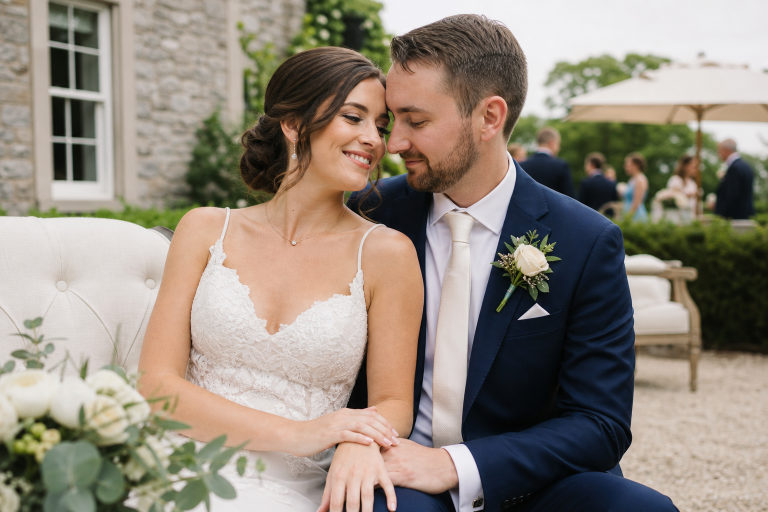
Why a Natural Timeline Matters
A packed schedule can make even a beautifully planned wedding feel tense. When hair and makeup run late, traffic slows the wedding party, or family portraits take longer than expected, a timeline with no margin forces couples to sacrifice the moments they hoped to enjoy. Built in space, and the day can absorb small changes without feeling derailed.
Think of the timeline as a flexible guide, not a strict script. It should protect the fixed moments, such as the ceremony and reception end times, while allowing people to be human in between.
Start With the Fixed Moments
Begin with the events that cannot easily move: venue access, ceremony start time, dinner service, reception end time, and any required departure time. Then work backward to map getting ready, travel, portraits, vendor arrivals, and setup.
- Confirm when each location is available and when it must be cleared.
- Reserve time for meals, hydration, restroom breaks, and touch-ups.
- Use actual travel estimates, then add time for parking, elevators, shuttles, and walking.
- Keep a short pre-ceremony buffer so neither partner arrives flustered.
Build in Buffer Time
Small delays become major problems only when every block is packed tightly together. Add 10 to 15 minutes around transitions, and more when moving a large group or traveling between locations. Allow extra time to bustle a dress, adjust a veil, gather relatives, and load personal items into transportation.
Protect at least one open block during the reception as well. It can become a private couple break, a chance for sunset portraits, or simply time to visit guests without missing another formal announcement.
Plan the Getting-Ready Period
Getting ready is more than a series of beauty appointments. It is often where letters are read, family members offer support, and anticipation builds. Have the video team arrive early enough to capture meaningful details, including invitations, rings, heirlooms, florals, and handwritten notes.
- Keep one corner of the room tidy for details and dressing footage.
- Schedule hair and makeup to finish before everyone needs to get dressed.
- Give each partner enough time to dress without an audience rushing them.
- Let natural conversation happen rather than staging every interaction.
Choose Between a First Look and an Aisle Reveal
First Look
A first look creates a private moment before the ceremony and can move the couple and wedding-party portraits earlier in the day. This often gives you more time at cocktail hour and a calmer pace before guests arrive.
Aisle Reveal
An aisle reveal preserves the tradition of seeing one another for the first time during the ceremony. It can be deeply emotional, but it usually requires more portraits afterward. If the cocktail hour is short, plan carefully so that family photos and couple portraits don’t feel rushed.
Make Portraits Feel Less Staged
Instead of assigning one long portrait session, use shorter blocks throughout the day. Complete immediate-family photos after the ceremony, take wedding-party photos before or after the first look, and step away with your partner for 10 to 15 minutes near sunset.
- Create a concise list of must-have family combinations in advance.
- Ask one organized relative to gather the next group.
- Use prompts such as walking together, sharing a memory, or taking a quiet pause.
- Leave room for candid moments between the posed images.
Use Light and Audio as Planning Tools
Check sunrise and sunset for your wedding date, especially if outdoor scenery is important. The softer, warmer light near sunrise and sunset is often called golden hour, but its timing varies by location and season. Plan an indoor option for harsh midday sun, rain, or early darkness, and ask the venue how window direction, candles, uplighting, and colored dance lights will affect the room.
Audio deserves the same early attention. Confirm microphone placement with the officiant, share the ceremony order with the video and DJ teams, and clarify readings, personal vows, music cues, and cultural traditions. For an outdoor ceremony, prepare for wind and changing weather. If storms are possible, review practical lightning safety guidance and establish a clear indoor backup plan with the venue.
Keep the Reception Flowing
A reception works best when formalities feel connected rather than scattered all evening. A practical sequence is guest seating, entrance, welcome, first dance, dinner, toasts, parent dances or traditions, dessert, open dancing, and a final exit. Group-related formalities together when possible, then set aside long stretches for eating, conversation, and dancing.
Plan for Travel and Multiple Locations
Moving between a hotel, ceremony site, portrait location, and reception venue can quietly consume the day. Confirm who rides where, share addresses and key contacts with every vendor, and account for loading equipment, finding parking, and gathering the wedding party. If an extra location costs an hour of celebration time, decide whether it is truly worth the tradeoff. Always choose a weather backup for portraits.
Create a Shared Vendor Timeline
Send one final version to the couple, planner, venue coordinator, photographer, videographer, caterer, DJ or band, hair and makeup team, and transportation provider several days before the wedding. Include vendor arrival times, key contacts, addresses, photo blocks, ceremony cues, meal timing, and reception formalities. Review major changes during the rehearsal or final vendor meeting.
Common Wedding Day Timeline Mistakes to Avoid
- Scheduling every minute with no buffer.
- Underestimating family photo time or travel between locations.
- Forgetting meals, hydration, and a private couple break.
- Planning outdoor portraits without an indoor alternative.
- Giving every vendor the same schedule despite different arrival times.
- Adding so many reception traditions that open dancing never gets started.
A Sample Camera-Friendly Wedding Day Timeline
- 12:00 p.m.: Hair and makeup continue.
- 1:30 p.m.: Details, letters, and preparation footage.
- 2:30 p.m.: Wedding party gets dressed.
- 3:30 p.m.: First look or private pre-ceremony moment.
- 4:00 p.m.: Couple and wedding-party portraits.
- 5:00 p.m.: Ceremony.
- 5:30 p.m.: Family photos and cocktail hour.
- 6:30 p.m.: Reception entrance and dinner.
- 7:45 p.m.: Toasts and formal dances.
- 8:15 p.m.: Golden-hour portraits or a private break.
- 8:30 p.m.: Open dancing.
- 10:30 p.m.: Final exit or closing celebration.
Final Checklist
- Confirm fixed venue times, travel routes, and access rules.
- Choose a first look or aisle reveal based on what feels right for you.
- Schedule portraits, sunset time, meals, and a quiet moment together.
- Confirm weather, lighting, and audio backup plans.
- Share the final timeline with every key vendor.
- Leave room for the unexpected.
A wedding day timeline should give the day shape without taking away its feeling. When it includes realistic transitions, thoughtful portrait windows, and room to pause, you can stay connected to each other while the celebration unfolds naturally on camera.
