Recognizing an Emergency HVAC and Plumbing Crisis
When our home’s essential systems falter, it can be more than just an inconvenience; it can pose significant risks to our property and well-being. Understanding when a problem crosses the line from a minor issue to an emergency HVAC crisis is crucial for homeowners in Sandy, UT. Ignoring critical signs can lead to extensive property damage, escalate repair costs, and even create health hazards. An immediate response, often involving specialized system diagnostics from a qualified professional, is paramount in these situations.
What Qualifies as Emergency HVAC and Plumbing?
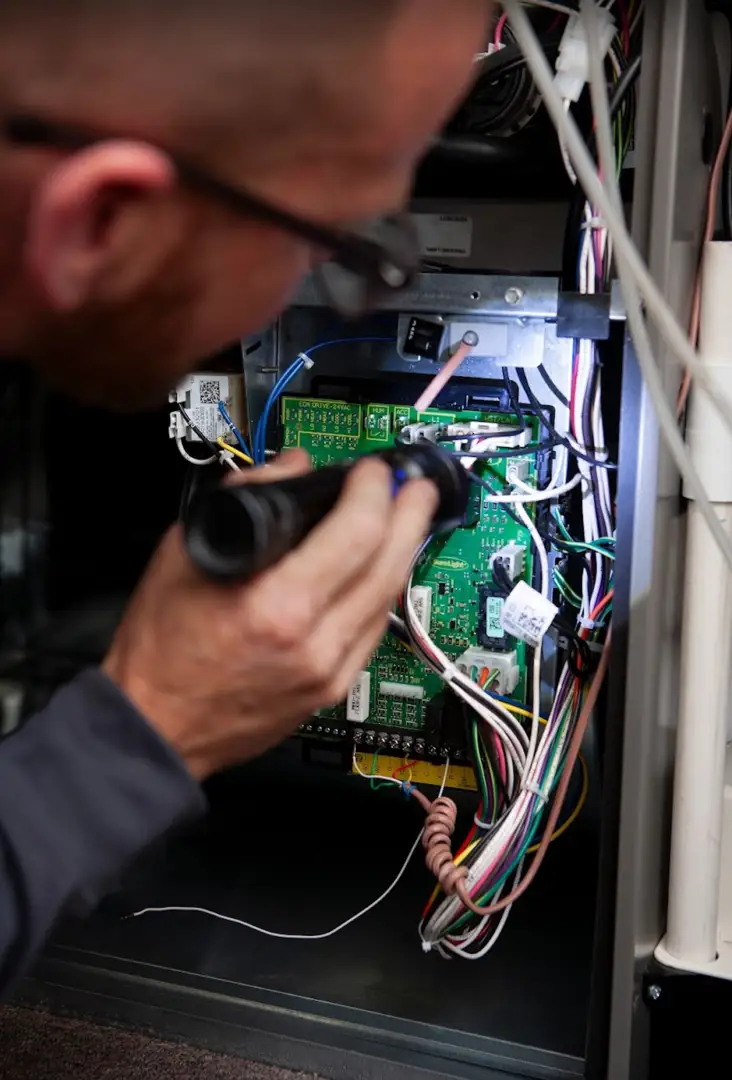
An HVAC or plumbing emergency typically involves situations that threaten our safety, health, or the structural integrity of our home. For instance, a burst pipe can quickly lead to widespread flooding, compromising foundations and fostering mold growth. Similarly, a suspected gas leak from a furnace or water heater demands immediate evacuation and professional attention due to the risk of explosion or carbon monoxide poisoning. Complete system failure, especially during extreme weather—such as an air conditioner dying in the peak of a Sandy summer or a furnace failing during a winter freeze—also constitutes an emergency, as it directly impacts our comfort and safety. Carbon monoxide, an odorless and colorless gas, is a silent killer, making any indication of its presence an urgent matter.
The Risks of Delaying Urgent Repairs
Delaying urgent repairs can have severe and lasting consequences. A small leak can quickly turn into a major flood, leading to extensive water damage, mold growth, and compromised structural integrity. Electrical hazards can arise when water comes into contact with wiring, creating dangerous conditions. For HVAC systems, ignoring critical issues like a failing furnace or AC can not only leave us without essential heating or cooling but also exacerbate the problem, leading to more costly repairs or even complete system replacement. Poor indoor air quality, stemming from issues like mold or malfunctioning ventilation, can also lead to respiratory problems and other health concerns for our families.
Critical Heating and Cooling Failures
Sandy, UT, experiences significant temperature swings, from scorching summer days to freezing winter nights. These extreme conditions place immense stress on our heating and cooling systems, making their reliable operation non-negotiable for comfort and safety. When these systems fail, the consequences can range from discomfort to serious health risks like heat stroke or hypothermia, particularly for vulnerable populations. Prompt attention to these critical failures can significantly impact a system’s lifespan and prevent further damage.
Air Conditioning Failures in Extreme Heat
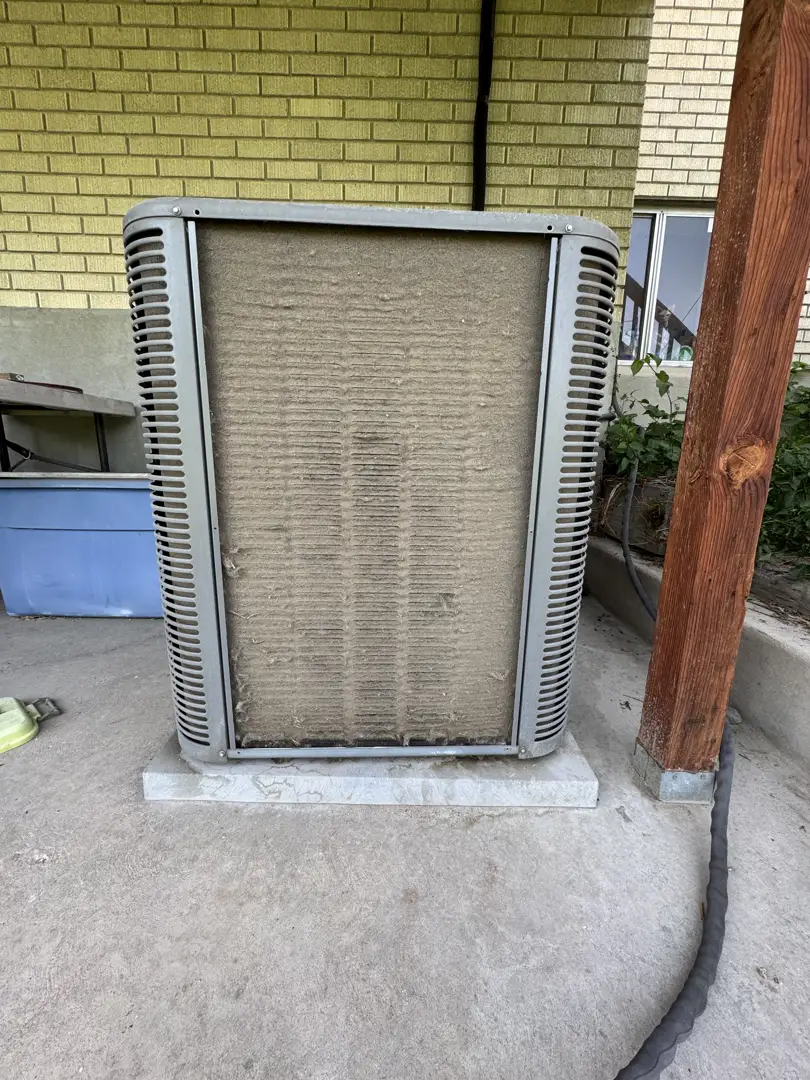
During Sandy’s hot summers, a malfunctioning air conditioner isn’t just uncomfortable—it can be dangerous. Common emergency AC issues include refrigerant leaks, which reduce cooling capacity and can be harmful if inhaled. A complete compressor failure means the heart of the AC system has stopped, leading to no cool air whatsoever. Frozen coils, often a symptom of restricted airflow or low refrigerant, prevent the system from absorbing heat effectively, causing it to work harder and eventually break down. Sandy’s high altitude can also impact AC performance, as systems may need to work harder to achieve desired temperatures, making regular maintenance even more critical. When faced with these critical issues, understanding how to address them, or when to call for emergency heating and cooling repairs, is vital for maintaining home comfort and safety. Prompt action not only restores comfort but also prevents minor issues from cascading into catastrophic system failures that require complete replacement.
Heating Failures During Winter Freezes
As winter descends upon Sandy, a reliable heating system is essential. Heating emergencies can include a cracked heat exchanger in a furnace, which is a serious safety concern as it can allow carbon monoxide to leak into our homes. A furnace that is short-cycling—turning on and off frequently without adequately heating—indicates a problem that needs immediate diagnosis to prevent further damage and ensure consistent warmth. Pilot light issues, while sometimes a simple fix, can also signal a more complex problem, especially if the light repeatedly goes out or won’t ignite. For homes with boilers, malfunctions can lead to a complete loss of heat, requiring urgent professional intervention. Given the harshness of Utah winters, any significant heating failure is an emergency. Homeowners should also be aware of the signs of a failing thermostat, which can cause erratic heating behavior and leave a home vulnerable to freezing temperatures.
Urgent Plumbing Issues That Cannot Wait
Plumbing problems can escalate rapidly, turning a minor drip into a destructive flood in a matter of minutes. Water damage is insidious, affecting not only visible surfaces but also hidden structural elements, leading to costly repairs and potential health hazards. Knowing how to react, including locating our main shutoff valve, is critical. Beyond simple leaks, issues like sewer backups can introduce biohazards into our living spaces, demanding immediate professional attention.
Burst Pipes and Severe Water Leaks
A burst pipe is arguably one of the most destructive plumbing emergencies. It can release gallons of water per minute, leading to rapid flooding that can saturate insulation, damage drywall, flooring, and furniture, and compromise our home’s structural integrity. The sudden drop in water pressure throughout our home can be a tell-tale sign of a severe leak. While older homes are more susceptible due to pipe corrosion and degradation, even newer homes can experience burst pipes due to extreme temperature fluctuations or manufacturing defects. Immediate action, including shutting off the main water supply, is crucial to mitigate damage.
Sewer Line Backups and Clogged Drains
Few household issues are as unpleasant and potentially hazardous as a sewer line backup. This occurs when wastewater from our home cannot drain properly and begins to back up into sinks, tubs, and toilets. This situation introduces biohazards and raw sewage into our living spaces, posing serious health risks. While a single clogged drain might be an inconvenience, multiple clogged drains, especially in lower levels of our home, are a strong indicator of a main sewer line blockage, which constitutes an emergency.
Here are some key warning signs of a sewer backup:
- Multiple fixtures backing up: If toilets, sinks, and showers are all draining slowly or backing up simultaneously.
- Gurgling sounds: Gurgling noises from toilets or drains when water is used elsewhere in the house.
- Foul odors: The smell of sewage emanating from drains or around our property.
- Water pooling: Water pooling around floor drains in basements or utility rooms.
- Toilet water level changes: Toilet water levels fluctuating unexpectedly.
Preventative Measures for Home Systems
While emergencies are sometimes unavoidable, many can be prevented through proactive care and regular maintenance. Investing in preventative measures for our HVAC and plumbing systems is not just about avoiding inconvenient breakdowns; it’s about safeguarding our home, preserving system efficiency, and extending the lifespan of costly equipment.
How to Prevent the Need for Emergency HVAC and Plumbing
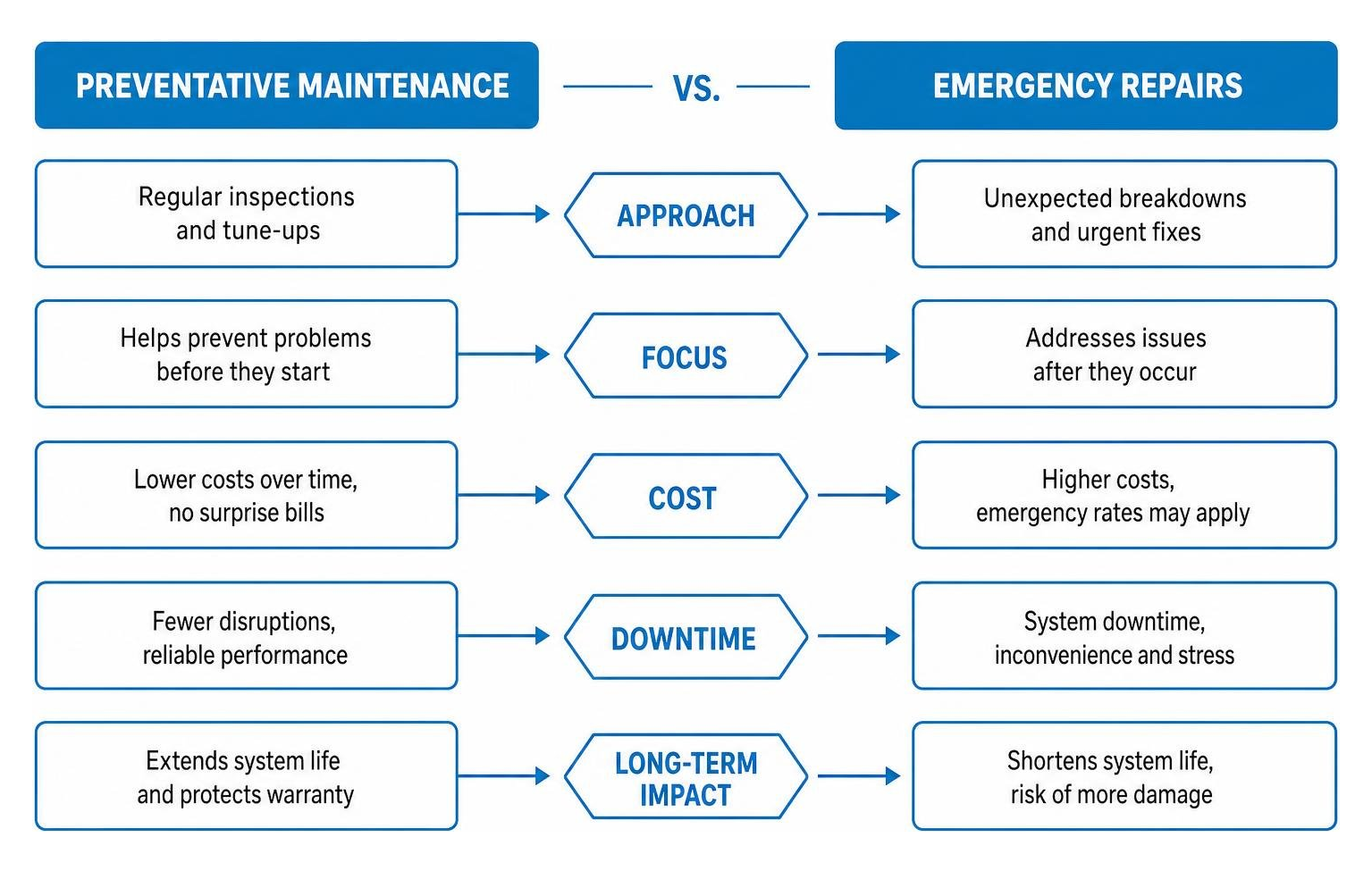
Regular maintenance is the cornerstone of preventing emergency breakdowns. For our HVAC systems, this means scheduling seasonal tune-ups—ideally in the spring for our AC and in the fall for our furnace. These professional inspections allow technicians to identify and address minor issues before they escalate into major problems. For instance, cleaning outdoor condenser coils annually removes dust and debris prevalent in Sandy, UT, ensuring optimal performance. Lubricating moving parts prevents friction, and testing electrical components helps prevent failures during peak demand.
Consistent air filter replacement, typically every one to three months, is vital for maintaining system efficiency and indoor air quality. For plumbing, regular inspections can identify small leaks or signs of corrosion before they lead to burst pipes. Leak detection systems can provide early warnings, and being mindful of what goes down our drains can prevent significant clogs. These early diagnostics not only prevent component wear but also help preserve manufacturer warranties, which often require documented professional maintenance. By being proactive, we can significantly reduce the likelihood of needing urgent, costly repairs.
Frequently Asked Questions
When faced with a potential home system emergency, many questions arise about what to do and how quickly to act. Here, we address some common concerns to help us navigate these stressful situations, focusing on troubleshooting, safety precautions, and understanding system reliability.
What should I do while waiting for an emergency technician?
If we suspect an HVAC or plumbing emergency, our immediate actions can minimize damage and ensure safety. For plumbing issues like a burst pipe, locate and shut off the main water valve to stop the flow of water. For a suspected gas leak, turn off the gas supply if it’s safe to do so, evacuate our home immediately, and call emergency services from a safe distance. If our AC or furnace has completely failed, especially in extreme temperatures, adjust our thermostat settings to “off” to prevent further damage. Ensure adequate ventilation if there’s any concern about indoor air quality. Gather any relevant information about our system, such as its age, last maintenance date, and any unusual sounds or smells we’ve noticed.
Can a clogged drain wait until normal business hours?
The urgency of a clogged drain depends on its severity and location. A single, slow-draining sink might be able to wait until normal business hours, especially if we can avoid using it. However, if multiple drains are clogged, if there’s standing water in several fixtures, or if we notice sewage backing up into our home, it’s a clear sign of a main sewer line blockage. This situation cannot wait, as it poses significant health risks due to biohazards and can lead to extensive water damage. In such cases, immediate professional intervention is necessary to prevent further contamination and property damage.
Does regular maintenance prevent emergency breakdowns?
Yes, regular maintenance is one of the most effective ways to prevent emergency breakdowns. Annual tune-ups for our HVAC systems, for example, allow technicians to inspect all components, clean coils, check refrigerant levels, and identify signs of wear and tear before they lead to catastrophic failure. This early detection can address minor issues, such as a failing capacitor or a loose electrical connection, preventing them from causing the entire system to shut down during peak demand. Regular maintenance also ensures optimal system reliability, extends the component lifespan, and keeps our systems running efficiently, which can also help lower energy bills and preserve warranties. While no maintenance can guarantee against all emergencies, it drastically reduces their frequency and severity.
Conclusion
Navigating the complexities of home systems in Sandy, UT, requires both vigilance and knowledge. From the intense summer heat to the biting winter cold, our HVAC and plumbing systems work tirelessly to keep our homes comfortable and safe. Understanding when an issue demands immediate attention versus routine service is crucial for protecting our property and our family’s well-being.
By recognizing the signs of an emergency, taking swift action, and investing in proactive care through regular maintenance, we empower ourselves to manage our homes more effectively. This proactive approach, coupled with knowing when to call on trusted professionals, provides invaluable peace of mind. A well-maintained home is a safe, comfortable, and efficient home, ready to weather any season Sandy, UT, throws its way.
