The Mechanics of Geothermal HVAC Installation
Many homeowners today face the challenge of maintaining a comfortable and efficient home without breaking the bank. We understand that outdated systems can lead to high energy bills and frequent repairs, causing stress and unexpected costs. This is especially true when considering major home improvements, such as installing advanced Geothermal HVAC technologies. Finding reliable and affordable plumbing installation in Princeton IN, is crucial for ensuring that these new systems operate perfectly and contribute to long-term savings. Our goal is to explore how innovative solutions can improve your living space and reduce your environmental footprint, all while managing costs effectively.
To learn more about our comprehensive services, explore our Home Comfort Solutions, or contact us today for a consultation.
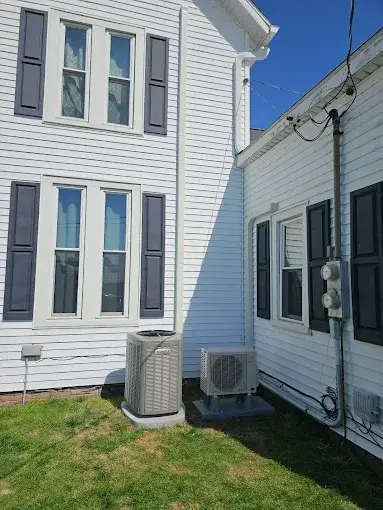
Geothermal HVAC systems represent a significant leap forward in home comfort technology, harnessing the stable temperature of the earth to provide efficient heating and cooling. Unlike traditional systems that burn fossil fuels or rely on air temperature, geothermal energy taps into a virtually limitless, renewable resource. This technology primarily uses a heat pump to transfer heat between your home and the ground, which requires a carefully designed and installed network of underground pipes, often called ground loops. The principle behind it is elegantly simple: the earth’s temperature remains relatively constant just a few feet below the surface, regardless of the season or extreme weather conditions above ground. This stability provides a consistent heat source in winter and a heat sink in summer, making geothermal systems incredibly efficient.
The thermal transfer process in a geothermal system is continuous and silent. A fluid, typically a mixture of water and antifreeze, circulates through the ground loops, absorbing heat from the earth in colder months and dissipating heat into the earth during warmer periods. This fluid then travels to the geothermal heat pump inside your home, where the heat is extracted or rejected and distributed through your existing ductwork or radiant heating systems. The efficiency of this process is unparalleled, as the system transfers heat rather than generating it, resulting in substantial energy savings and a reduced carbon footprint. The initial installation requires specialized knowledge, particularly regarding ground-loop design and proper connection to the indoor unit, to ensure optimal performance and longevity.
How Geothermal HVAC Installation Leverages Earth’s Constant Temperature
The core advantage of geothermal HVAC lies in its ability to exploit the earth’s constant ground temperature. While ambient air temperatures fluctuate wildly with seasonal changes and daily weather patterns, the soil just a few feet beneath the surface maintains a surprisingly stable temperature, typically between 45°F and 75°F, depending on the geographic location. This thermal reservoir serves as a highly efficient heat-exchange medium.
In heating mode, the geothermal system extracts heat from the relatively warm ground and delivers it to your home. The circulating fluid in the ground loops absorbs this warmth. Once it reaches the heat pump, a refrigeration cycle concentrates this low-grade heat, raising its temperature to a level suitable for indoor comfort. Conversely, in cooling mode, the process is reversed: the system draws excess heat from your home and transfers it into the cooler ground. This continuous exchange makes geothermal systems exceptionally effective and energy-efficient for both heating and cooling year-round.
There are two primary types of ground loop systems: closed-loop and open-loop. Closed-loop systems are the most common, involving a sealed network of pipes buried horizontally or vertically in the ground. A water-antifreeze solution circulates within these pipes, never coming into direct contact with the soil. Open-loop systems, on the other hand, draw water from a well or pond, circulate it through the heat pump, and then discharge it back into the ground or a separate discharge well. While open-loop systems can be highly efficient, they require a suitable water source and careful consideration of local water regulations and environmental impacts. Both systems rely on precise installation to ensure proper thermal transfer and prevent issues like leaks or inadequate heat exchange.
Key Components of a Geothermal HVAC Installation
Understanding the key components of a geothermal HVAC installation helps to appreciate the intricate engineering behind these advanced systems. Each part plays a crucial role in the unit’s efficient operation and overall effectiveness.
At the heart of the outdoor component is the ground loop system. This network of durable, high-density polyethylene pipes is buried underground, either horizontally in trenches or vertically in boreholes. These loops are connected to a manifold, which acts as a central hub, distributing heat-transfer fluid to and from the various loops. The manifold ensures balanced flow and efficient heat exchange across the entire ground loop field.
Inside your home, the primary component is the geothermal heat pump, also called the geothermal unit. This appliance is similar in appearance to a traditional furnace or air handler but contains a compressor, heat exchanger, and fan. The heat pump extracts heat from the fluid from the ground loops (in heating mode) or transfers heat to the fluid (in cooling mode). It then uses a refrigerant cycle to concentrate or dissipate this thermal energy.
Connected to the heat pump is the air handler (for forced-air systems) or a distribution system (for radiant floor heating). The air handler contains a fan that circulates conditioned air throughout your home via ductwork, much like a conventional furnace. For radiant systems, the heat pump may connect to a hydronic distribution system that circulates heated water through pipes embedded in floors or walls. Additionally, many geothermal systems include a desuperheater, which can capture waste heat from the cooling cycle to provide free or low-cost hot water for domestic use, further enhancing the system’s overall efficiency and value. The seamless integration and proper sizing of these components are vital for optimal performance and long-term savings.
Integrating Advanced Plumbing and HVAC Systems
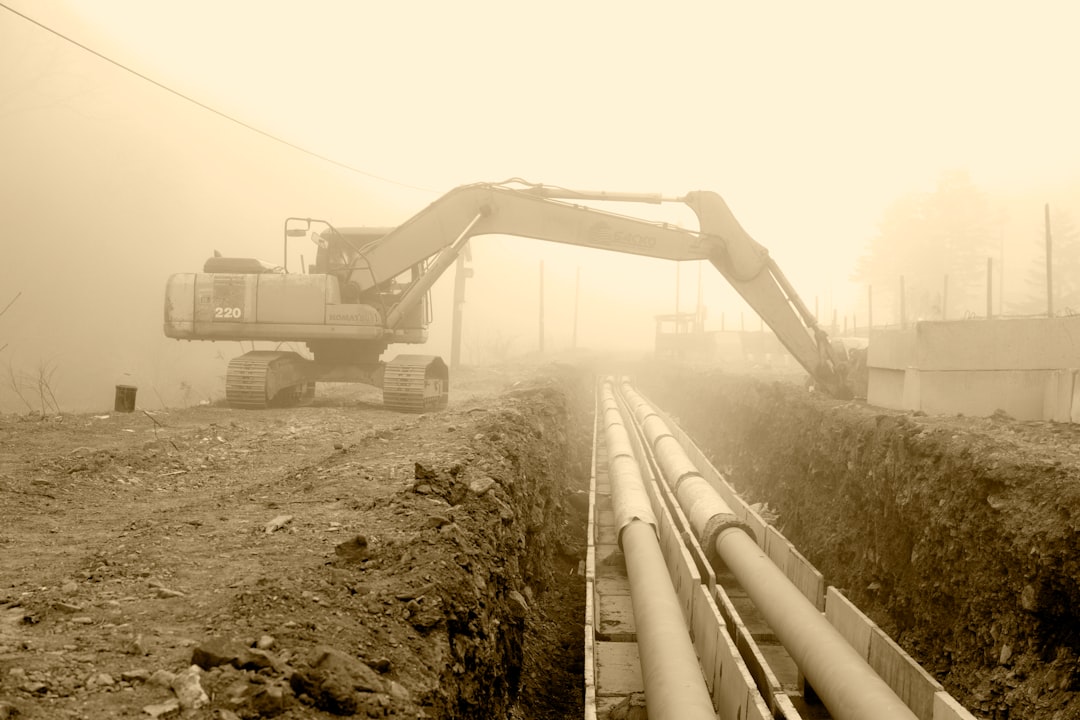
The successful implementation of advanced HVAC technologies, particularly geothermal systems, is inextricably linked to robust, intelligently designed plumbing infrastructure. While often considered separate disciplines, modern home comfort systems frequently rely on the precise integration of plumbing components. From the ground loops circulating heat transfer fluid to the condensate drains and domestic hot water connections, plumbing plays a foundational role. Ensuring that these plumbing elements are installed correctly and maintained diligently is paramount for the efficiency, reliability, and longevity of the entire home comfort system. This integration demands expertise, as issues with one system can directly impact the performance of the other.
For homeowners in areas like Princeton, IN, where embracing energy-efficient solutions is becoming increasingly popular, securing quality plumbing services for these complex installations is essential. Whether it’s laying the intricate network of pipes for a geothermal system or ensuring that the domestic water lines are perfectly aligned for optimal performance, the quality of the plumbing work directly influences the overall system’s effectiveness. Finding an expert who understands the nuances of these integrated systems and offers reliable, affordable plumbing installation in Princeton, IN, ensures that your investment in advanced HVAC technology reaches its full potential for comfort and savings. Poor plumbing can lead to leaks, inefficient operation, and costly repairs down the line, undermining the benefits of even the most advanced HVAC unit.
Water Quality and System Longevity
Water quality is a critical factor in the longevity and efficiency of both plumbing and advanced HVAC systems. Hard water, prevalent in many regions, contains high levels of minerals such as calcium and magnesium. While generally safe to consume, these minerals can cause significant problems in your home’s water-bearing systems.
The primary issue is scale buildup. As hard water flows through pipes, water heaters, and even the internal components of geothermal heat pumps, these minerals precipitate out and form a hard, crusty deposit called scale. In plumbing, scale can narrow pipes, reduce water flow, and decrease the efficiency of water heaters by insulating heating elements. For advanced HVAC systems, particularly those with water-based heat exchangers or open-loop geothermal systems, scale buildup can severely impede thermal transfer, forcing the system to work harder, consume more energy, and ultimately shorten its lifespan.
To combat these issues, water softeners are highly recommended. These systems remove hard minerals from the water, preventing scale formation and protecting your valuable investments. By installing a water softener, you can significantly extend the life of your pipes, fixtures, water heater, and geothermal system components. Additionally, proper pipe protection, including insulation and routine corrosion checks, further contributes to system longevity. Maintaining optimal water quality ensures that your integrated plumbing and HVAC systems operate at peak efficiency for years to come, avoiding premature failures and unexpected repair costs.
Sump Pumps and Drainage Considerations
For many homes, especially those with basements or in areas with high water tables, effective moisture control is vital to maintaining structural integrity and ensuring optimal performance of advanced HVAC systems. Sump pumps and well-designed drainage lines play a critical role in preventing water intrusion and managing subsurface water.
A high water table can lead to hydrostatic pressure against basement walls and floors, potentially causing leaks and dampness. This is particularly relevant when considering the installation of geothermal ground loops, which require excavation, or the placement of indoor HVAC units in basements. Proper drainage, including perimeter drains and strategically placed sump pumps, diverts excess groundwater away from the foundation, keeping the basement dry and protecting sensitive equipment.
Sump pump integration with overall home systems is crucial. These pumps activate automatically when water levels in the sump pit rise, efficiently expelling water away from the house. For advanced HVAC systems, particularly those with condensate drains, ensuring that this drainage is properly routed and integrated with the home’s overall drainage plan is essential. For instance, geothermal heat pumps produce condensate during the cooling cycle, which must be safely and effectively removed. A robust sump pump system not only protects your basement from flooding but also safeguards your HVAC equipment from water damage, helping prevent mold growth and maintaining healthy indoor air quality. Proactive planning for drainage and sump pump installation during any major home comfort upgrade is a smart investment in your property’s long-term health and the efficiency of your advanced systems.
Environmental and Efficiency Benefits of Modern Systems
The adoption of modern HVAC and plumbing systems offers a compelling array of environmental and efficiency benefits that extend far beyond simple cost savings. These advanced technologies are designed with sustainability at their core, significantly reducing a home’s carbon footprint and promoting responsible resource management. By moving away from traditional, energy-intensive methods, homeowners can contribute to a healthier planet while simultaneously enjoying superior comfort and lower operational expenses. The focus on energy conservation is not just a trend but a necessity, and modern systems are engineered to meet this demand head-on.
One of the most significant advantages is the dramatic reduction in energy consumption. Systems like geothermal HVAC, for example, use minimal electricity to move heat rather than generate it, resulting in much lower demand on the power grid. This translates directly into lower greenhouse gas emissions, as electricity generation often relies on fossil fuels. Furthermore, the extended lifespan of these durable technologies means fewer replacements and less waste sent to landfills. Resource efficiency is also enhanced, as these systems often integrate more seamlessly with existing infrastructure, optimizing the use of materials and energy throughout their operational life. Embracing these innovations is a proactive step towards a more sustainable and economically sound future for your home.
Maximizing Efficiency with Geothermal HVAC Installation
Geothermal HVAC systems are renowned for their exceptional efficiency, largely due to their high coefficient of performance (COP). The COP is a measure of a heat pump’s efficiency, indicating the ratio of heating or cooling output to electricity input. Geothermal systems typically boast COPs ranging from 3 to 5, meaning for every unit of electricity used, they deliver 3 to 5 units of heating or cooling energy. This is significantly higher than conventional systems, which often have COPs closer to 1 or 2.
This impressive efficiency is rooted in the system’s ability to leverage renewable energy directly from the earth. Unlike traditional furnaces that generate heat by burning fuel or air conditioners that struggle against extreme outdoor air temperatures, geothermal units transfer existing heat. This process requires far less energy input, resulting in substantial reductions in electricity use. Over time, this translates into considerable savings on utility bills and a much smaller environmental impact. The sustainable heating and cooling provided by geothermal technology make it a leading choice for homeowners committed to energy conservation and long-term financial benefits.
Long-Term Durability of Advanced Materials
The use of advanced materials greatly enhances the longevity and reliability of modern plumbing and HVAC systems. Unlike older plumbing systems that often relied on galvanized steel or cast iron, which were prone to corrosion and buildup, contemporary installations benefit from materials engineered for superior durability and performance.
PEX (cross-linked polyethylene) piping, for instance, has become a standard in many new plumbing installations and repiping projects. PEX is highly flexible, resistant to corrosion, scale buildup, and freezing, offering a much longer lifespan than traditional metal pipes. Its flexibility also reduces the number of fittings required, minimizing potential leak points. Similarly, high-quality copper lines remain a preferred choice for their excellent heat transfer properties, corrosion resistance, and proven track record across various applications, including hot-water distribution and refrigerant lines in some HVAC systems.
For geothermal ground loops, high-density polyethylene (HDPE) is the material of choice. HDPE pipes are incredibly robust, designed to withstand the pressures and environmental conditions of underground burial for decades, often with warranties that extend for 50 years or more. These materials significantly enhance overall system reliability, reducing the need for frequent repairs and replacements. Investing in systems that use these advanced, corrosion-resistant materials ensures a more resilient, long-lasting home comfort solution, providing peace of mind and sustained efficiency for many years to come.
Preparing Your Property for Advanced System Upgrades
Embarking on a significant home improvement project like installing advanced HVAC systems, especially geothermal, requires meticulous preparation of your property. This phase is critical to ensure a smooth installation process, optimal system performance, and compliance with local regulations. It begins with a thorough site assessment, where professionals evaluate the unique characteristics of your land and home. Understanding factors such as soil composition, available space, and existing infrastructure is paramount.
Professional planning during this preparatory stage cannot be overstated. It involves not only the technical aspects of the installation but also coordination with various trades and adherence to a precise timeline. This comprehensive approach helps to anticipate potential challenges, minimize disruptions, and ensure that all components are perfectly integrated. Proper preparation lays the groundwork for a successful upgrade, maximizing the efficiency and lifespan of your new advanced systems.
Geological and Space Evaluations
Before any advanced HVAC system, particularly geothermal, can be installed, detailed geological and space evaluations are indispensable. These assessments determine the feasibility and optimal design of the ground loop system, which is the heart of any geothermal installation.
Soil composition is a primary consideration. Different soil types have varying thermal conductivities, meaning some soils transfer heat more efficiently than others. A professional evaluation will include soil testing to understand soil characteristics, which directly influence the required length and configuration of the ground loops. For example, moist clay soil generally conducts heat more effectively than dry, sandy soil.
Drilling depth and loop configuration are determined based on soil conditions, available land, and the home’s heating and cooling loads. Vertical loops, which require less surface area, involve drilling deep boreholes (often hundreds of feet) and are ideal for properties with limited yard space. Horizontal loops, conversely, require more land but are buried shallower in trenches. The choice between vertical and horizontal, as well as the specific layout, is critical to maximizing heat-exchange efficiency.
Excavation planning is also a significant part of the evaluation. This involves assessing the property layout to identify potential obstacles such as underground utilities, septic systems, or mature trees that could interfere with drilling or trenching. A detailed plan ensures that excavation is conducted safely and efficiently, minimizing impact on the landscape. These careful evaluations ensure that the geothermal system is perfectly tailored to your property, guaranteeing optimal performance and long-term reliability.
Coordinating Plumbing and HVAC Upgrades
When undertaking advanced system upgrades, particularly those involving both HVAC and plumbing, seamless coordination between these trades is not just beneficial—it’s essential. Modern homes often feature integrated systems where plumbing components support HVAC functions, and vice versa. For example, geothermal heat pumps rely on water lines for their ground loops, and many high-efficiency furnaces and boilers require specific plumbing connections for condensate drainage or hot water supply.
During the planning phase, rough-in plumbing must be carefully coordinated with the HVAC design. This involves installing all necessary pipes and drains within walls and floors before the drywall is installed. For geothermal systems, this means ensuring the ground loop connections are properly routed to the indoor heat pump, and any desuperheater connections for domestic hot water are correctly positioned. Similarly, ductwork alignment needs to consider plumbing runs to avoid conflicts and ensure efficient air distribution.
Electrical coordination is another critical aspect, as both HVAC and plumbing systems require power. Ensuring that dedicated circuits and appropriate wiring are in place for all new components prevents overloading and ensures safe operation. A unified approach to these upgrades minimizes installation time, reduces the likelihood of costly rework, and ensures that the final integrated system operates harmoniously and efficiently. Working with professionals who understand the synergy between these systems is key to a successful and long-lasting home comfort solution.
Frequently Asked Questions About Advanced Home Systems
As homeowners increasingly consider advanced HVAC and plumbing solutions for their properties, common questions arise about performance, longevity, and specific requirements. We aim to address some of these frequently asked questions to provide clarity and help you make informed decisions about upgrading your home comfort systems.
How long does a geothermal loop system last?
The durability of a geothermal loop system is one of its most compelling advantages. The underground loops, typically made from high-density polyethylene (HDPE) pipe, are designed for exceptional longevity. These pipes are highly resistant to corrosion, cracking, and chemical degradation, making them highly robust across a wide range of soil conditions. Manufacturers often provide warranties for the ground loops that extend 50 years or more, and the actual lifespan can easily exceed this, often reaching 75 to 100 years.
This impressive durability is largely due to the stable underground environment. Once buried, the pipes are protected from UV radiation, extreme temperature fluctuations, and physical damage that can affect above-ground components. The fluid circulating within the loops, usually a mixture of water and antifreeze, is also carefully balanced to prevent internal corrosion. With proper installation and adherence to industry standards, the ground loop component of a geothermal system is truly a “fit and forget” solution, requiring minimal maintenance and offering decades of reliable thermal transfer for your home.
Can geothermal systems handle both heating and cooling?
Absolutely. One of the significant benefits of geothermal HVAC technology is its dual-function capability, providing both highly efficient heating and cooling from a single system. Geothermal heat pumps are designed to reverse their operation with the seasons, making them a true year-round comfort solution.
In the colder months, the system extracts heat from the ground and delivers it to your home. When the warmer months arrive, the heat pump reverses its cycle, drawing excess heat from your indoor air and dissipating it back into the cooler ground. This seamless seasonal transition is managed automatically by the system’s controls, ensuring consistent indoor temperatures regardless of outdoor conditions. Many systems also offer the option for “desuperheating,” where waste heat from the cooling process can be used to pre-heat domestic hot water, further enhancing overall efficiency. This versatility makes geothermal systems a comprehensive, highly effective solution for maintaining optimal home comfort year-round.
What plumbing considerations are necessary for advanced HVAC systems?
Integrating advanced HVAC systems, particularly geothermal or high-efficiency conventional units, introduces several key plumbing considerations vital to proper operation and system longevity.
Firstly, for geothermal systems, the ground loops themselves are a sophisticated plumbing network. Proper pipe sizing, material selection (typically HDPE), and leak-proof connections are paramount to ensure efficient heat transfer and prevent costly underground failures. The fluid circulating within these loops, usually a water-antifreeze mixture, also requires specific plumbing expertise for filling, purging air, and maintaining appropriate pressure.
Secondly, many high-efficiency HVAC units, including geothermal heat pumps and modern condensing furnaces, produce significant amounts of condensate during operation. This acidic water must be safely collected and routed to a drain. Proper condensate drains, often involving PVC piping and, in some cases, a small condensate pump, are essential to prevent water damage, mold growth, and system malfunctions.
Lastly, water supply lines may be necessary for certain advanced systems, such as open-loop geothermal configurations that draw and discharge well water, or for humidifiers integrated into the HVAC system. Additionally, backflow prevention devices might be required to protect the potable water supply from contamination, particularly in systems that connect to non-potable sources or use chemical additives. Addressing these plumbing considerations with skilled professionals ensures the efficient, safe, and reliable operation of your advanced HVAC system.
Conclusion
Embracing advanced HVAC technologies, such as geothermal systems, represents a forward-thinking approach to home comfort and sustainability. We have explored how these innovative solutions leverage the earth’s stable temperatures to achieve unparalleled heating and cooling efficiency, significantly reducing energy consumption and carbon footprints. The intricate mechanics of ground loops, heat pumps, and distribution systems highlight the sophisticated engineering behind these technologies.
Crucially, the success of these advanced installations hinges on the seamless integration of high-quality plumbing. From robust ground loops to essential condensate drains and water-quality management, reliable plumbing is the backbone that ensures optimal performance and longevity. Preparing your property with thorough geological evaluations and coordinating plumbing and HVAC upgrades are vital steps towards a successful transition. By understanding these components and their interdependencies, homeowners can confidently invest in systems that provide superior comfort, long-term savings, and a reduced environmental impact for decades to come.
