Key Factors in Selecting a Trusted Local HVAC Provider
In Des Moines, IA, we know how vital a reliable heating and cooling system is for year-round comfort. From scorching summers to freezing winters, our homes depend on efficient HVAC systems. When your system needs an upgrade or repair, the cost can feel overwhelming. This challenge often leaves homeowners wondering how to choose a trustworthy local provider without breaking the bank. Making the right choice ensures your home stays comfortable and your investment lasts. We understand the need for both quality service and manageable payment solutions. This guide will help you navigate selecting a trusted local HVAC partner, ensuring you find truly cost-effective HVAC services.
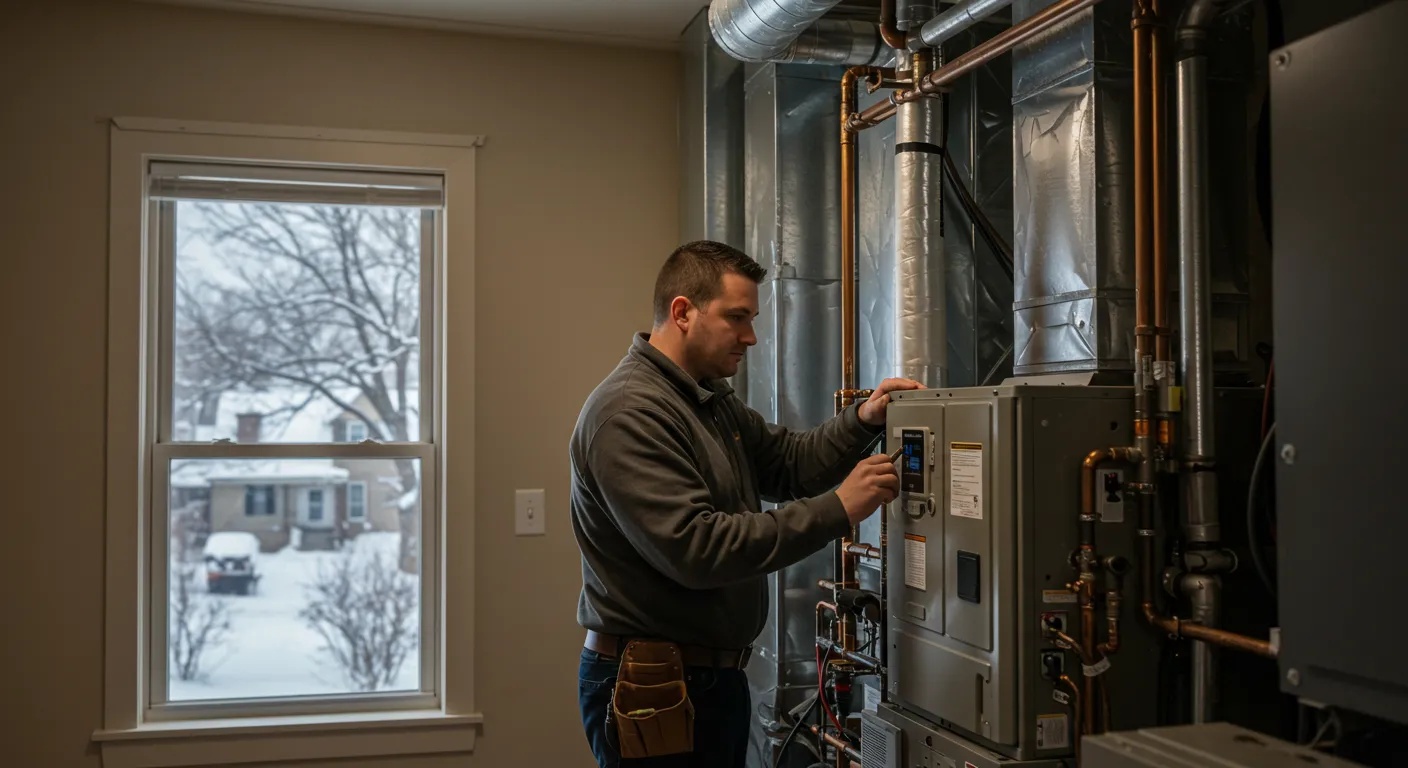
Choosing an HVAC provider is a significant decision, influencing not only your home’s comfort but also your energy bills and peace of mind for years to come. We believe that the foundation of a great HVAC relationship lies in trust, transparency, and proven expertise. When evaluating potential contractors, several critical factors should guide your choice, especially for homeowners in and around Des Moines, IA. A reputable local company will prioritize clear communication, adhere to industry standards, and stand behind their work.
First and foremost, verify that any prospective contractor is fully licensed and carries adequate liability insurance. This protects both you and the technicians working on your property. Licensing ensures they meet state and local requirements, demonstrating a baseline level of competence. Insurance safeguards against unforeseen accidents or damages during the project. Beyond these essentials, consider their local reputation. What do other homeowners in Des Moines say about their services? A strong local presence, often built on family-owned values, can indicate a deep commitment to the community and a history of reliable service.
Verifying Credentials and Local Expertise
When we talk about credentials, we’re looking beyond just a business license. We’re interested in the qualifications of the technicians who will actually be performing the work. Certifications like NATE (North American Technician Excellence) signify that technicians have undergone rigorous training and stay current with the latest industry standards and technologies. This is crucial because even the best equipment can underperform if not installed or maintained correctly.
Local expertise is equally important. An HVAC services provider familiar with Des Moines’ specific climate challenges – from humid summers to harsh winters – will understand the nuances of local building codes and energy efficiency requirements. They can recommend systems and solutions best suited for our region, ensuring optimal performance and compliance. We always recommend inquiring about a company’s service area and how long they have been serving the local community. This demonstrates their rootedness and commitment to building community trust.
Evaluating Customer Feedback and Service Guarantees
Customer reviews are an invaluable resource. We encourage homeowners to explore various online platforms to gauge a provider’s reputation. Look for consistent themes in feedback regarding professionalism, timeliness, quality of work, and customer service. While a single negative review shouldn’t be a deal-breaker, a pattern of complaints is a clear red flag.
Beyond online reviews, ask about service warranties and guarantees. A trusted provider will offer comprehensive warranties on both parts and labor, providing assurance that they stand by their installations and repairs. Inquire about their response times, especially for emergency services. A reliable company understands that HVAC issues don’t always happen during business hours and will have protocols in place for prompt assistance. A provider’s commitment to customer satisfaction, backed by clear guarantees, speaks volumes about their integrity and dedication to quality service.
Maximizing Efficiency with Cost-Effective HVAC Services
Investing in your home’s HVAC system is an investment in long-term comfort and savings. We’ve seen how homeowners who prioritize energy efficiency not only enjoy a more comfortable living environment but also significantly reduce their monthly utility bills. This section explores how strategic choices regarding your HVAC system can lead to substantial financial benefits over time.
Modern HVAC systems are designed to be far more energy-efficient than their predecessors. Upgrading to a high-efficiency unit can lead to a substantial reduction in energy consumption, often by 20-40% or more, compared to older systems. This reduction directly translates into lower operating costs, making the initial investment more manageable over the system’s lifespan. Furthermore, proper seasonal maintenance plays a crucial role in maintaining this efficiency, preventing costly breakdowns, and extending the life of your equipment. For homeowners in the Des Moines metro area seeking to optimize their home’s comfort and energy footprint, understanding these aspects is key to finding truly optimal HVAC solutions.
The Role of Preventative Maintenance
Preventative maintenance is not just about fixing problems; it’s about avoiding them altogether. We cannot overstate the importance of annual tune-ups for both your heating and cooling systems. These routine inspections allow technicians to identify minor issues before they escalate into major, expensive repairs. During a tune-up, professionals will clean components, check refrigerant levels, inspect electrical connections, and lubricate moving parts.
This proactive approach significantly improves system reliability and energy efficiency. Dirty filters, for instance, restrict airflow, forcing your system to work harder and consume more energy. Regular filter replacements are a simple yet effective way to maintain optimal performance. Proper airflow optimization ensures that conditioned air is distributed efficiently throughout your home, eliminating hot or cold spots. By investing in preventative maintenance, you’re not just extending the life of your HVAC system; you’re also ensuring it operates at peak efficiency, keeping your home comfortable and your energy bills in check.
Upgrading to High-Efficiency Heating and Cooling Systems
When it’s time for a replacement, upgrading to a high-efficiency heating and cooling system is one of the smartest decisions you can make for your home and wallet. We often discuss SEER2 (Seasonal Energy Efficiency Ratio 2) ratings, which indicate a system’s energy efficiency. Higher SEER2 ratings mean greater energy savings. For example, replacing an older 10-SEER unit with an 18+ SEER2 system can drastically cut cooling energy costs.
Heat pumps, in particular, are excellent options for year-round comfort in Des Moines. They provide both heating and cooling by transferring heat, making them incredibly efficient. Up to $8,000 in federal heat pump rebates were available under the Inflation Reduction Act of 2022, depending on income and state programs, though some federal tax credits like Section 25C and 25D expired at the end of 2025. It’s always wise to check with your local utility providers and a tax professional for current incentives and eligibility in July 2026. Ductless mini-splits offer another flexible, energy-efficient solution, especially for additions or zoning specific areas. Many utility companies in Iowa also offer rebates for installing energy-efficient HVAC systems, further reducing your upfront costs.
Navigating Flexible Financing and Payment Options
The prospect of a new HVAC system can be daunting due to the high upfront cost, which typically ranges from several thousand dollars or more. However, we want homeowners to know that financial constraints shouldn’t prevent them from enjoying a comfortable and energy-efficient home. Flexible financing and payment options are widely available, designed to make these essential upgrades accessible without straining your budget.
Many trusted local HVAC providers partner with financial institutions to offer various plans, including options with deferred interest or low fixed interest rates. These solutions allow you to spread the cost over manageable monthly payments, freeing up your immediate cash flow. Understanding how these options work, including the application process and the impact of a soft credit check, is crucial for making an informed decision that aligns with your financial goals.
Deferred Interest vs. Fixed Payment Plans
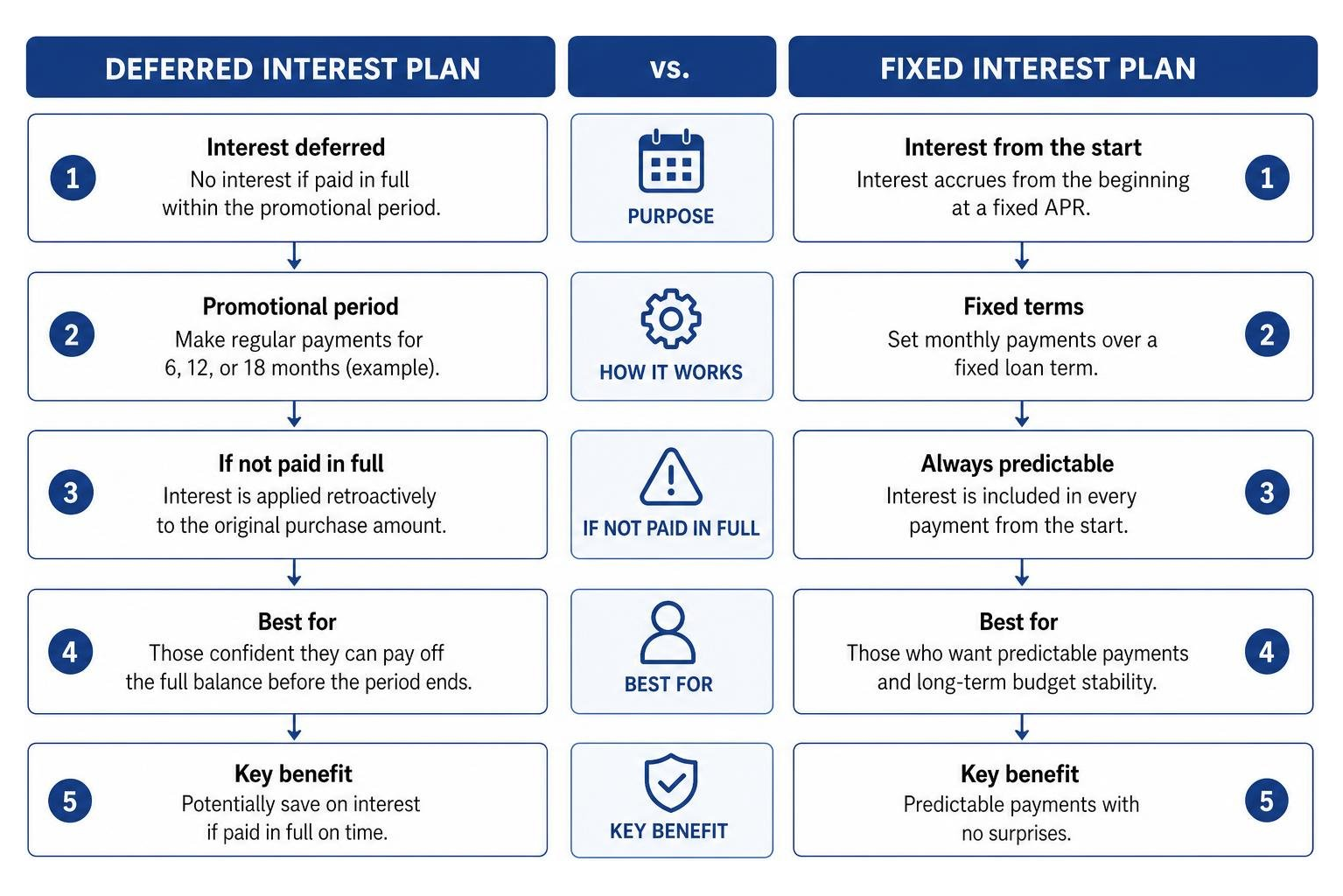
When considering financing, you’ll typically encounter two main types of plans: deferred interest and fixed payment plans.
Deferred Interest Plans (often advertised as “0% interest if paid in full within X months”) can be very attractive. During the promotional period (e.g., 6, 12, or 18 months), you make regular payments, but no interest accrues. However, it’s crucial to understand the terms: if the full balance is not paid off by the end of the promotional period, interest (often at a higher rate) is typically applied retroactively to the original purchase amount. These plans offer great financial flexibility if you are confident you can pay the full balance before the deferral period ends.
Fixed Payment Plans (with reduced APR) offer a more predictable structure. You’ll have a set interest rate from the start, and your monthly payments will be fixed over the loan term (e.g., 60 or 120 months). This provides budget stability and ensures you know exactly what you’ll pay each month until the system is fully paid off. These plans are often preferred by homeowners who want clear, consistent payments and may not be able to pay off the entire balance during a promotional period.
Here’s a simplified comparison:
We always advise homeowners to carefully read the fine print, understand the interest rates, payment periods, and any potential penalties before committing to a plan. Many plans also allow early payoff without penalties, providing additional flexibility.
The Application and Approval Process
Applying for HVAC financing is generally a straightforward process. Most reputable providers offer online applications that can often be completed in minutes, sometimes even during an in-home consultation. This convenience means you can get a fast credit decision, often within minutes, allowing you to proceed with your HVAC project without significant delays.
A key benefit of many financing programs is the use of a “soft credit inquiry” for pre-qualification. This initial check allows you to see what financing options you might qualify for without impacting your credit score. A “hard inquiry” that could temporarily affect your credit score only occurs if you decide to move forward with a specific plan and formally apply. This approach empowers homeowners to explore their options risk-free. Credit approval requirements vary by lender and plan; while some 0% APR options may require good to excellent credit (e.g., 640 or higher for some Wells Fargo programs), other lenders offer flexible options for a wider range of credit profiles.
Essential Questions to Ask Your Des Moines Heating and Cooling Contractor
Choosing the right HVAC services contractor is paramount to the success and longevity of your new system. We believe that informed homeowners are empowered homeowners. Asking the right questions during a consultation or estimate ensures you select a provider who is not only skilled but also aligns with your expectations for quality, transparency, and ongoing support. Effective contractor communication is the bedrock of a successful project.
It’s not just about the equipment; it’s about the professional installation and how well the system is matched to your home’s unique needs and layout. An improperly sized or installed system, even a high-efficiency one, can lead to discomfort, higher energy bills, and premature failure. Therefore, we encourage a thorough vetting process, focusing on their approach to system sizing, installation practices, and long-term support.
How Do You Ensure Cost-Effective HVAC Services During Installation?
This question gets to the heart of a contractor’s technical expertise and commitment to efficiency. A reputable HVAC provider will never guess at system size. They should perform a detailed Manual J load calculation, which assesses your home’s specific heating and cooling needs based on factors like square footage, insulation levels, window types, and sun exposure. This ensures the system is neither oversized (leading to short-cycling and humidity problems) nor undersized (struggling to maintain comfort).
Beyond sizing, inquire about their installation practices for proper ductwork. Leaky or poorly designed ductwork can negate the efficiency gains of a new system, losing up to 30% of conditioned air. Ask if they will inspect and seal existing ducts or recommend new ones if necessary. A professional installation team will also ensure all components are correctly integrated and calibrated for optimal energy efficiency, ultimately delivering the most value from your investment.
What Maintenance Plans Support Cost-Effective HVAC Services Long-Term?
A new HVAC services system is a significant investment, and protecting that investment requires ongoing care. Ask potential contractors about their maintenance plans. These plans typically include scheduled inspections and seasonal tune-ups, which are vital for maintaining efficiency and preventing unexpected breakdowns.
Beyond basic tune-ups, inquire about the specifics of their plans:
- Priority Service: Do plan members receive expedited service for repairs, especially during peak seasons?
- Parts Coverage: Are certain parts covered under the plan, or do you receive discounts on repairs?
- System Longevity: How does their maintenance program contribute to extending the lifespan of your equipment?
A comprehensive maintenance plan from your chosen provider demonstrates their commitment to your long-term home comfort and ensures that your system continues to run efficiently for years to come, maximizing your return on investment.
Frequently Asked Questions About Home Comfort Systems
We understand that homeowners often have many questions when considering HVAC services upgrades or repairs, especially given the unique climate challenges of Des Moines. Here, we address some of the most common inquiries we receive, offering clarity on financing, local provider benefits, and the enduring value of seasonal maintenance.
How does a soft credit check affect my qualification for heating and cooling plans?
A soft credit check is a preliminary review of your credit history that many financing partners use for pre-qualification. We want to assure you that this type of inquiry does not impact your credit score. It allows you to explore various heating and cooling plans and understand what financing options you might be eligible for without any risk to your credit profile. Only if you decide to proceed with a specific financing offer will a formal application be submitted, which typically involves a hard credit inquiry that could have a minor, temporary effect on your score. This process is designed to give you peace of mind as you evaluate your financing choices.
What are the benefits of choosing a local, family-owned provider in Des Moines?
Choosing a local, family-owned HVAC services provider in Des Moines offers distinct advantages. These companies often have a deep understanding of the community and its specific needs, providing personalized service that larger, national chains might not. We pride ourselves on our community commitment, striving to build lasting relationships with our customers rather than just completing transactions.
Local providers also tend to offer more rapid response times, which is invaluable during extreme weather events when your heating or cooling system is critical. Their technicians are typically familiar with local housing styles and common HVAC challenges in the area. This local expertise, combined with a dedication to customer satisfaction, often translates into a more reliable and trustworthy service experience.
How does seasonal maintenance improve system efficiency?
Seasonal maintenance is a cornerstone of optimal HVAC performance and energy savings. We find that regular tune-ups significantly improve system efficiency in several ways:
- Energy Savings: By cleaning coils, checking refrigerant levels, and ensuring all components are operating correctly, maintenance prevents your system from working harder than necessary, leading to lower energy consumption and reduced utility bills. Homeowners who finance HVAC replacements often report an average 35-40% reduction in monthly energy bills compared to older systems.
- Breakdown Prevention: Routine inspections catch small issues before they become major malfunctions, preventing inconvenient and costly emergency repairs.
- Airflow Improvement: Cleaning filters and ensuring clear ductwork optimizes airflow, allowing your system to distribute conditioned air more effectively throughout your home.
- Equipment Lifespan: A well-maintained system experiences less wear and tear, extending its operational life and delaying the need for premature replacement.
Seasonal maintenance is a smart investment that pays dividends in comfort, reliability, and long-term savings.
Conclusion
Navigating the complexities of HVAC repair or replacement, especially when considering financing, can feel overwhelming. However, by focusing on key factors like a provider’s credentials, local reputation, customer feedback, and transparent financing options, you can make an informed decision with confidence. We believe that every homeowner in Des Moines, IA, deserves a comfortable living environment, supported by reliable service and long-term value. By choosing a trusted local HVAC services partner who offers flexible payment solutions, you’re not just investing in a new system; you’re investing in peace of mind, energy efficiency, and enduring home comfort.
