
What Increases Your Risk Factors of Type 2 Diabetes?
Type 2 diabetes is one of the most common chronic health conditions affecting millions of people around the world. It often develops slowly over time, which is why understanding the causes and risk factors can be so important. The more we learn about our health, the better equipped we are to make small, meaningful changes that may help lower our risk and support long-term wellness.
This topic feels very personal to me because I recognize several of these risk factors in my own life. My dad had diabetes, I experienced gestational diabetes during pregnancy, I’m over 50, and like many people, I carry some extra weight around my middle. For a long time, it was easy to brush these things aside or tell myself I’d worry about them later. But learning more about type 2 diabetes has encouraged me to pay closer attention to my health and become more proactive about taking care of myself.
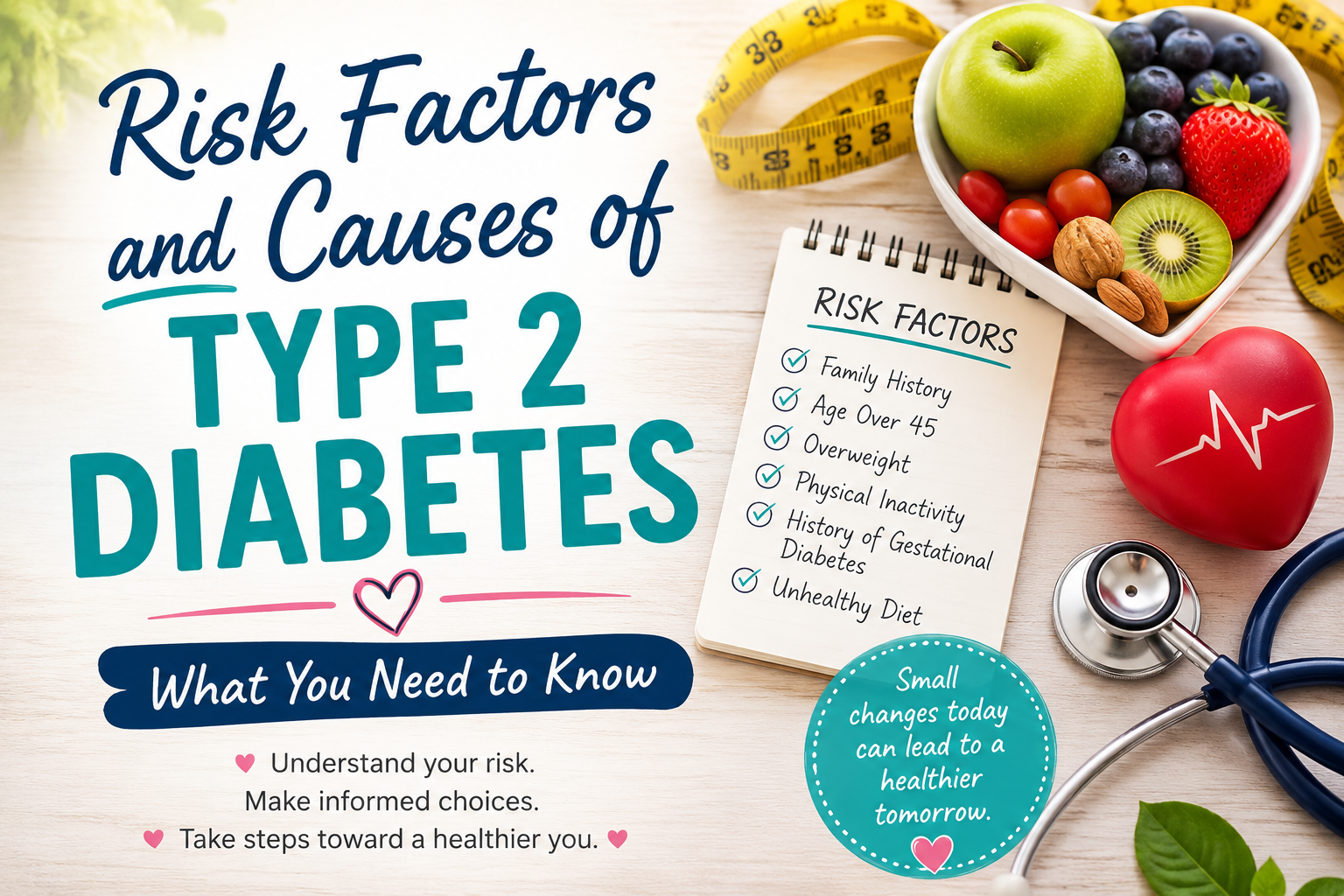
I think many of you can relate to this feeling. Life gets busy, and it’s easy to put our own health on the back burner while caring for everyone else. The encouraging part is that awareness really does matter. Even small steps like moving more, making healthier food choices, and scheduling regular checkups can make a difference over time.
Unlike type 1 diabetes, which is an autoimmune condition, type 2 diabetes typically develops when the body becomes resistant to insulin or when the pancreas can no longer make enough insulin to keep blood sugar levels within a healthy range. Insulin is a hormone that helps move sugar from the bloodstream into the body’s cells to be used for energy. When insulin does not work properly, sugar builds up in the blood instead.
Learning about the causes and risk factors of type 2 diabetes is an important step toward prevention and early intervention. In this post, we’ll take a closer look at what contributes to type 2 diabetes, who may be at higher risk, and why healthy habits matter.
What Causes Type 2 Diabetes?
There is no single cause of type 2 diabetes. Instead, it usually develops because of a combination of genetic, lifestyle, and environmental factors.
Insulin Resistance
One of the biggest causes of type 2 diabetes is insulin resistance. This happens when the body’s cells stop responding properly to insulin. As a result, the pancreas works harder to produce more insulin to keep blood sugar levels stable.
Over time, the pancreas may not be able to keep up with the increased demand, causing blood sugar levels to rise. This gradual process can happen over several years before someone is diagnosed with type 2 diabetes.
Genetics and Family History
Family history plays a significant role in type 2 diabetes risk. If a parent or sibling has type 2 diabetes, the chances of developing it are higher. Researchers believe certain genes can affect how the body processes insulin and stores fat.
While genetics cannot be changed, understanding family history can help people stay proactive about screenings and healthy lifestyle choices.
Lifestyle Factors
Lifestyle habits can strongly influence the development of type 2 diabetes. Diet, physical activity levels, sleep habits, and stress management all affect blood sugar regulation and overall metabolic health.
A lifestyle that includes frequent processed foods, sugary drinks, limited exercise, and excess weight gain may increase the risk of insulin resistance and type 2 diabetes.

Common Risk Factors for Type 2 Diabetes
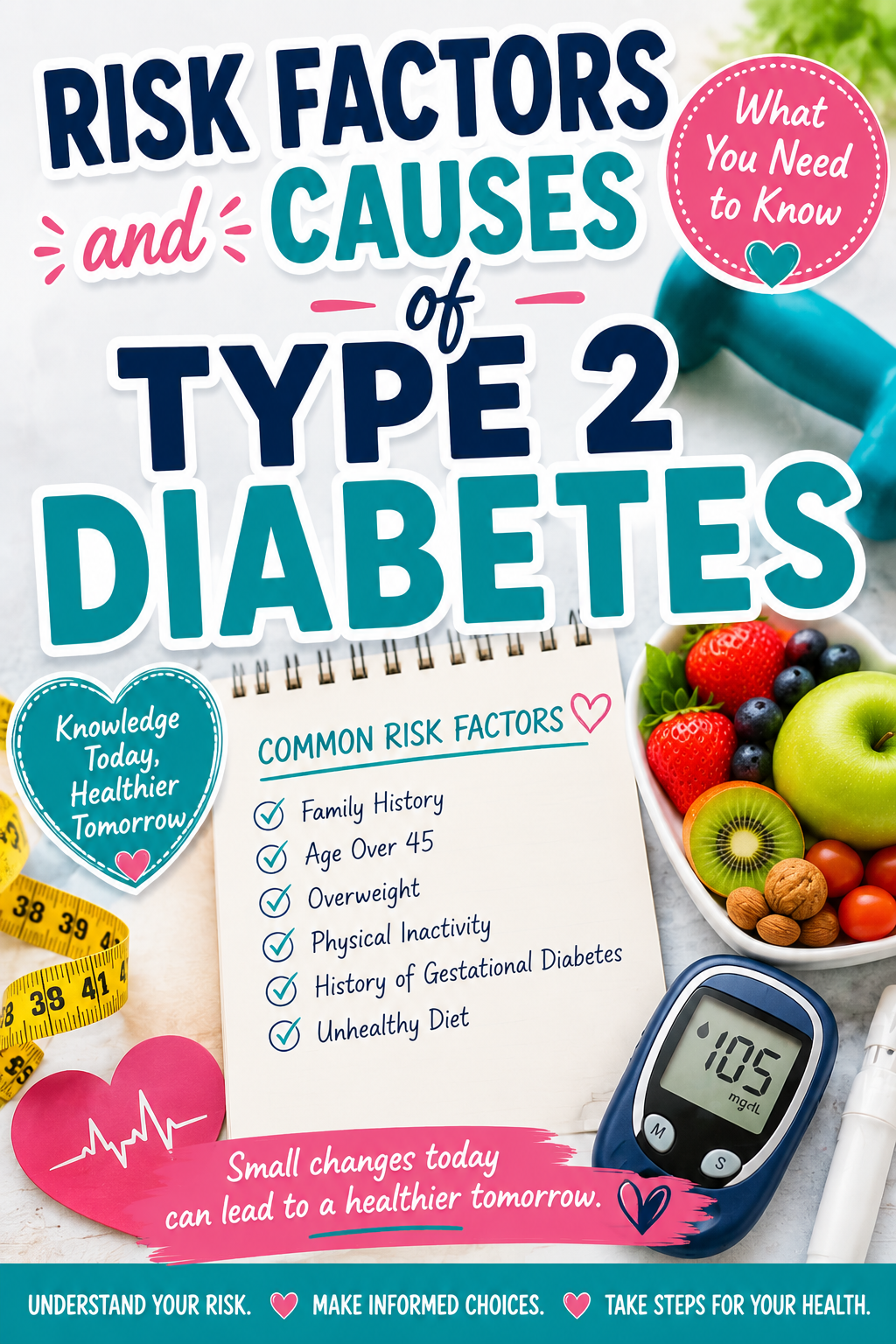
Several risk factors can increase the likelihood of developing type 2 diabetes. Some risk factors are controllable, while others are not.
Being Overweight or Obese
Excess body weight, especially around the abdomen, is one of the strongest risk factors for type 2 diabetes. Belly fat is closely linked to insulin resistance.
Even modest weight loss can improve insulin sensitivity and lower diabetes risk.
Physical Inactivity
Regular physical activity helps the body use insulin more efficiently. A sedentary lifestyle can contribute to weight gain and insulin resistance.
Simple activities like walking, swimming, biking, or dancing can help improve blood sugar control and overall health.
Age
The risk of type 2 diabetes increases with age, especially after age 45. However, younger adults, teens, and even children are being diagnosed more frequently due to rising obesity rates and lifestyle factors.
Family History
Having close relatives with type 2 diabetes significantly increases the risk. Family history may combine both genetic and lifestyle influences.
Prediabetes
Prediabetes occurs when blood sugar levels are higher than normal but not yet high enough for a diabetes diagnosis. Many people with prediabetes eventually develop type 2 diabetes if changes are not made.
The encouraging news is that lifestyle changes can often reverse prediabetes.
Poor Diet
A diet high in processed foods, refined carbohydrates, sugary drinks, and unhealthy fats may increase diabetes risk.
Balanced meals that include vegetables, lean proteins, whole grains, fiber, and healthy fats can support stable blood sugar levels.
High Blood Pressure and Cholesterol
People with high blood pressure, low HDL (“good”) cholesterol, or high triglycerides may have a greater risk of developing type 2 diabetes.
These conditions are often connected to metabolic syndrome, which increases the risk for both diabetes and heart disease.
Gestational Diabetes
Women who develop gestational diabetes during pregnancy may have a higher risk of developing type 2 diabetes later in life.
Sleep Problems and Stress
Poor sleep habits, chronic stress, and conditions like sleep apnea may also affect blood sugar regulation and insulin sensitivity.
Can Type 2 Diabetes Be Prevented?
While not every case can be prevented, many people can lower their risk by making healthy lifestyle choices.
Here are some simple ways to help reduce the risk of type 2 diabetes:
- Stay physically active most days of the week
- Maintain a healthy weight
- Eat balanced meals with plenty of fiber-rich foods
- Limit sugary drinks and highly processed foods
- Get enough quality sleep
- Manage stress levels
- Schedule regular checkups and blood sugar screenings
Even small changes can make a meaningful difference over time.
Why Early Awareness Matters
Type 2 diabetes often develops gradually, and symptoms may appear slowly or go unnoticed at first. Some people may experience increased thirst, frequent urination, fatigue, blurry vision, or slow-healing wounds.
Because the condition can develop quietly, regular health screenings are important, especially for people with multiple risk factors.
Early diagnosis and treatment can help reduce the risk of serious complications, including heart disease, kidney disease, nerve damage, and vision problems all from increased blood sugar.
Final Thoughts
Understanding the risk factors and causes of type 2 diabetes can empower people to take charge of their health. While genetics and age may play a role, lifestyle choices can also have a major impact on prevention and management.
By focusing on healthy habits, regular movement, balanced nutrition, and early medical care, many people can reduce their risk and improve their long-term well-being.
Sources
- American Diabetes Association
https://diabetes.org/about-diabetes/type-2-diabetes - Centers for Disease Control and Prevention (CDC)
https://www.cdc.gov/diabetes/about/about-type-2-diabetes.html - Mayo Clinic
https://www.mayoclinic.org/diseases-conditions/type-2-diabetes/symptoms-causes/syc-20351193
Medical Disclaimer
This article is for educational purposes only and is not intended to replace professional medical advice, diagnosis, or treatment. Always consult your healthcare provider regarding your health and treatment plan.
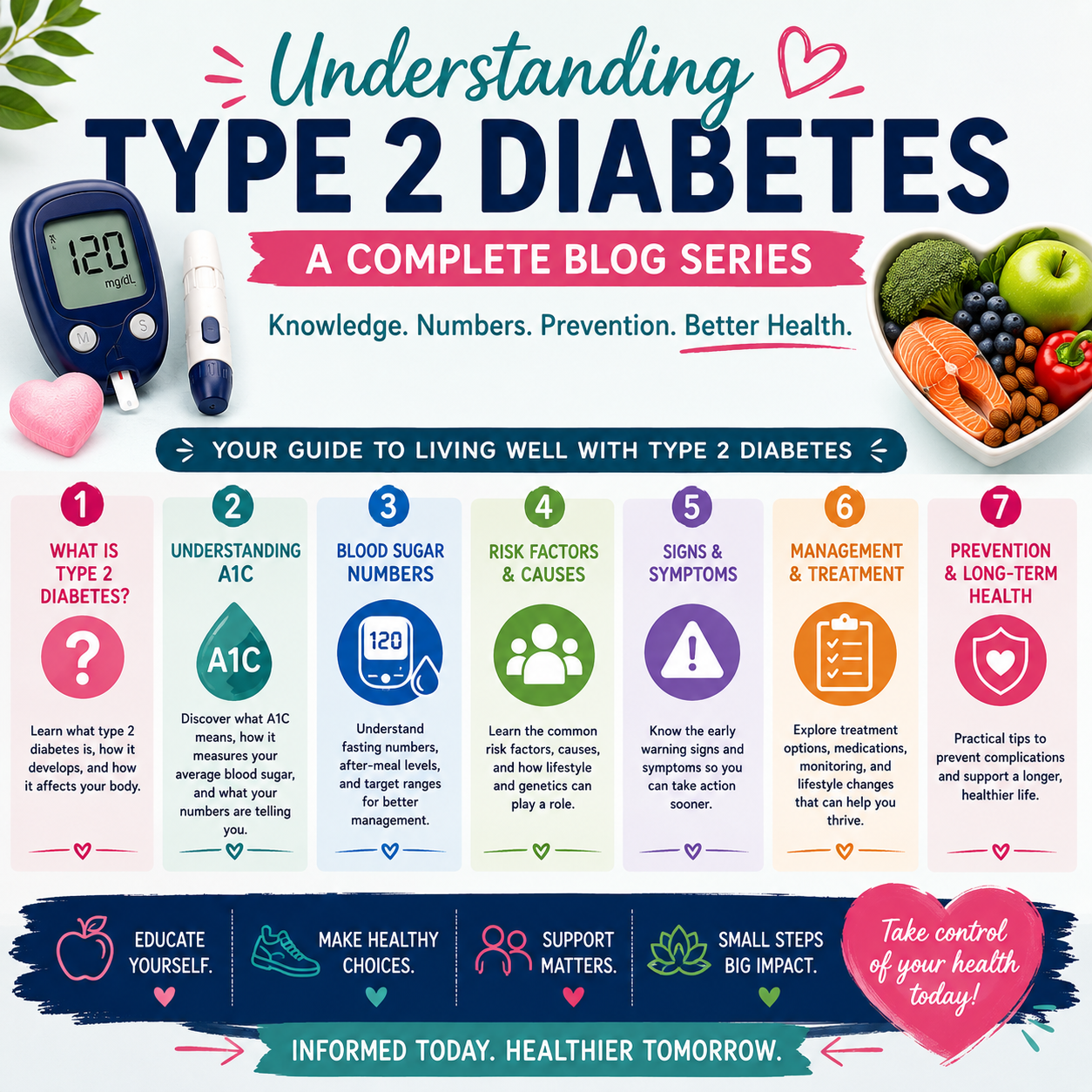
Read more about diabetes in our Understanding Diabetes blog series!

Üsküdar Tavan Su Kaçağı Tespiti Asansör boşluğundaki kaçağı bile buldular, gerçekten başarılılar. https://profit.pakistantoday.com.pk
Üsküdar Acil Su Kaçağı Tespiti Tesisat kaçağı kısa sürede tespit edildi. https://ivebo.co.uk/read-blog/62393