
What Should Your Blood Sugar Be? Fasting and After-Meal Ranges Explained
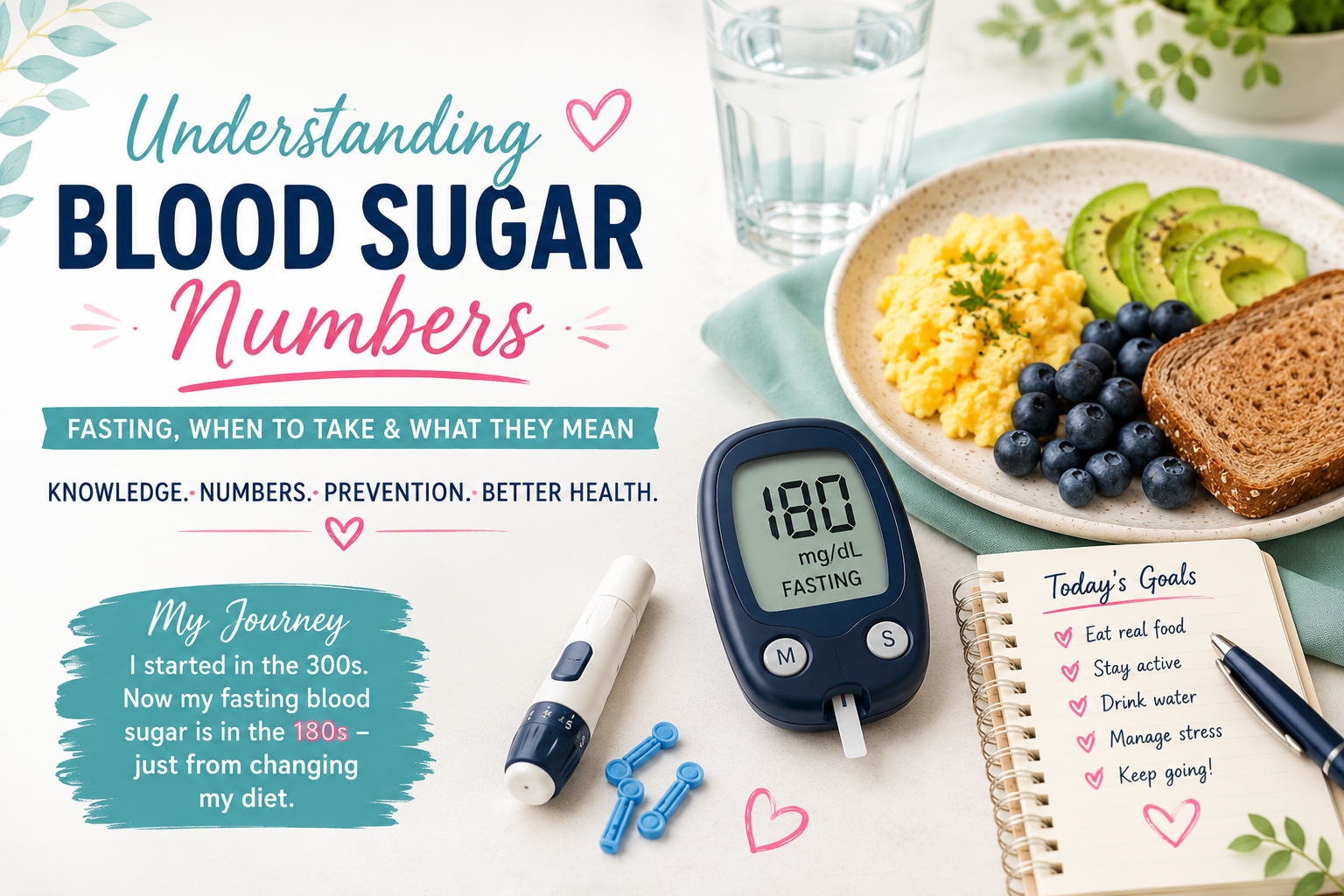
When I was first diagnosed with Type 2 diabetes, my blood sugar readings were regularly in the 300s. Seeing numbers that high was overwhelming and honestly a little scary. But once I began making changes to my diet, I started seeing real progress. Today, my fasting blood sugar is down to the 180s, and that improvement happened simply by changing what I eat.
Understanding blood sugar numbers can help you make sense of what your body is telling you. Whether you test first thing in the morning, before meals, or after eating, each reading provides useful information about how food, stress, sleep, and activity affect your glucose levels.
The good news is that every small change adds up. In this guide, we’ll break down fasting blood sugar, target ranges, when to test, and what your numbers mean so you can feel more confident and motivated on your diabetes journey.
What Are Blood Sugar Numbers?
Blood sugar numbers show how much glucose is circulating in your bloodstream at a given moment. They are usually measured in milligrams per deciliter (mg/dL).
These readings help you understand:
- How your body responds to food
- Whether medications are working
- How stress and sleep affect glucose
- If your diabetes management plan is helping
While A1C shows your average over several months, daily glucose checks show what is happening right now.
Why Understanding Blood Sugar Numbers Matters
Checking your blood sugar gives you real-time feedback .A1C is an average over 3 months.
It can help you:
- Identify patterns and trends
- See which foods raise your glucose
- Prevent dangerously high or low readings
- Track your progress
- Stay motivated
When my numbers were in the 300s, I felt discouraged. But as I changed my diet and watched my readings improve, those numbers became a source of encouragement rather than fear.
Fasting Blood Sugar: What It Means
Fasting blood sugar is your glucose level after not eating for at least 8 hours, usually first thing in the morning before breakfast.
This reading is important because it shows how your body manages glucose overnight.
Fasting Blood Sugar Ranges
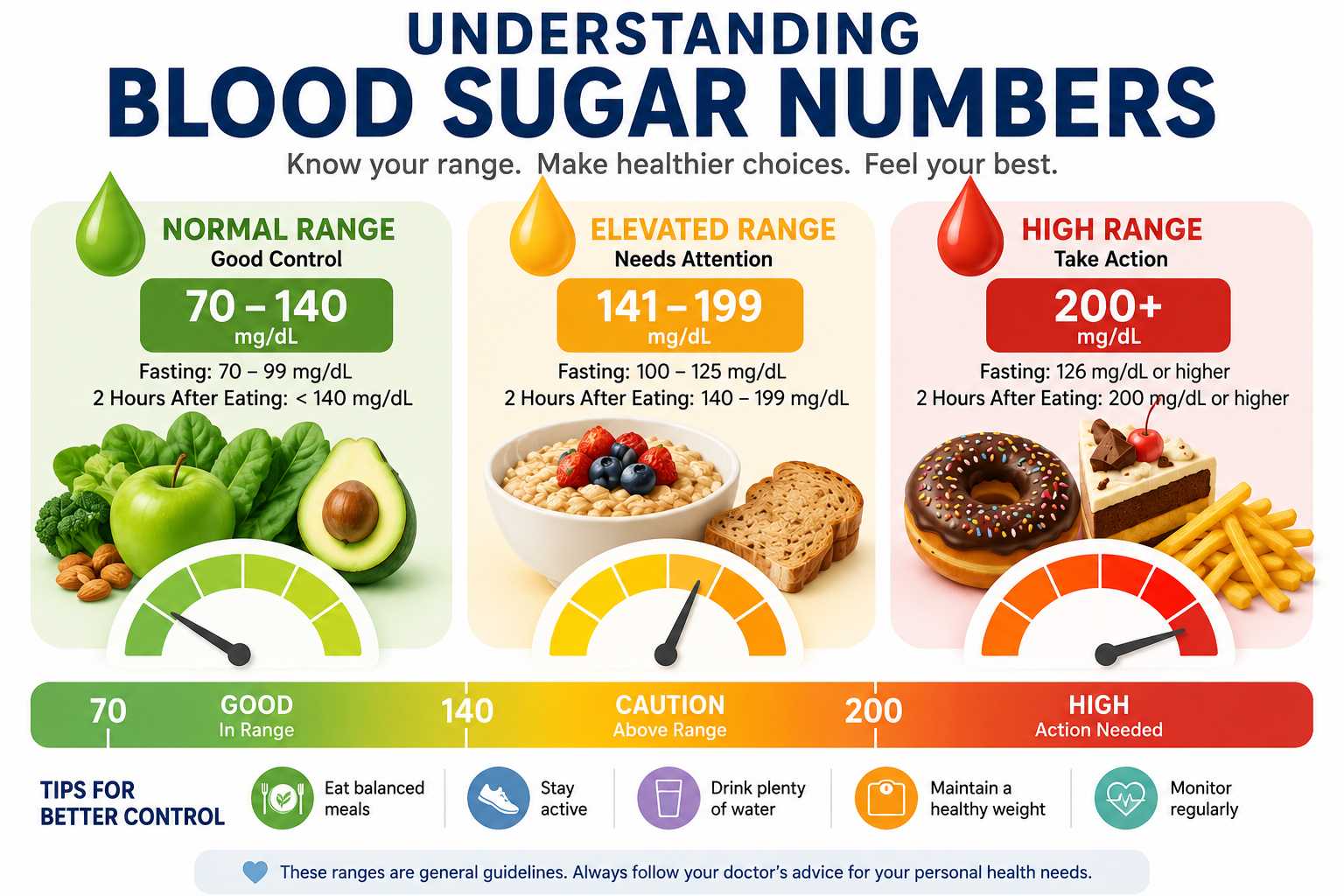
| Fasting Blood Sugar | Meaning |
|---|---|
| 70–99 mg/dL | Normal |
| 100–125 mg/dL | Prediabetes |
| 126 mg/dL or higher | Diabetes |
For many adults with diabetes, a common fasting goal is 80–130 mg/dL, though your healthcare provider may set a different target.
Blood Sugar Before Meals
Testing before meals shows your baseline glucose level.
Typical pre-meal targets for many adults with diabetes are:
- 80–130 mg/dL
If your numbers are consistently above your target range, it may be helpful to review food choices, medication timing, or activity levels with your healthcare provider.
Blood Sugar 1–2 Hours After Meals
Post-meal readings show how food affects your blood sugar.
A common goal for many adults with diabetes is:
- Less than 180 mg/dL two hours after the first bite of a meal
These readings can reveal which foods or portion sizes cause larger spikes.
When to Check Your Blood Sugar
Your healthcare provider will recommend a testing schedule based on your treatment plan.
Common times to test include:
- First thing in the morning (fasting)
- Before meals
- Two hours after meals
- Before bedtime
- When you feel symptoms of high or low blood sugar
- During illness
If you are just getting started, fasting and occasional after-meal testing can provide valuable insight.
What Causes Blood Sugar to Rise?
Blood sugar can increase due to:
- High-carbohydrate meals
- Sugary drinks
- Stress
- Illness
- Poor sleep
- Certain medications
- Lack of physical activity
One of the biggest lessons I’ve learned is how dramatically food choices can affect my numbers.
What Causes Blood Sugar to Drop?
Blood sugar may decrease because of:
- Taking diabetes medication
- Skipping meals
- Eating fewer carbohydrates than usual
- Increased physical activity
- Drinking alcohol on an empty stomach
If you experience symptoms such as shakiness, sweating, or confusion, follow your healthcare provider’s instructions for treating low blood sugar.
My Personal Progress: From the 300s to the 180s
When I first started testing, my glucose readings were often in the 300s. I felt overwhelmed and worried about what that meant for my health.
Instead of trying to change everything overnight, I focused on improving my diet. I reduced sugary foods, paid closer attention to carbohydrates, and made more balanced meal choices.
Today, my fasting blood sugar is in the 180s. I still have work to do, but seeing this progress reminds me that small, consistent changes can make a real difference.

Tips to Improve Your Blood Sugar Numbers
Focus on Balanced Meals
Pair protein, healthy fats, fiber, and controlled portions of carbohydrates.
Limit Sugary Drinks
Choose water, unsweetened tea, or other sugar-free beverages.
Move More
Even a short walk after meals can help lower glucose.
Get Enough Sleep
Poor sleep can raise blood sugar levels.
Manage Stress
Stress hormones can increase glucose.
Track Your Numbers
Patterns are more important than any single reading.
Questions to Ask Your Doctor
- What blood sugar targets are right for me?
- How often should I test?
- What should I do if my numbers stay high?
- Are my medications working as expected?
- Should I meet with a diabetes educator or dietitian?
Final Thoughts
Understanding blood sugar numbers can feel overwhelming at first, but they are powerful tools that help guide your decisions.
If your numbers are currently high, remember that progress is possible. I’ve already brought my fasting blood sugar down from the 300s to the 180s just by changing my diet, and I know there is still more improvement ahead.
Every healthy choice matters. One meal, one day, and one reading at a time.
Sources
- American Diabetes Association – Checking Your Blood Glucose
- Centers for Disease Control and Prevention – Managing Blood Sugar
- Mayo Clinic – Blood Sugar Testing
Medical Disclaimer
This article is for educational purposes only and is not intended to replace professional medical advice, diagnosis, or treatment. Always consult your healthcare provider regarding your health and treatment plan.
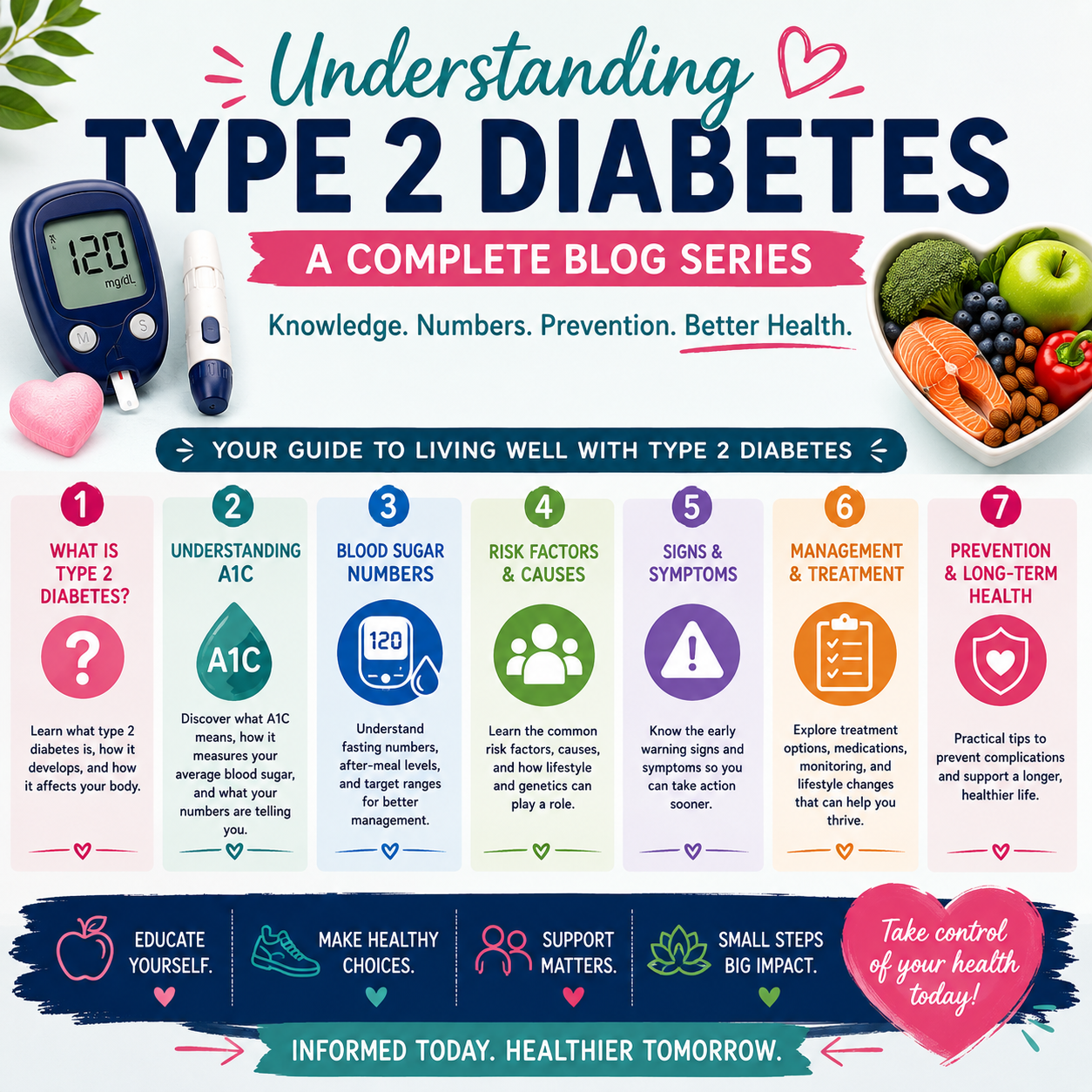
Read more about diabetes in our Understanding Diabetes blog series!

This is a crucial guide on bio-data literacy. Understanding these numbers is essentially mastering personal system optimization. Just as tracking glucose levels requires precision, recognizing patterns in any complex system-be it health or even managing resources via a platform like ph85 login-requires diligent, continuous monitoring. Small behavioral changes yield massive results!