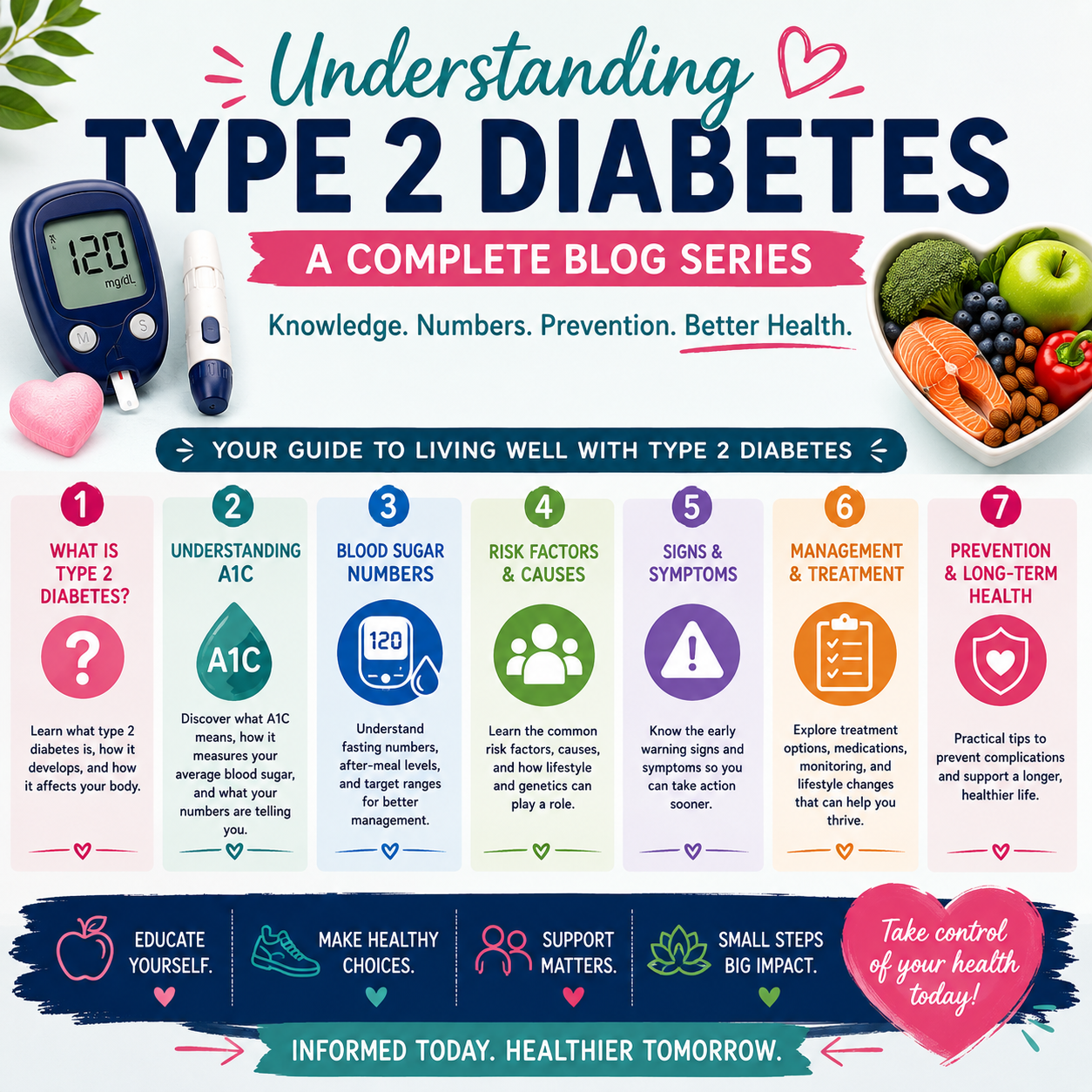
A1C Explained: What Blood Sugar Numbers Mean for Type 2 Diabetes
When I first saw my latest lab results, I was shocked. I didn’t realize I had type 2 diabetes until my lab work results. My A1C had climbed to 11.7%, a huge jump from 6.5% just one year ago. Even though I knew I had been struggling, seeing that number in black and white was a wake-up call. If you’re feeling overwhelmed by your results, you’re not alone. Understanding A1C and blood sugar numbers is one of the most important steps you can take toward improving your health.
I’ll be honest—those numbers were scary. But they also gave me clarity. Instead of guessing, I now had a clear picture of what was happening inside my body. My doctor and I began working on a plan to bring my blood sugar back under control through better eating habits, more movement, and consistent monitoring.
The good news is that A1C numbers can improve. Whether your A1C is slightly elevated or much higher than you expected, understanding what these numbers mean can help you make informed decisions and track your diabetic progress over time.
What Is A1C?
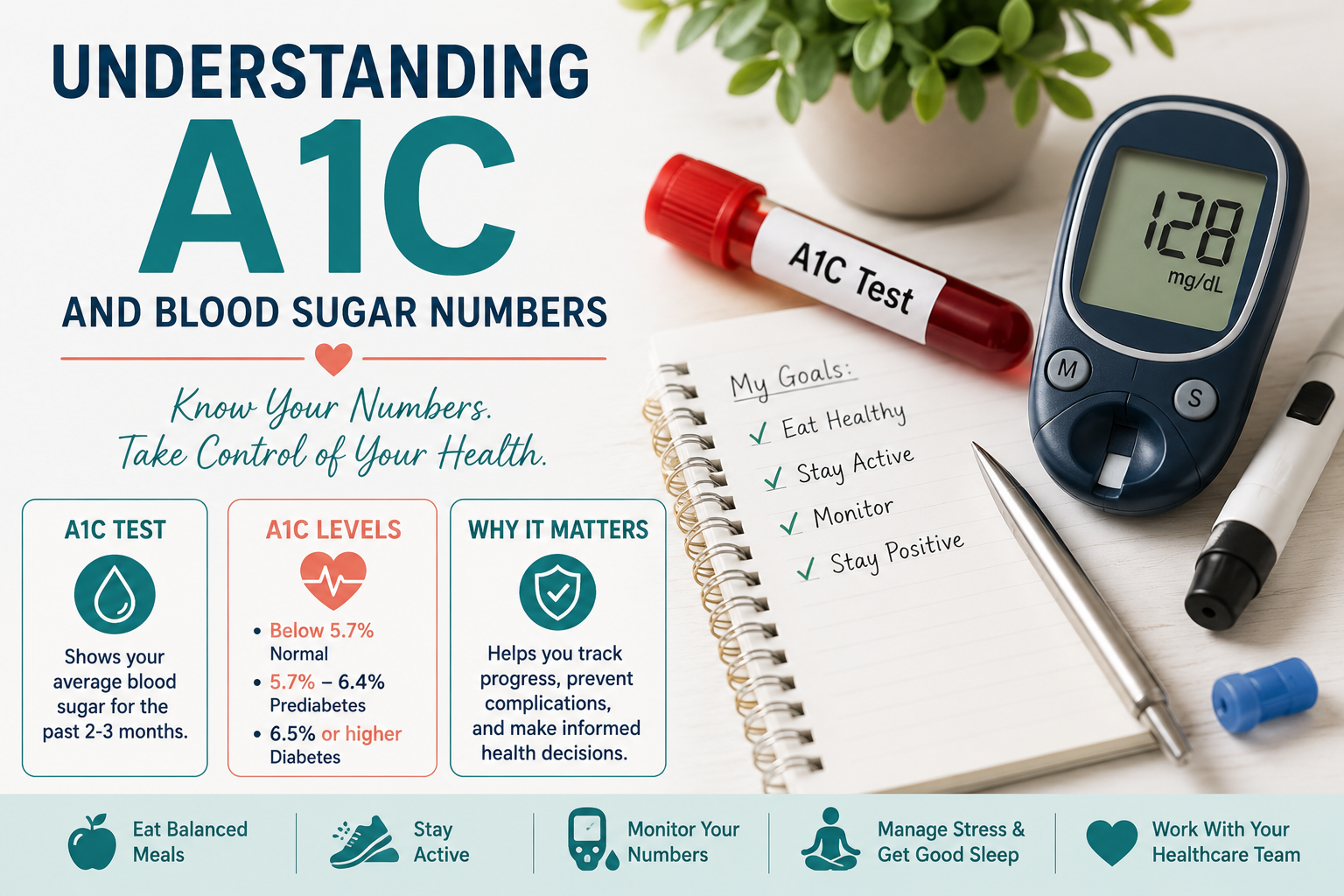
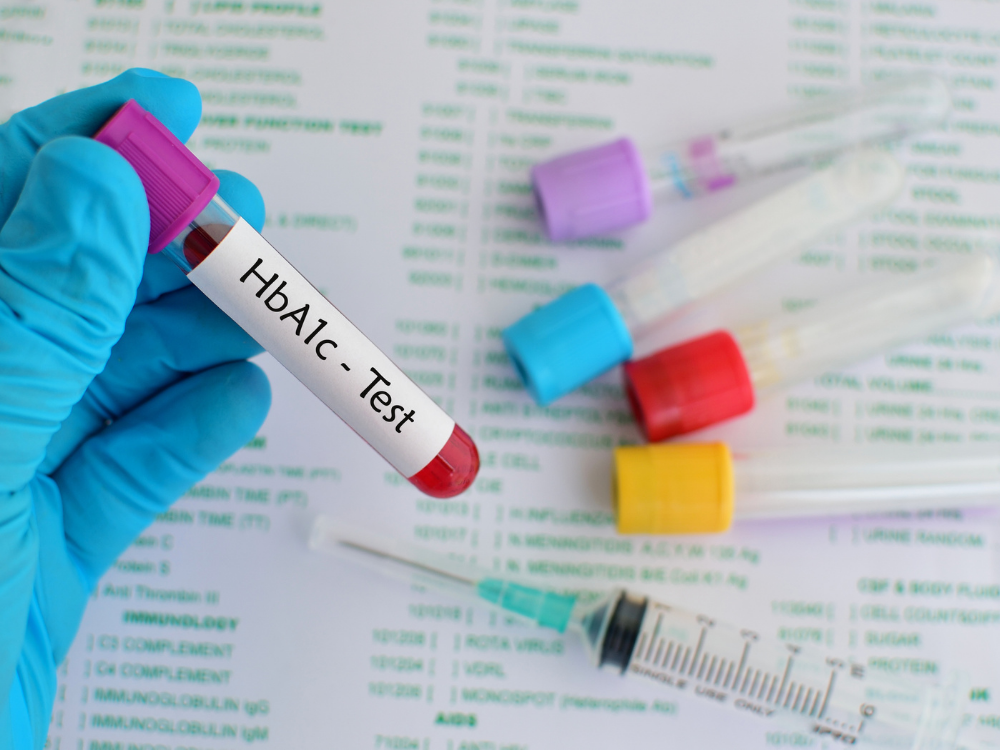
A1C (also called HbA1c or glycated hemoglobin) is a blood test that measures your average blood sugar over the past two to three months.
When glucose circulates in your bloodstream, some of it attaches to hemoglobin in your red blood cells. The A1C test measures the percentage of hemoglobin coated with sugar.
Because red blood cells live for about 90 to 120 days, the test provides a longer-term view of your blood sugar control than a single glucose reading.
Why Understanding A1C Matters
Understanding A1C helps you:
- See how well your diabetes management plan is working
- Track progress over time
- Identify trends before complications develop
- Discuss treatment adjustments with your healthcare provider
- Stay motivated by measurable improvements
When I saw my A1C rise to 11.7, it became clear that my blood sugar had been running high for quite some time. That number gave me the push I needed to make changes.
A1C Ranges and What They Mean
| A1C Level | Meaning |
|---|---|
| Below 5.7% | Normal |
| 5.7% to 6.4% | Prediabetes |
| 6.5% or higher | Diabetes |
Common Diabetes Goals
Many adults with diabetes aim for an A1C below 7%, but goals vary based on age, overall health, and medical history. Your healthcare provider will help determine the right target for you.
What Does an A1C of 11.7 Mean?
An A1C of 11.7% indicates significantly elevated average blood sugar.
This corresponds to an estimated average glucose (eAG) of approximately 289 mg/dL. Sure enough, when I checked with fasting blood sugar, it was around 300. Just 10 days later, it’s down to an average of 190.
Seeing a number this high can feel discouraging, but it is also an opportunity to take action. Many people are able to lower their A1C substantially with medical support and consistent lifestyle changes.
Estimated Average Glucose (eAG)
The A1C test can be converted into an estimated average glucose number that looks more like the readings you see on a glucose meter.
| A1C | Estimated Average Glucose |
|---|---|
| 6.0% | 126 mg/dL |
| 6.5% | 140 mg/dL |
| 7.0% | 154 mg/dL |
| 8.0% | 183 mg/dL |
| 9.0% | 212 mg/dL |
| 10.0% | 240 mg/dL |
| 11.0% | 269 mg/dL |
| 11.7% | 289 mg/dL |
Understanding Daily Blood Sugar Numbers
Fasting Blood Sugar (Before Eating)
| Range | Meaning |
|---|---|
| 70–99 mg/dL | Normal |
| 100–125 mg/dL | Prediabetes |
| 126 mg/dL or higher | Diabetes |
Blood Sugar 1–2 Hours After Meals
Many adults with diabetes are advised to aim for a post-meal glucose level below 180 mg/dL, though individualized goals may differ.
Why Blood Sugar Numbers Fluctuate
Blood sugar levels can be affected by:
- Carbohydrate intake
- Physical activity
- Stress
- Illness
- Sleep quality
- Medications
- Hormonal changes
- Dehydration
One thing I’ve learned on this journey is that a single high reading does not define your success. Patterns over time matter much more.
How Often Should A1C Be Checked?
The American Diabetes Association generally recommends:
- Every 3 months if your treatment has changed or your diabetes is not well controlled
- Every 6 months if your blood sugar is stable and meeting goals
Your doctor may recommend more frequent monitoring depending on your situation.
Tips to Lower Your A1C
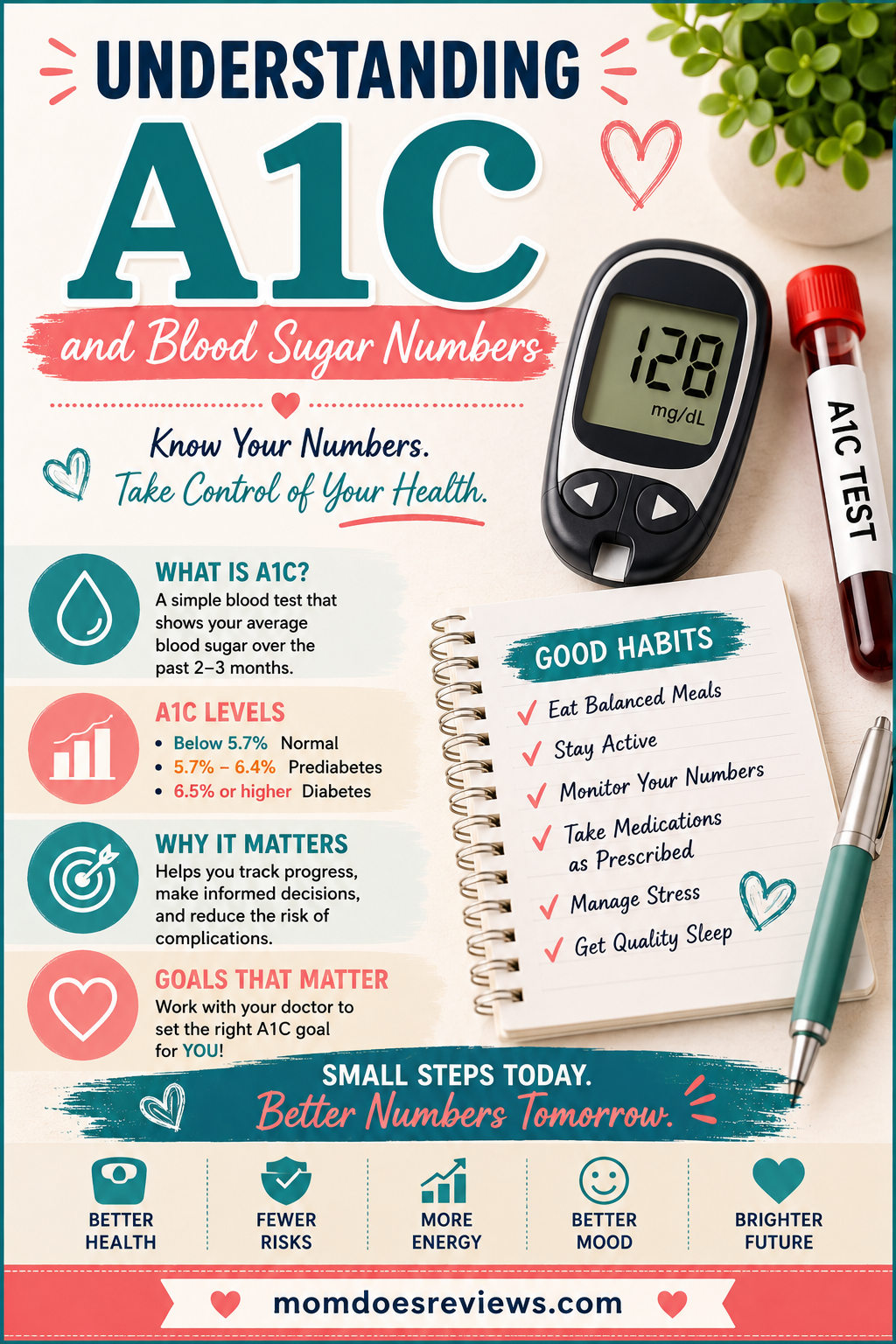
Focus on Balanced Meals
Choose lean protein, vegetables, healthy fats, and fiber-rich carbohydrates.
Reduce Added Sugars
Limit sugary drinks, desserts, and highly processed snacks.
Move Your Body
Even a 10- to 20-minute walk after meals can help lower blood sugar.
Take Medications as Prescribed
Consistency is key.
Monitor Your Glucose
Tracking your numbers can reveal what helps and what doesn’t.
Manage Stress and Sleep
Both can have a significant impact on blood sugar.
My Personal A1C Wake-Up Call
Going from 6.5 to 11.7 in one year was not the news I wanted to hear. At first, I felt frustrated and worried. But I also realized that this number was not a judgment—it was information. I hadn’t done anything wrong.
Now I’m taking things one day at a time. I’m learning more about what affects my blood sugar, making better food choices, and celebrating small wins along the way. If your numbers are higher than expected, please know that improvement is possible.
Questions to Ask Your Doctor About Your A1C
- What is my target A1C?
- How often should I test my blood sugar?
- What changes can help lower my A1C?
- Do my medications need adjustment?
- Should I meet with a diabetes educator or dietitian?
Final Thoughts
Understanding A1C and blood sugar numbers can feel overwhelming at first, but these numbers are powerful tools. They help you understand where you are and guide you toward better health.
Whether your A1C is 6.5, 11.7, or somewhere in between, every positive step matters. Progress happens over time, and each healthy choice can move you in the right direction.
Medical Disclaimer
This article is for educational purposes only and is not intended to replace professional medical advice, diagnosis, or treatment. Always consult your healthcare provider regarding your health and treatment plan.
Sources: Information in this article is based on educational resources from the American Diabetes Association (ADA), the Centers for Disease Control and Prevention (CDC), and Mayo Clinic.
Read more about diabetes in our Understanding Diabetes blog series!