4 Easy Costumes For History Projects
The most accessible, easy medieval history project costumes ideas for kids include a knight, a villager, a royal guard, and a fantasy-inspired character. These options require minimal crafting and turn basic household items into memorable school costume ideas. These historical dress-up day outfits solve the familiar panic of a looming project deadline without requiring a sewing machine.
By starting with simple everyday clothing and adding just one or two well-chosen details, parents can create stress-free and accurate history project costumes.
Idea 1: The Knight
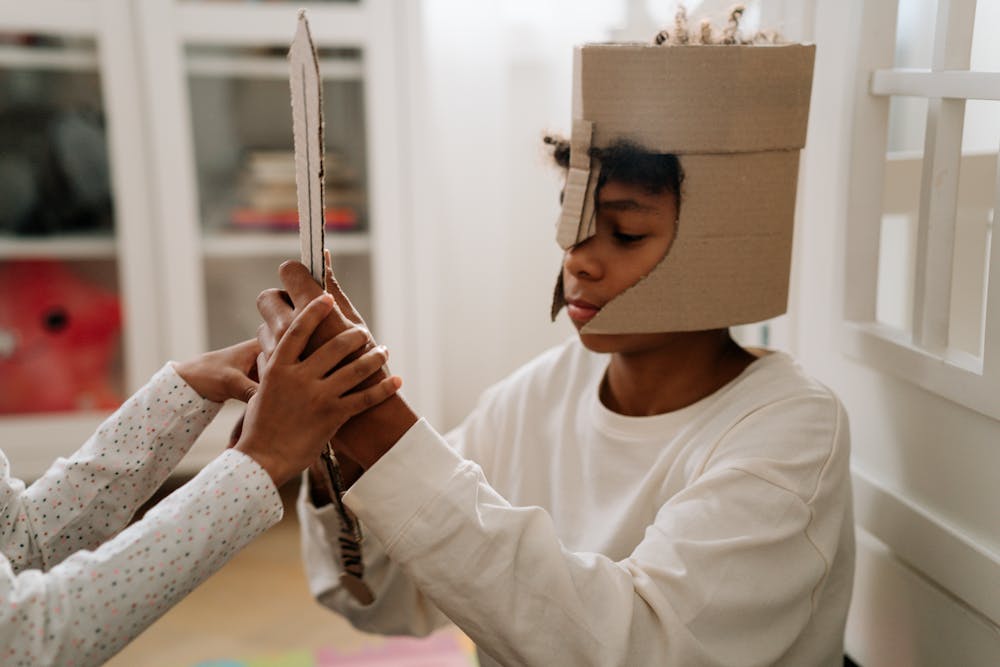
Image by Cottonbro Studio from Pexels
A knight costume is the defining figure of the medieval world and a recognizable history lesson in visual form.
The accessible base begins with grey or silver clothing paired with a cardboard sword. You can easily cut a painted shield from a cereal box or foam board for quick assembly.
However, when a child wants to feel genuinely armored, especially one inspired by the jousting warriors they cheered for during a Medieval Times family experience, a single well-chosen detail makes a profound difference.
For parents who want to move beyond cardboard, browsing Medieval Collectibles’ versatile medieval armor costume pieces for kids and adults offers an easy way to elevate the look.
Adding one authentic piece, like a chainmail hood or a simple metal-finish shield, transforms the outfit.
These medieval elements layer effortlessly over any basic outfit for a confident class presentation.
Local theatrical suppliers and neighborhood costume shops also carry similar accessories, giving parents multiple unlinked options depending on budget.
| Pro Tip: Focus on one high-quality accessory like a metal-finish shield or chainmail coif. A single authentic piece draws attention away from basic silver clothing and makes the entire costume look professionally made. |
Idea 2: The Medieval Villager
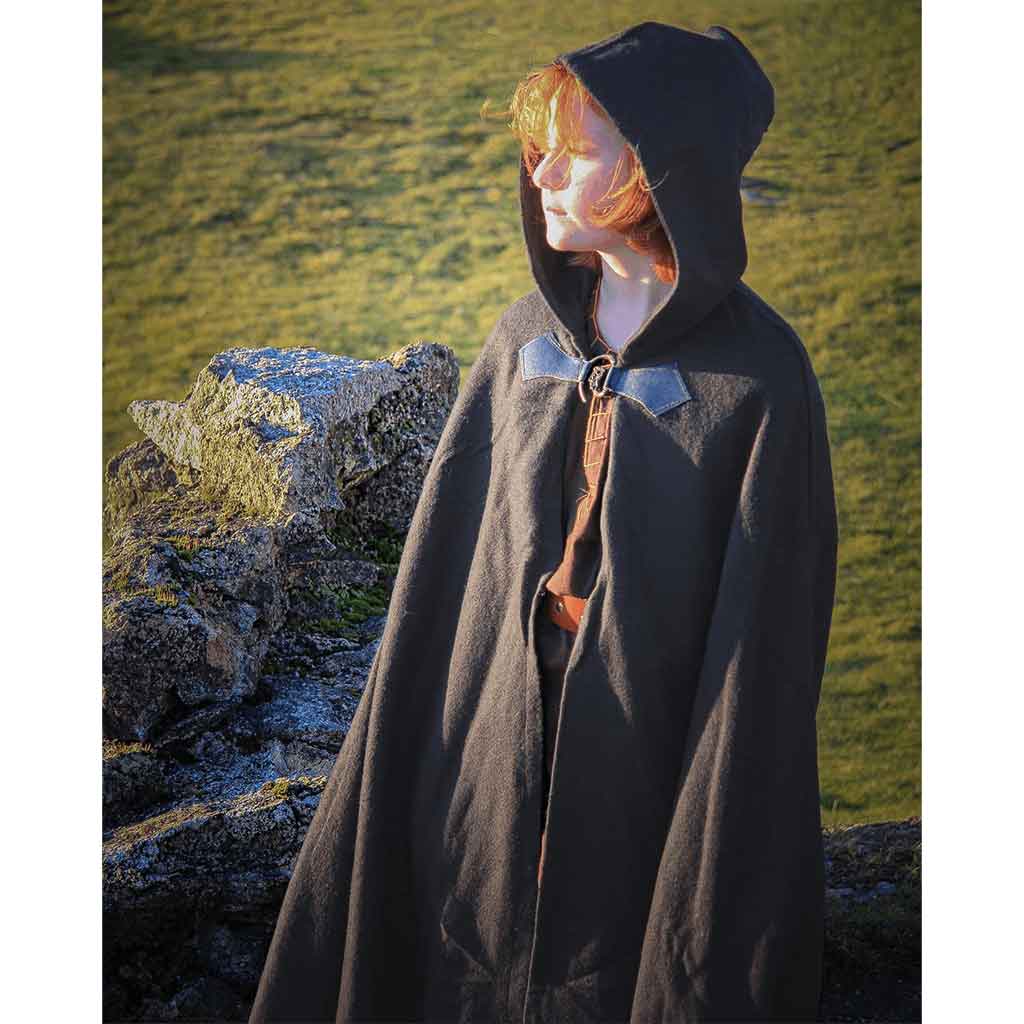
Image from Medieval Collectibles
A medieval villager outfit is highly accessible since almost everything needed is likely already in the house.
The core elements consist of an oversized cotton shirt worn as a tunic and a rope belt cinched at the waist.
You can complete the base with plain trousers or a long earth-tone skirt. Adding thrift store finds like a burlap apron or small cloth pouches adds excellent visual depth.
Historically, villagers formed the vast majority of medieval society, making this costume a rich subject for oral history presentations.
To deepen the educational value, pair the outfit with a short handwritten character card describing this historical role.
Idea 3: The Royal Guard
The royal guard offers a visually commanding option that works beautifully for individuals or groups.
The foundation requires basic dark clothing topped with a homemade sleeveless tabard. For beginners, a tabard is essentially two fabric panels connected at the shoulders to display loyal colors.
No sewing is required if fabric glue is on hand to attach the pieces securely.
Cut fabric scraps in bold colors like red or deep blue for the tabard base. Next, attach a simple heraldic crest, like a lion or a crown-shaped cut from contrasting felt.
A cardboard shield painted with the matching crest ties the whole look together beautifully. Two or three students dressed identically as a royal guard unit create a genuinely memorable collaborative class presentation.
| Key Insight: Use fabric glue instead of sewing to create a bold heraldic tabard. This simple sleeveless garment provides a uniform look that is perfect for students working together on a group history presentation. |
Idea 4: The Fantasy-Inspired Historical Character
This option serves as the creative wildcard because it is inspired by real history but offers ample room for storytelling.
Excellent character choices include a traveling bard, a woodland ranger, or a young noble heir. Each role has firm historical grounding while allowing kids to express their unique personalities.
Bards were respected storytellers preserving oral history, while rangers protected the woodland borders of noble estates.
Core elements vary by role depending on the specific path a student selects. A bard needs a cloak and a small cardboard lute, while a ranger utilizes earth tones and a rolled cardboard quiver.
A noble heir requires a craft-foam crown paired with a rich-colored tunic. Mixing one store-bought item with handmade props is the perfect formula to encourage students to write a brief character biography.
Making It Happen
Image by Anastasia Shuraeva from Pexels
What often feels like a problem the night before a presentation is actually an invitation to try something genuinely interesting.
The most effective school projects never rely on complex construction or stressful deadlines. They rely instead on a clear character concept and a little creative confidence from both parents and students.
By mixing thrift store finds and household fabrics, parents can assemble outfits that are visually impressive.
Whether trying out these ideas for the first time or returning to a seasonal tradition, the process should be engaging.
Bringing history to life makes school projects genuinely fun to inhabit rather than a chore to complete.
A little imagination ensures that historical dress-up day outfits become memorable educational tools.
| Medieval Collectibles is the leading online retailer of authentic medieval replicas and fantasy collectibles for history enthusiasts, reenactors, and collectors worldwide. |

This reminds me that even seemingly simple, historical projects require attention to detail and resource management. Whether it’s crafting a perfect shield or optimizing a digital experience, the key is authentic detail. It’s like finding the right level of service, whether for a project or accessing premium rewards through a platform like ph90 vip. Great educational ideas!