Your central furnace often pushes heated air through long sheet-metal ducts hidden in freezing attics and unconditioned crawlspaces. By the time that supply air reaches your living room registers, massive thermal losses have already cooled the airflow, leaving distinct rooms uncomfortably chilly. Targeted heating technology with zoned heat pump technology changes this dynamic by moving thermal management directly into the living spaces where you spend your time. Stepping away from leaky central ductwork lets you control room temperatures with precision while cutting unnecessary heating expenses.
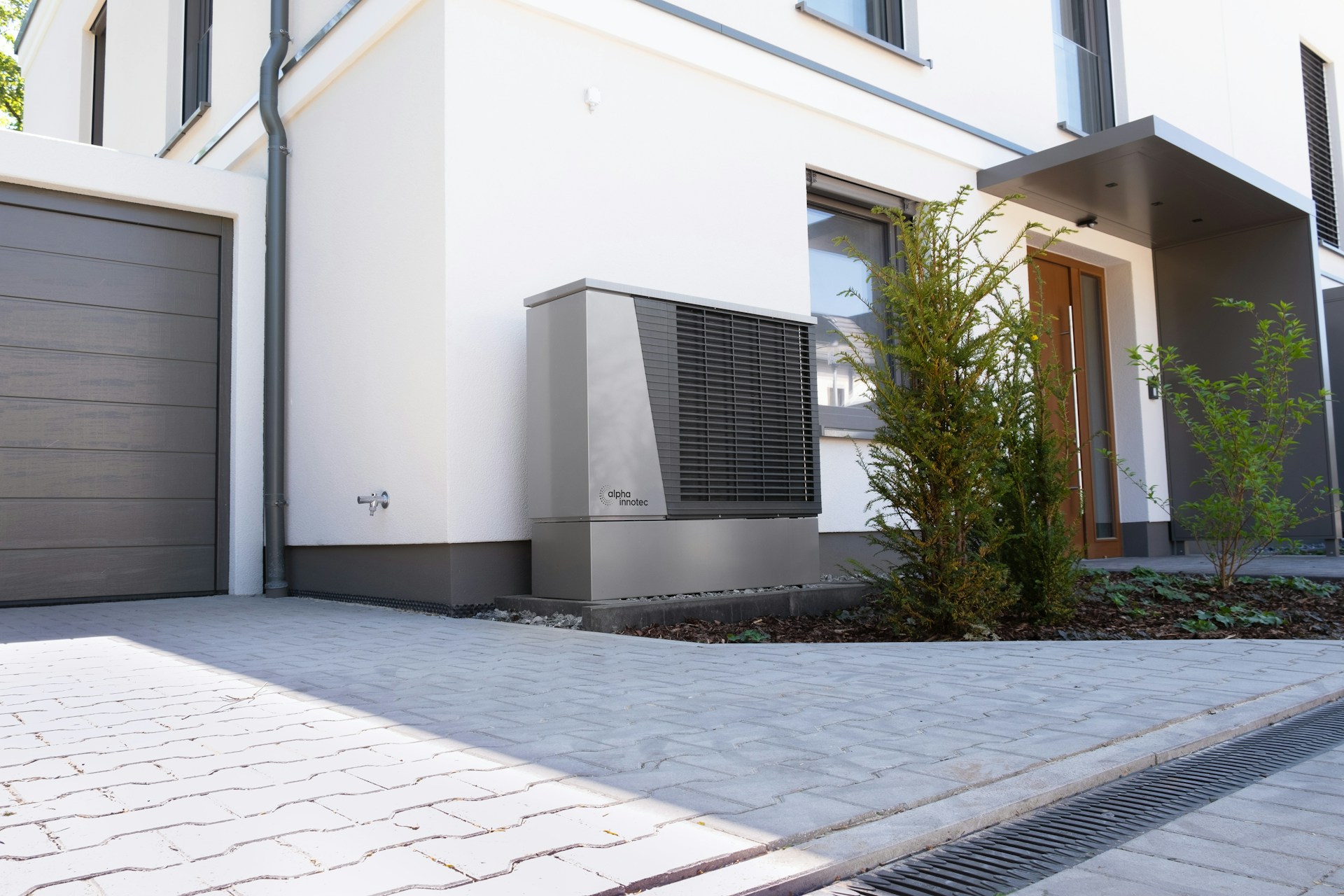
Why Do Traditional Ducts Waste So Much Energy?
Conduction loss drains thermal efficiency whenever conditioned air travels through unheated spaces. Metal duct runs function like giant radiators in reverse, dumping heat into your attic long before that air reaches your registers. Leaky joints and poor insulation worsen these losses, forcing your system to run longer cycles just to satisfy a distant thermostat.
Variable-refrigerant technology bypasses this flaw by replacing bulky ducts with small, insulated line sets. Refrigerant lines deliver thermal energy straight to individual indoor air handlers with virtually no conduction loss along the route. Your heating equipment delivers almost every unit of energy directly into your living space, keeping heat exactly where you want it.
How Do Modular Systems Shape Modern Living?
Centralized heating treats an entire house like one single room, creating persistent temperature mismatches between upstairs bedrooms and main-floor living spaces. One family member shivers in a north-facing office while another feels overheated in the kitchen.
You resolve these conflicting comfort preferences by dividing your floor plan into independent heating zones. When you install modular ductless mini splits across your primary living areas, your family can set custom temperatures in occupied rooms without wasting power on empty guest spaces. This zoned configuration tailors energy output to real-time room needs instead of blasting heat across vacant hallways.
Market research from Future Market Insights indicates that multi-zone configurations capture 58.7% of the system market, showing that property owners strongly favor localized climate control over uniform heating. You gain the flexibility to heat only the rooms you use during the day, keeping your living space comfortable while holding utility bills down.
Can Historic Architecture and Room Additions Support Zoned Upgrades?
Older properties present unique heating challenges because original builders never planned for bulky sheet-metal ductwork. Installing traditional duct networks often requires cutting through antique plaster, dropping historic ceilings, or removing vintage closet space.
Zoned equipment avoids this structural disruption by utilizing slim refrigerant lines that slip neatly behind walls or between structural studs. You preserve the original character of your home while enjoying dependable climate management in every corner.
Retrofitting Character Homes Without Structural Damage
Non-invasive installation methods make zoned heat pumps an ideal match for character properties and recent home additions. Technicians run slim copper lines through small 3-inch wall penetrations, connecting your indoor units to an outdoor compressor without damaging historic carpentry.
Strategic Steps for Preserving Wall Integrity
- Run discreet conduit lines: Position copper piping along exterior corners or inside decorative chase moldings.
- Select compact indoor heads: Mount low-profile wall or floor units that blend seamlessly with your interior trim.
- Isolate sunroom additions: Provide new living areas with independent temperature control without overloading your central equipment.
Data published by Consumer Reports reveals that installing heat pumps in residences built before 1970 typically costs $3,500 more than in newer construction, with expenses rising roughly $670 for every additional 100 square feet. Planning conduit routes through existing utility chases helps protect your investment and avoids unnecessary carpentry bills.
What Drives Superior Long-Term Operating Efficiency?
Standard furnaces operate on a rigid all-or-nothing cycle: they burn full fuel until reaching the thermostat setpoint, then power down completely. This frequent on-off cycling causes noticeable temperature swings and pulls heavy electrical surges each time the motor restarts.
Variable-speed inverter technology eliminates these wasteful power spikes. Inverter compressors adjust their motor speed in small increments to match the exact heating demand of your home. Operating continuously at lower speeds uses less electricity while maintaining an even indoor temperature day and night.
How Do You Map Out Strategic Temperature Zones?
Effective system design starts with studying how your household moves through your home during a typical week. Grouping rooms with similar sun exposure or occupancy schedules prevents unnecessary heating cycles.
You can keep home offices and living areas warm throughout daylight hours while allowing bedrooms to stay cooler until bedtime. Grouping spaces by real daily use keeps your heating output aligned with your family lifestyle.
Cut Seasonal Electric Consumption Through Targeted Operation
Concentrating heating output where you actually spend your time generates immediate savings on your winter electric bills. You stop pouring expensive warm air into spare bedrooms, formal dining rooms, and basement storage zones.
Lowering demand in unused rooms reduces the total workload on your outdoor compressor. Your system runs at peak efficiency, avoiding mechanical strain and lowering your monthly energy overhead.
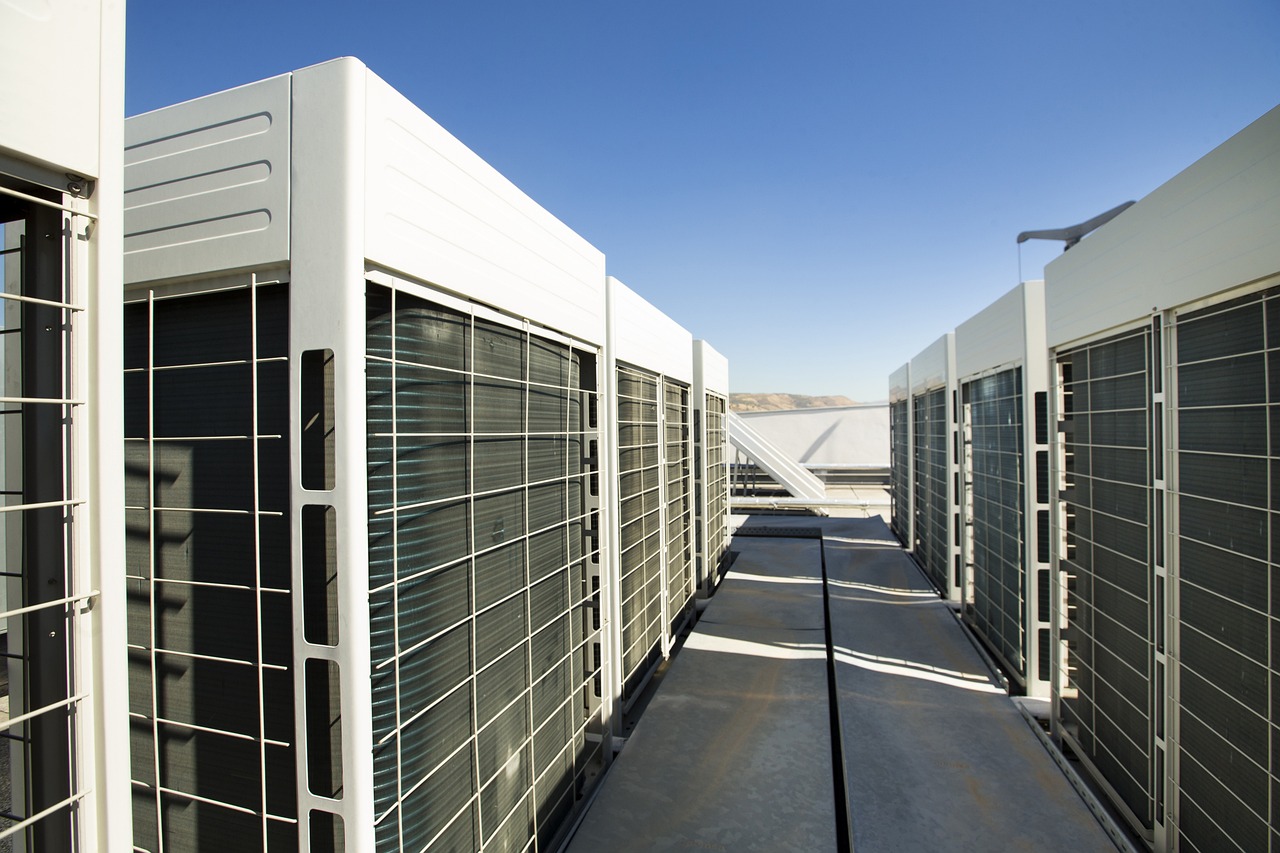
Upgrading to a zoned heat pump setup gives your household precise control over room temperatures while eliminating high heating expenses. You replace drafty rooms and unbalanced airflow with smooth, reliable warmth tailored to your daily schedule. Directing conditioned air straight to the spaces you use keeps your home comfortable, functional, and energy-efficient throughout the coldest months of the year.
