Two cotton totes can look almost identical in a photograph and behave completely differently in the hand. The difference is in the specification, chiefly the weight of the fabric and the length and construction of the handles, and it is the part of the buying decision most likely to be skipped and most likely to cause regret. A little fluency in tote bag spec lets you order the right bag with confidence rather than discovering the mismatch when the delivery arrives.
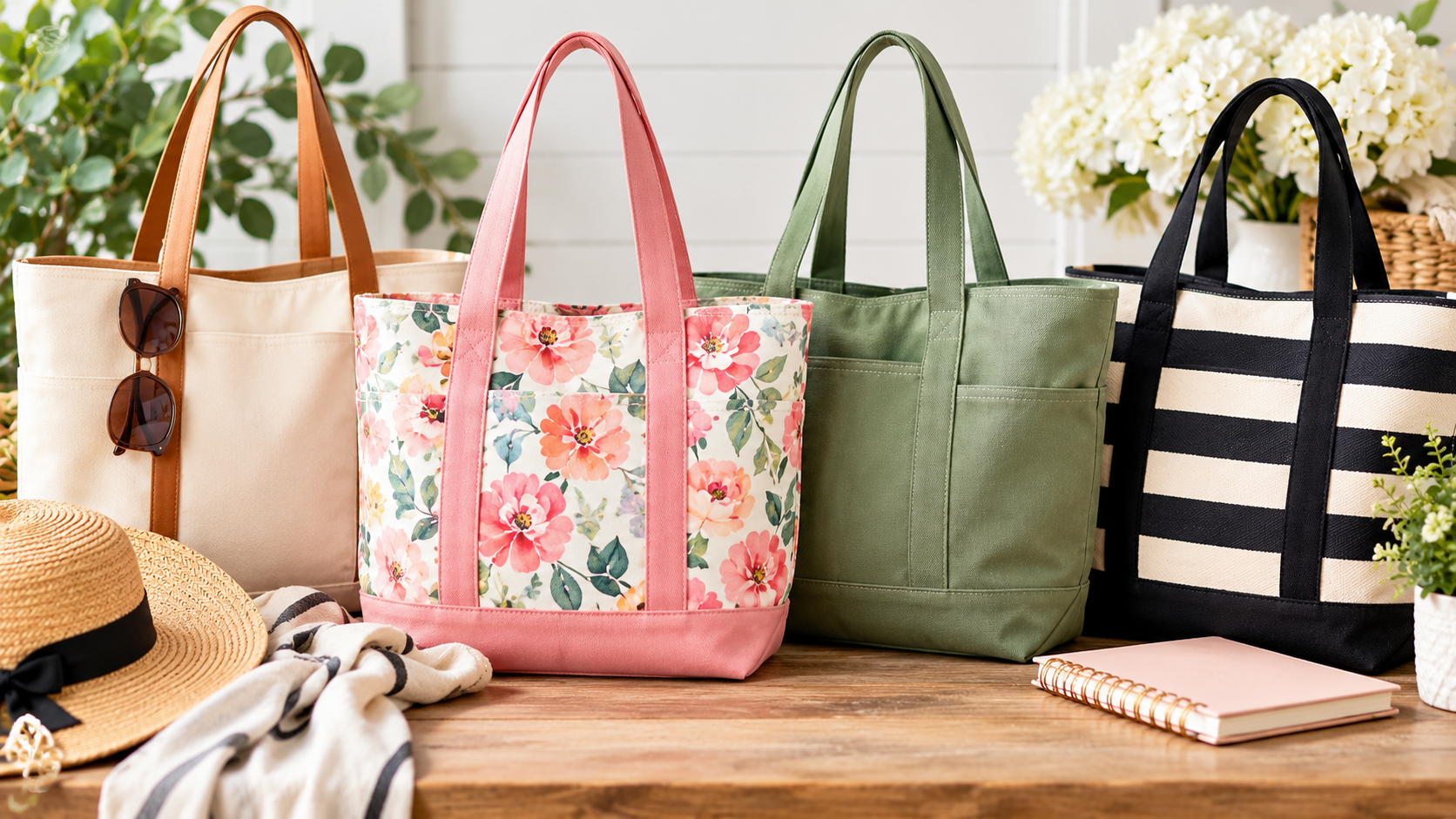
Compare Weight
Cotton weight is quoted in ounces, and it is the single most informative number on the spec sheet. Lighter cottons, around four to five ounces, are the affordable, high-volume choice: perfectly good for event giveaways and mass distribution where the priority is reach and budget. Heavier cottons and canvas, from roughly eight ounces up into the teens, are noticeably more substantial, structured enough to stand up on their own, and clearly a keep item. The weight you choose should follow the job. Do not pay for ten-ounce canvas if you are handing out five thousand bags at a fun run, and do not put a premium retail purchase in a flimsy five-ounce bag that undersells it. Comparing weights side by side is the quickest way to calibrate, and you can do that across GoPromotional’s custom-printed tote bags to feel the difference the numbers describe.
Handle length
Handle length is the second decision, and it changes the use-case entirely. Long handles are designed to sit over the shoulder, which makes the bag comfortable for a full shopping trip and therefore more likely to be used repeatedly in public. Short handles are for hand carry, which suits an event bag or a document tote that is picked up and put down rather than worn. If your goal is repeated public visibility, long handles are almost always the right call, because a bag worn on the shoulder through a high street generates far more impressions than one carried by hand for a single errand. If the bag is for carrying paperwork between meetings, short handles are fine and often preferable.
Check these construction details
Beyond weight and handles, a few construction details are worth checking. A gusset, the expanding panel at the base and sides, turns a flat bag into one that can hold a proper shop’s worth of goods, which matters if the bag is meant to function as a genuine shopper rather than a slim giveaway. Stitching quality at the handle join is where cheap bags fail first, so it is worth asking about reinforcement there. And the print area, the flat usable panel for your design, varies with the bag’s cut, so confirm your artwork fits comfortably rather than assuming a logo will scale to any bag.
The material underneath the spec interacts with all of this. A heavier cotton takes a heavier, more detailed screen print well and reads as premium. A lightweight natural cotton is ideal for a bold, simple, high-contrast logo and high volumes. Jute brings a coarse-weave rustic look but limits fine detail. Non-woven polypropylene is the budget lightweight option for mass giveaways. Recycled cotton and rPET carry the eco credentials, with rPET additionally able to take full-color dye-sublimation that cotton cannot. Spec and material are really one combined decision, not two separate ones.
Ask these questions
A useful way to cut through the options is to start from three questions. How long do you need this bag to last and be used? That sets the weight. How will it be carried, on the shoulder for shopping or in the hand for an event? That sets the handle length. And what does the print need to do, a bold logo or a full-color design? That sets the material and print method together. Answer those three and the specification narrows quickly to a shortlist you can compare on price and appearance.
Don’t ignore the Specs
The most common and costly mistake is optimizing for unit price alone and ignoring spec entirely. The cheapest bag on a list is usually the lightest, with the shortest lifespan and the least comfortable carry, which means it is often the worst value once you account for how quickly it stops being used. A slightly heavier, better-constructed bag that gets kept and carried for years delivers far more brand exposure per pound spent. The spec sheet is not fussy detail; it is where the value of the whole order is decided.
Check the numbers
So before you sign off a tote order, spend two minutes on the numbers. Note the cotton weight, check the handle length against how the bag will actually be used, confirm the gusset and print area suit the job, and only then compare prices. It is a small amount of diligence that separates a bag that does exactly what you needed from one that technically arrived but never gets used, and the difference between those two outcomes is the entire return on the spend.
