Why Proactive Preparation Matters Before Triple-Digit Heat Hits
As July 2026 rolls in, bringing with it the promise of scorching triple-digit temperatures, the importance of preparing our home’s cooling systems cannot be overstated. Waiting until the mercury climbs to extreme levels is a gamble that often leads to discomfort, unexpected expenses, and even safety risks. Proactive preparation is our best defense against the summer heat.
One of the most compelling reasons for early preparation is the sheer number of preventable failures. Statistics show that approximately 80% of air conditioning failures that occur during the first major heat wave are entirely preventable with spring preparation. This staggering figure highlights how simple, timely maintenance can avert major headaches. When we neglect our systems, we’re not just risking a breakdown; we’re inviting one.
The “peak season rush” is another critical factor. As soon as the first heatwave hits, HVAC technicians in Albuquerque and across the country become overwhelmed with service calls. This means longer wait times for repairs, often stretching into days or even weeks, leaving families to suffer in sweltering homes. By scheduling maintenance before the peak demand, we ensure our systems are checked and serviced at our convenience, avoiding the frantic scramble when temperatures soar.
Furthermore, supply chain delays, a persistent concern in recent years, can exacerbate the problem. Critical HVAC components, from compressors to specialized parts, can face shortages, leading to significant delays in residential repairs. A proactive check can identify potential issues that might require specific parts, allowing us to order them well in advance and avoid being caught without a functioning AC during a heat emergency.
Proper maintenance significantly impacts our system’s lifespan. Well-maintained systems can last 15 to 20 years, whereas neglected ones may fail as early as the 10-year mark. This means a substantial difference in long-term investment and avoiding premature, costly replacements. For those looking for comprehensive support in maintaining their home’s cooling and heating infrastructure, understanding the full scope of available HVAC and plumbing services can be invaluable. It’s about more than just a quick fix; it’s about ensuring our home systems are robust and reliable for years to come.
Essential DIY Steps to Prepare Your Home’s Cooling System
While professional tune-ups are indispensable, there are several essential DIY maintenance steps we can take as homeowners to prepare our AC systems for the triple-digit heat. These tasks are relatively simple, require minimal tools, and can significantly improve efficiency and prevent common problems.
Maintaining Airflow and Filters
The air filter is the first line of defense for our AC system and one of the easiest components to maintain. A clogged air filter is a major culprit behind reduced efficiency and system strain. A clogged air filter causes the blower motor to work twice as hard, potentially causing the evaporator coil to freeze solid.
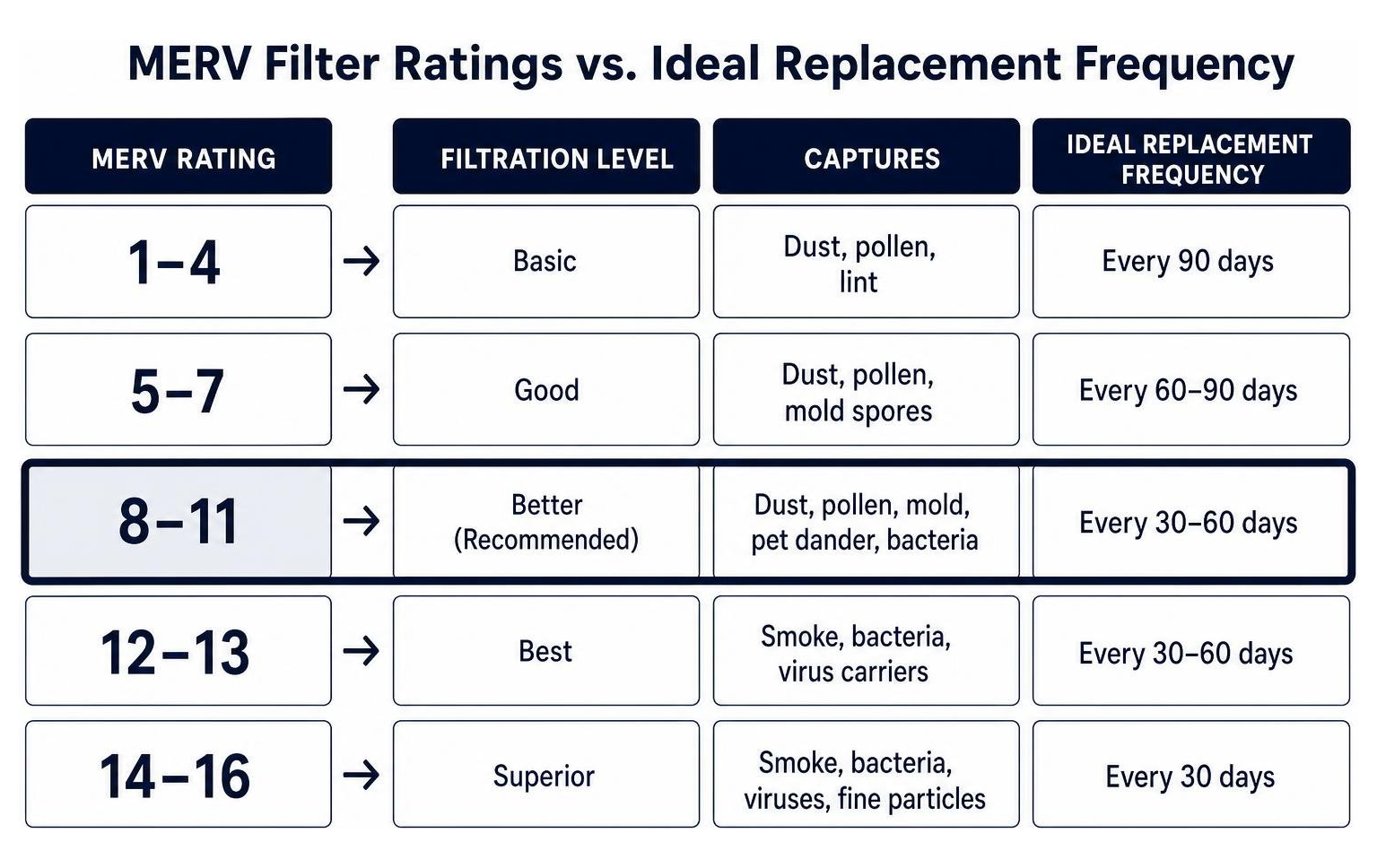
We should aim to replace our air filters every 30 to 90 days, or even more frequently in dusty environments like Albuquerque, or if we have pets or allergy sufferers in the home. To check if a filter needs replacing, we can perform a “light test”: hold the filter up to a light source. If we can’t see light passing through, it’s time for a new one.
When choosing filters, consider those with a MERV (Minimum Efficiency Reporting Value) rating of 8 to 11. These filters strike a good balance between trapping airborne particles and maintaining proper airflow. Higher MERV ratings (12+) offer superior filtration but can restrict airflow, increasing static pressure and potentially straining the system if not designed for it. Always ensure the filter size matches our unit’s specifications.
Cleaning the Outdoor Condenser Unit
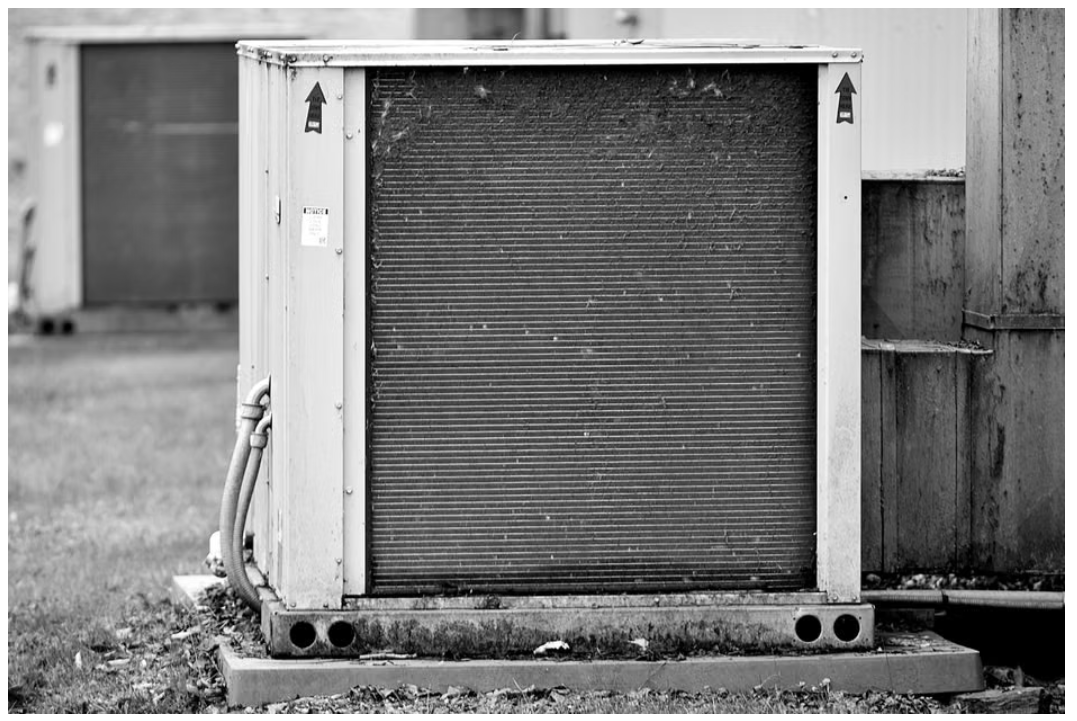
Our outdoor condenser unit works by releasing heat from our home into the outside air. If it’s covered in dirt, leaves, or debris, it can’t do its job effectively. Dirty coils can reduce heat transfer efficiency by 10% to 30%, meaning our unit has to run longer and work harder to achieve the same temperature.
To clean the condenser unit, first, ensure the power is completely shut off at the outdoor disconnect switch and the main breaker panel to prevent accidental startup. Then, carefully clear away any leaves, grass clippings, or other debris from around the unit, maintaining at least two feet of clearance on all sides. We can gently rinse the condenser fins with a garden hose, spraying from the inside out if possible, to dislodge any accumulated dirt. Avoid using a pressure washer, as it can bend the delicate fins. After cleaning, ensure the unit is dry before restoring power.
When to Schedule Professional HVAC and Plumbing Services
While DIY tasks are helpful, a professional AC tune-up is a crucial step that homeowners should never skip. It’s the best way to ensure our system is operating at peak efficiency and to catch potential problems before they lead to costly breakdowns. When should we schedule this? Ideally, in the spring, before the triple-digit heat arrives. In Albuquerque, this means March through early May, allowing us to avoid the rush and ensure our system is ready.
What a Professional AC Tune-Up Includes
A comprehensive professional AC tune-up typically includes a multi-point inspection and servicing that goes far beyond what most homeowners can do themselves. Here’s what we can expect:
- Refrigerant Level Check: Technicians will check the refrigerant (Freon) levels. Low refrigerant can indicate a leak, which reduces cooling capacity and efficiency. They will also inspect for signs of leaks. Homeowners need EPA certification to handle refrigerant, so this is strictly a professional task.
- Electrical Connections and Components: Loose or corroded electrical connections can lead to system malfunctions or even safety hazards. Professionals will inspect and tighten all connections, check capacitors, relays, and wiring for wear or damage.
- Coil Cleaning: While we can rinse the outdoor condenser, professionals have specialized tools to thoroughly clean both the outdoor condenser coils and the indoor evaporator coil. Dirty coils significantly impede heat transfer, reducing efficiency by 10% to 30%.
- Condensate Drain Line Inspection and Clearing: The condensate drain line removes moisture from the indoor unit. If it becomes clogged, it can lead to water leaks, mold growth, and even system shutdown. Technicians will ensure it’s clear and flowing properly.
- System Operation and Performance Check: This includes checking thermostat accuracy, measuring airflow, evaluating temperature differential (supply vs. return air), and assessing overall system performance to ensure it’s meeting manufacturer specifications.
- Lubrication and Belt Checks: Moving parts like motors and fans require proper lubrication. Technicians will also inspect fan belts for wear and tear.
Why You Need Comprehensive HVAC and Plumbing Services in Summer
In a climate like Albuquerque, our cooling needs are diverse, and sometimes extend beyond just central AC. Many homes rely on evaporative coolers, also known as swamp coolers, which are highly effective in our dry heat. These systems have unique maintenance needs, including checking and replacing swamp cooler pads, ensuring the float valve is working correctly, and managing hard water buildup that can cause clogs and reduce efficiency.
Comprehensive HVAC and plumbing services ensure all aspects of our home’s comfort systems are integrated and functioning optimally. For instance, plumbing issues like leaks in water lines feeding a swamp cooler can not only waste water but also lead to system inefficiencies. A professional can address these specific challenges, ensuring that our chosen cooling method, whether it’s central AC or an evaporative cooler, is prepared for the extreme demands of summer. This holistic approach helps extend the system’s longevity, ensuring well-maintained AC systems last 15-20 years compared to 10 years for neglected ones, and prevents unexpected breakdowns when we need them most.
Recognizing the Warning Signs of AC Failure in Extreme Heat
Even with the best preparation, our AC systems can sometimes struggle or show signs of impending failure, especially when pushed to their limits by triple-digit heat. Recognizing these warning signs early can prevent minor issues from escalating into major, costly repairs. AC units are most prone to breaking when under maximum strain during extreme heat, making early detection critical.
Troubleshooting Common Issues with HVAC and Plumbing Services
Here are some critical indicators that our AC system might be failing and what they could mean:
- Warm Air from Vents: If our AC is running but blowing warm or lukewarm air, it’s a clear sign of a problem. This could be due to low refrigerant, a compressor issue, a frozen evaporator coil, or a malfunctioning fan.
- Frozen Evaporator Coils or Refrigerant Lines: Seeing ice on the copper lines or the indoor coil indicates a serious issue. This is often caused by restricted airflow (dirty filter, blocked vents), low refrigerant, or a faulty blower motor. A clogged air filter, for example, can cause the blower motor to work twice as hard, leading to the evaporator coil freezing solid.
- Water Pooling Around the Indoor Unit: Water leaks can be a sign of a clogged condensate drain line or a cracked drain pan. If left unaddressed, this can lead to water damage, mold growth, and potential electrical hazards.
- Rapid Cycling (Short Cycling): If our AC unit turns on and off frequently, it’s “short cycling.” This can be caused by an oversized system, low refrigerant, electrical issues, or a faulty thermostat. It reduces efficiency and puts undue stress on the compressor.
- Tripped Circuit Breakers: A repeatedly tripping circuit breaker associated with the AC unit suggests an electrical problem. This could be a faulty motor, a short circuit, or the unit drawing too much power due to a component failure.
- Unusual Noises or Smells: Grinding, squealing, banging, or clanking noises often point to mechanical issues within the unit. Musty smells can indicate mold in the ductwork or condensate drain, while a burning smell could signal an electrical problem.
- High Humidity Indoors: If our home feels sticky despite the AC running, the system might not be effectively removing humidity. This can be due to an oversized unit, a dirty evaporator coil, or a refrigerant issue.
When we notice any of these signs, it’s crucial to act quickly. While some basic troubleshooting like checking the filter can be done, many of these issues require the expertise of a professional HVAC technician. Ignoring them can lead to complete system failure, which is far more expensive and inconvenient than addressing the problem early.
Beyond the AC: Passive Cooling and Car Preparation Strategies
Keeping our home cool in triple-digit heat isn’t solely about the AC unit. Integrating passive cooling techniques and ensuring our vehicles are also prepared are crucial steps for overall comfort and safety during summer.
Passive Home Cooling Techniques
These strategies help reduce the heat load on our homes, allowing our AC to work more efficiently or even providing comfort without mechanical cooling. Solar heat gain through windows can account for up to 30% of our cooling load, making window management a top priority.
- Window Coverings: Keep blinds, curtains, or shades closed, especially on south and west-facing windows during the hottest parts of the day. External shades or awnings are even more effective at blocking heat before it enters the home.
- Weatherstripping and Sealing Air Leaks: The average forced-air system loses 20% to 30% of conditioned air to duct leakage, but air leaks around windows and doors also allow hot air to infiltrate. Sealing these gaps with weatherstripping and caulk prevents hot air from entering and cool air from escaping.
- Ceiling Fan Direction: Ensure our ceiling fans are set to rotate counter-clockwise in the summer. This creates a downdraft, pushing air down and creating a wind-chill effect that can make us feel up to four degrees cooler, allowing us to set our thermostat a few degrees higher and save approximately 3% on cooling costs for every degree.
- Minimize Appliance Heat: Appliances like ovens, stoves, dishwashers, and clothes dryers generate significant heat. During heat waves, we should avoid using them during peak hours. Opt for outdoor grilling, microwave cooking, or doing laundry in the early morning or late evening. Switching to LED lighting also helps, as incandescent bulbs emit more heat.
- Strategic Ventilation: In the early morning or late evening when outside temperatures drop, we can open windows on opposite sides of the house to create a cross-breeze, flushing out trapped heat. Close them again before the outdoor temperature rises.
Preparing Your Vehicle’s Cooling System
Our cars face similar challenges in triple-digit heat, and an overheating engine can be dangerous and lead to costly repairs.
- Coolant Flush and Levels: Our car’s coolant (antifreeze) prevents the engine from overheating. We should check the coolant level regularly and ensure it’s between the “full” and “low” marks. Most manufacturers recommend a coolant flush every 30,000 to 50,000 miles or every 2-3 years, especially in hot climates.
- Hose and Belt Inspection: Inspect all hoses for cracks, bulges, or leaks, and check belts for fraying or looseness. These components are vital for the cooling system’s operation.
- Radiator Cap: A faulty radiator cap can prevent the cooling system from maintaining proper pressure, leading to overheating. Ensure it’s in good condition and seals tightly.
- Battery Health: Extreme heat can be even harder on car batteries than cold. Heat accelerates battery fluid evaporation and internal corrosion. Batteries that are 3+ years old are more likely to fail in extreme heat. Have our battery tested and ensure the terminals are clean and corrosion-free. In hot weather states, car batteries may only last about three years compared to five in cooler climates.
- AC Performance: Ensure our car’s AC is blowing cold. If it’s not, it could be low on refrigerant or have another issue. Driving with a struggling AC adds strain to the engine.
By addressing both our home and vehicle cooling systems, we can navigate the summer safely and comfortably.
Frequently Asked Questions About Summer Home Preparation
How often should I change my home’s air filters during high-heat months?
During high-heat months, especially in a dusty, windy climate like Albuquerque, we recommend changing our home’s air filters monthly. The increased operation of our cooling system, combined with high dust levels, means filters get clogged much faster. A dirty filter restricts airflow, forcing our AC to work harder, which wastes energy and reduces its lifespan. Using MERV 8-11 filters is a good balance for filtration and airflow.
Can a plumbing issue affect my home’s cooling or evaporative system?
Absolutely. For homes with evaporative (swamp) coolers, plumbing is directly integrated into the cooling system. Issues like a faulty float valve can lead to constant water flow, water waste, or insufficient water to the cooling pads. Leaks in the water lines supplying the swamp cooler can also lead to water damage and reduced cooling efficiency. Furthermore, hard water buildup, common in Albuquerque, can clog water distribution lines and cooling pads, impairing performance. Regular plumbing checks, especially for evaporative coolers, are vital for optimal cooling.
What should I do immediately if my air conditioner stops blowing cold air?
If our air conditioner suddenly stops blowing cold air during a heatwave, here’s what we should do:
- Shut Off the System: Turn the thermostat to the “off” position to prevent further damage.
- Check the Thermostat: Ensure it’s set to “cool” and the temperature is lower than the ambient room temperature. Replace batteries if it’s a battery-powered model.
- Inspect the Air Filter: A severely clogged filter can restrict airflow and cause the evaporator coil to freeze. If it’s dirty, replace it.
- Check the Outdoor Unit: Ensure there’s no debris blocking the condenser unit and that the fan is spinning. If you see ice on the refrigerant lines, keep the unit off to allow it to thaw.
- Check Circuit Breakers: Look for a tripped breaker associated with the AC unit in our electrical panel. Reset it once if it’s tripped. If these steps don’t resolve the issue, it’s time to call a professional HVAC technician. Avoid attempting complex repairs ourselves, as it can be dangerous and may void warranties.
Conclusion
Preparing our cooling systems for triple-digit heat is a critical investment in our home’s comfort, our family’s safety, and our long-term financial well-being. By embracing a proactive approach that combines essential DIY maintenance with timely professional tune-ups, we can significantly reduce the risk of breakdowns, improve energy efficiency, and extend the life of our equipment.
The goal is not just to survive the summer but to thrive in comfort. From regularly changing air filters and cleaning outdoor units to scheduling comprehensive professional inspections and embracing passive cooling techniques, every step contributes to a cooler, more resilient home. Don’t wait for the heat to hit; act now to ensure our Albuquerque summer is safe, comfortable, and worry-free. For reliable support and expert advice, partnering with trusted HVAC and plumbing contractors is the smartest choice for peace of mind.
