Key Takeaways
- Modern home construction emphasizes the integration of aesthetics and functionality to create harmonious living spaces.
- Open floor plans, natural light, and sustainable materials are pivotal in achieving this balance.
- Incorporating smart home technology enhances both the visual appeal and practicality of modern homes.
Creating a home that blends visual elegance with everyday practicality is essential for those seeking the best of modern home construction. Today’s homeowners want spaces that look stunning, feel welcoming, and work efficiently for daily routines. There’s a heightened interest in homes that reflect individual tastes and stand the test of time, both in style and durability. If you’re exploring Kirkland new homes, it’s wise to consider how contemporary design seamlessly blends beautiful aesthetics with practical features. This approach ensures spaces are not just admired but truly lived in, catering to both busy lifestyles and personal preferences.
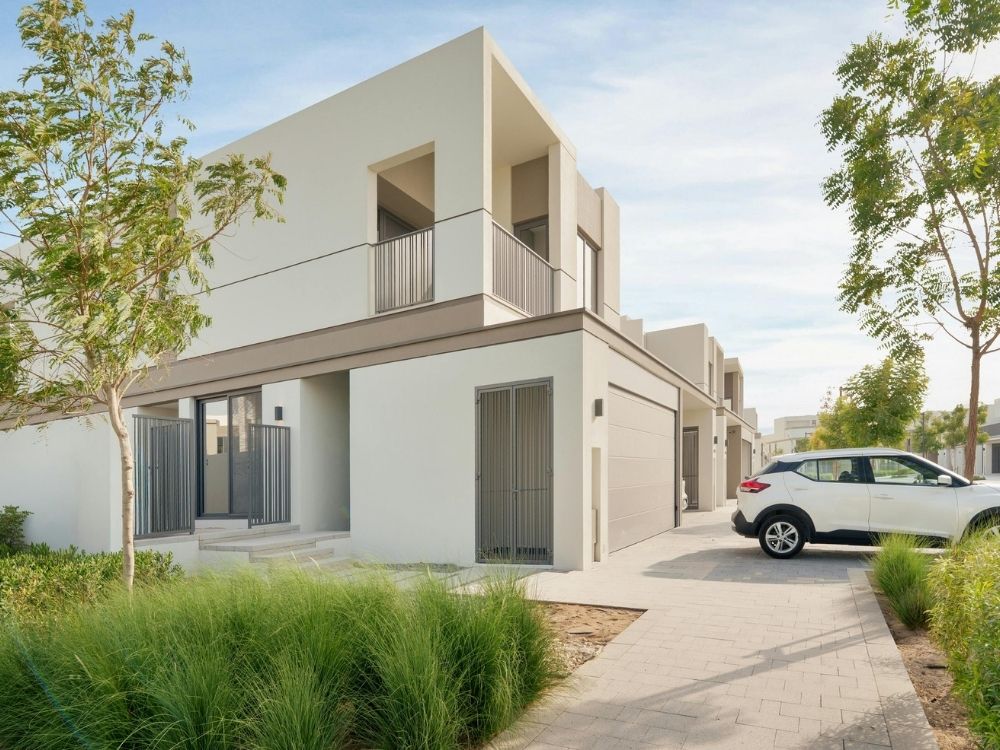
Thoughtful planning and awareness of current architectural trends create harmonious environments where every detail serves a purpose. From open floor plans that enhance family interaction to the thoughtful use of technology, today’s homes offer a balanced blend of comfort and innovation.
Open Floor Plans with Defined Spaces
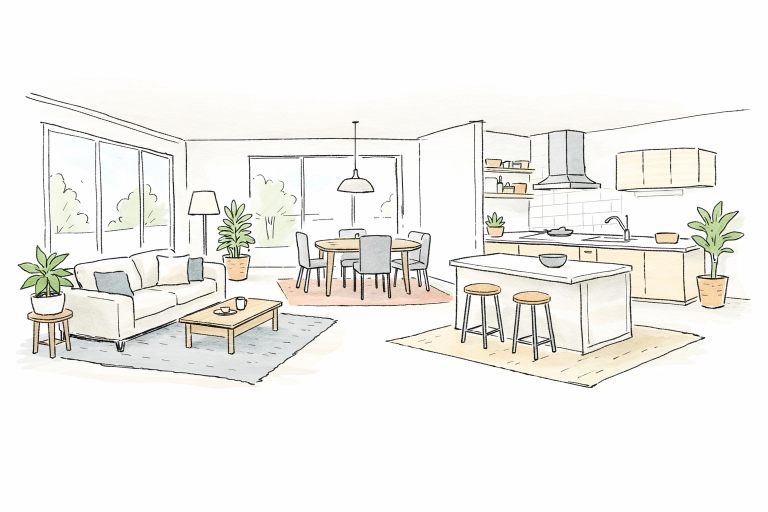
Open floor plans remain a hallmark of modern living, creating a sense of connectivity throughout the home. However, the trend is evolving, with an emphasis on defining individual zones within the open concept. By using furniture arrangements, low partitions, or strategically placed rugs, designers can separate the living room from the dining or work areas. This approach provides clear boundaries, allowing each zone to have purpose without closing off the overall flow. The result is an environment that feels both spacious and organized, ideal for both everyday activities and entertaining.
Maximizing Natural Light
The importance of natural light in residential design cannot be overstated. It not only enhances the aesthetics but also contributes to mental well-being and energy efficiency. Expansive windows, glass doors, and skylights let in sunlight, helping reduce reliance on artificial lighting. Reflective materials and thoughtful orientation ensure that daylight reaches deep into the home, creating bright, uplifting interiors throughout the day. For best results, work with your architect to plan window placement based on your property’s orientation to the sun.
Utilizing Sustainable Materials
Sustainable building practices are increasingly central to modern home construction. Homeowners and builders are selecting materials like reclaimed wood, recycled metals, and bamboo flooring for their environmental and aesthetic value. These materials are known for their durability and distinctive character, supporting eco-friendly living with low maintenance requirements and long lifespans. Incorporating sustainability into home building does not mean sacrificing style; in fact, it can add unique textures and warmth to any space.
Integrating Smart Home Technology
Smart home technology is transforming ordinary houses into convenient, connected spaces. Modern systems integrate lighting, climate, security, and entertainment controls, and they’re designed to enhance both function and form. Developers now prioritize the look of technology alongside its utility, offering products that blend with luxury interiors. Recent innovations showcased at international expos illustrate how smart devices can be subtly embedded in natural stone surfaces and metallic finishes.
Designing Functional Kitchens
The kitchen is a pivotal space in any modern home. Current trends highlight large islands that serve multiple roles, from food preparation to a social hub for gatherings. These islands are often paired with hidden cabinetry and walk-in pantries, creating storage that keeps kitchens tidy and organized. Eye-catching finishes, such as statement stone or bold artwork, are making their way into these spaces, combining utility with personal flair. The kitchen’s changing role, from a secluded work zone to a spotlight for culinary creativity and social activity, is reflected in the design choices homeowners make today.
Seamless Indoor-Outdoor Transitions
Modern homes are increasingly focused on blurring the lines between indoor and outdoor spaces. Sliding or folding glass doors facilitate easy movement between living rooms and patios, while covered outdoor lounges often feature cooking and entertainment areas. This design approach expands the home’s usable square footage and encourages homeowners to connect with nature.
Personalization and Customization
Many buyers today want homes that reflect their unique personalities. Customization options abound, from selecting bold paint colors to adding bespoke millwork or hardware. Details like custom lighting, unique flooring, and individualized architectural accents help turn a generic new build into a one-of-a-kind showcase. Collaborative work with architects and interior designers ensures that all personal tastes are woven into the home, fulfilling both functional requirements and aesthetic aspirations.
Conclusion
Achieving balance between design and functionality is fundamental in modern home construction. Clients who prioritize thoughtful planning, openness, abundant natural light, sustainable practices, technological innovation, and personal touches wind up with homes that are both beautiful and suited to their needs. The resulting living spaces are not just architectural achievements but places where life’s best moments unfold, every day.

Pak Goat For the reason that the admin of this site is working, no uncertainty very quickly it will be renowned, due to its quality contents.
The focus on seamless integration is key-whether it’s smart home tech or complex digital platforms. True modern design, in any field, is about optimizing the user experience. It’s about ensuring the underlying system, much like a reliable gaming platform, works flawlessly, making the whole process enjoyable. Check out nustargame slot download for optimized fun!