What You Need to Know about Type 2 Diabetes
If you’ve recently been diagnosed (like me) or are wondering whether your symptoms could be related to blood sugar, you may be asking: What is Type 2 diabetes? Type 2 diabetes is a chronic condition that affects the way your body processes glucose (sugar), which is your body’s main source of energy. When blood sugar levels stay too high over time, it can lead to serious health complications if left unmanaged.
I just discovered that my A1C was 11.7! A year ago, it was 6.5, and my doctor and I decided I would try to reduce my level with diet and exercise. Apparently, I wasn’t successful. Now I’m on a new journey to lower my A1C and blood sugar levels to live a healthier life.
In Type 2 diabetes, the body either becomes resistant to insulin or doesn’t produce enough insulin to keep blood sugar levels in a healthy range. Insulin is the hormone that helps move glucose from your bloodstream into your cells. Without enough insulin working properly, sugar builds up in the blood instead of being used for energy. The good news is that many people successfully manage their diabetes with lifestyle changes, medication, and regular monitoring.
Whether you are newly diagnosed, supporting a loved one, or simply trying to understand the condition better, learning the basics is the first step. In this guide, we’ll explain the symptoms, common causes, risk factors, and treatment options for Type 2 diabetes so you can feel more informed and confident about managing your health.
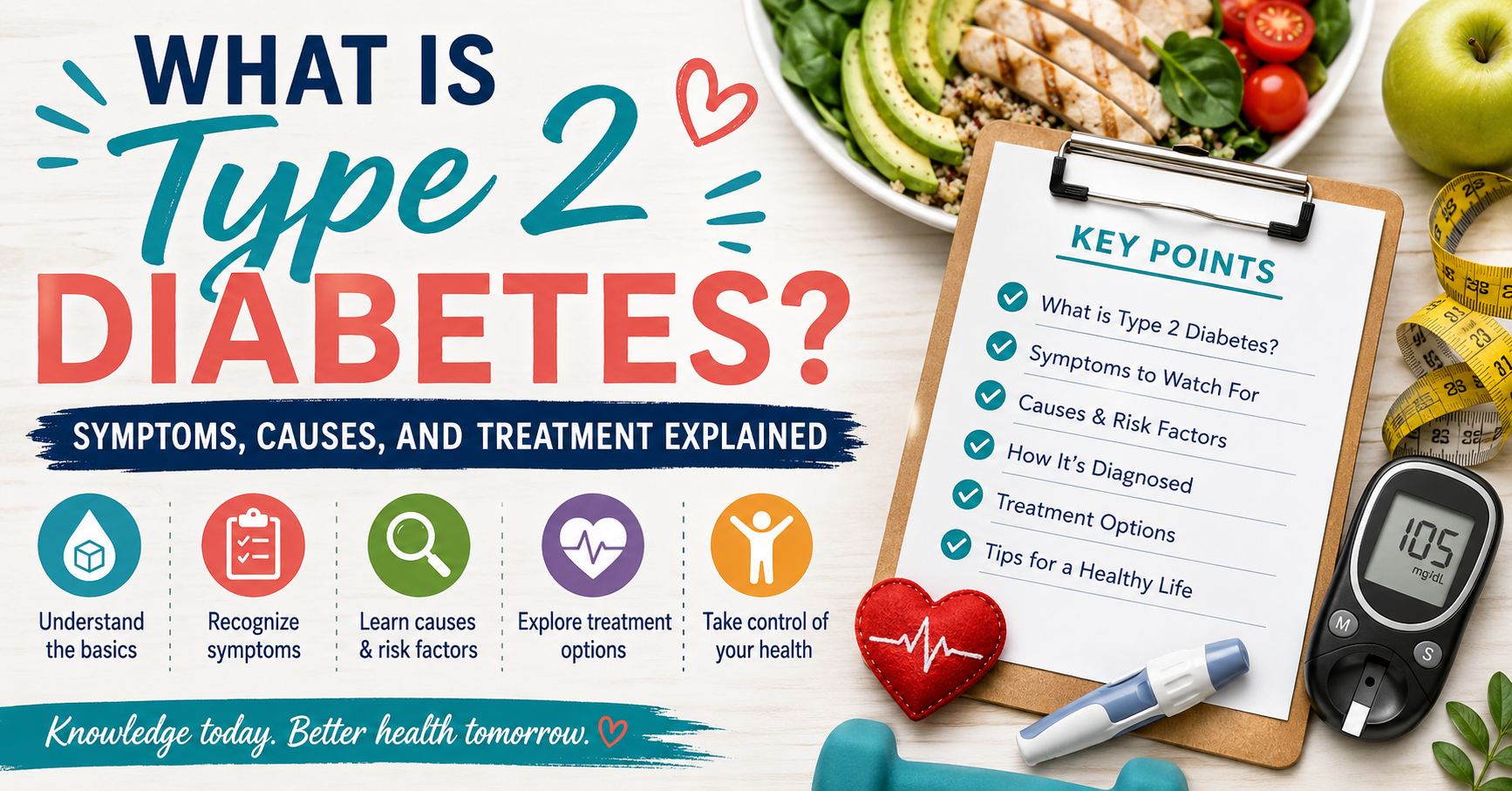
What Is Type 2 Diabetes?
Type 2 diabetes is a condition in which your body has trouble using insulin effectively. Insulin is a hormone made by the pancreas that helps move sugar from your bloodstream into your cells, where it is used for energy.
When your body becomes resistant to insulin, or your pancreas can’t keep up with the demand, glucose remains in your blood instead of entering your cells. Over time, high blood sugar levels can damage your heart, kidneys, eyes, nerves, and blood vessels.
Type 2 diabetes is the most common form of diabetes and often develops gradually over time. Many people live with it for years before realizing they have it.
How Type 2 Diabetes Affects the Body
Your body relies on glucose for energy. When glucose can’t enter your cells efficiently, several things happen:
- Your cells don’t get the energy they need.
- Your blood sugar levels rise.
- Your pancreas works harder to produce more insulin.
- Over time, the pancreas may struggle to keep up.
Persistently high blood sugar can increase the risk of:
- Heart disease
- Stroke
- Kidney disease
- Nerve damage
- Vision problems
- Poor wound healing
The good news is that managing blood sugar can significantly reduce the risk of these complications.
Common Symptoms
Type 2 diabetes symptoms can develop slowly and may be easy to overlook.
Common symptoms include:
- Increased thirst
- Frequent urination
- Fatigue
- Blurred vision
- Increased hunger
- Slow-healing cuts and sores
- Tingling or numbness in the hands or feet
- Recurring infections
- Unexplained weight changes
Some people have no obvious symptoms and only discover they have diabetes during routine blood work. I had increased thirst, fatigue, increased hunger, and weight gain.
What Causes Type 2 Diabetes?
There is no single cause of Type 2 diabetes. It usually develops because of a combination of genetics, lifestyle factors, and age-related changes in metabolism.
Common contributing factors include:
- Insulin resistance
- Family history of diabetes
- Excess body weight, especially around the abdomen
- Physical inactivity
- Poor sleep
- Chronic stress
- Hormonal conditions such as PCOS
- Increasing age
Having one or more of these risk factors does not guarantee you will develop diabetes, but it can increase your likelihood. I have a family history of diabetes (thanks Dad), poor sleep, chronic stress and yes, excess belly fat

Risk Factors for Developing Type 2 Diabetes
Several factors can increase your risk of diabetes, including:
- Being over age 45- that’s me
- Having a parent or sibling with diabetes –my dad has diabetes
- Being overweight or obese
- Living a sedentary lifestyle
- Having high blood pressure
- Having high cholesterol or triglycerides
- A history of gestational diabetes- Yes, I had that!
- Polycystic ovary syndrome (PCOS)
- Prediabetes
Even if you have multiple risk factors, healthy lifestyle changes can make a big difference.
How Type 2 Diabetes Is Diagnosed
Healthcare providers use blood tests to diagnose Type 2 diabetes.
Common tests include:
A1C Test
Measures your average blood sugar over the past two to three months.
- Normal: Below 5.7%
- Prediabetes: 5.7% to 6.4%
- Diabetes: 6.5% or higher
Fasting Blood Sugar Test
Measures blood sugar after fasting for at least 8 hours.
- Normal: Below 100 mg/dL
- Prediabetes: 100–125 mg/dL
- Diabetes: 126 mg/dL or higher
Oral Glucose Tolerance Test
Measures how your body handles sugar after drinking a glucose solution. (They did this when I was pregnant)
Your healthcare provider may repeat tests to confirm the diagnosis.

Treatment Options
Type 2 diabetes can often be managed with a combination of:
- Healthy Eating: Choosing balanced meals with fiber, lean protein, healthy fats, and controlled portions of carbohydrates. Check out our Diabetic Dinner Recipes.
- Physical Activity: Regular movement helps your body use insulin more effectively.
- Weight Management: Losing even a small amount of weight may improve blood sugar control for some individuals.
- Medications: Some people take oral medications or injectable treatments to help control blood sugar.
- Blood Sugar Monitoring: Checking glucose levels with your glucometer helps you and your healthcare provider understand how your treatment plan is working.
- Regular Medical Care: Routine appointments help monitor A1C, kidney function, cholesterol, and other important health markers.
Can it Be Prevented or reversed?
Many cases of Type 2 diabetes can be delayed or prevented through healthy lifestyle changes.
For some people, significant improvements in weight, diet, and physical activity may lead to blood sugar levels returning to a non-diabetic range. This is often called remission rather than a permanent cure.
Even when diabetes is not in remission, effective management can help people live long, healthy lives.
When to Talk to Your Doctor
You should talk to your healthcare provider if you:
- Notice symptoms of high blood sugar
- Have a family history of diabetes
- Were told you have prediabetes
- Have concerns about your A1C or glucose readings
- Need help creating a treatment plan
Early diagnosis and treatment can help prevent complications and improve your overall health.
Final Thoughts
Learning what Type 2 diabetes is can feel overwhelming at first, but understanding the condition is an important first step. With the right information, medical guidance, and daily habits, many people successfully manage diabetes and maintain a healthy, active lifestyle.
If you or a loved one has recently been diagnosed, know that you are not alone. Small, consistent changes can make a meaningful difference over time.
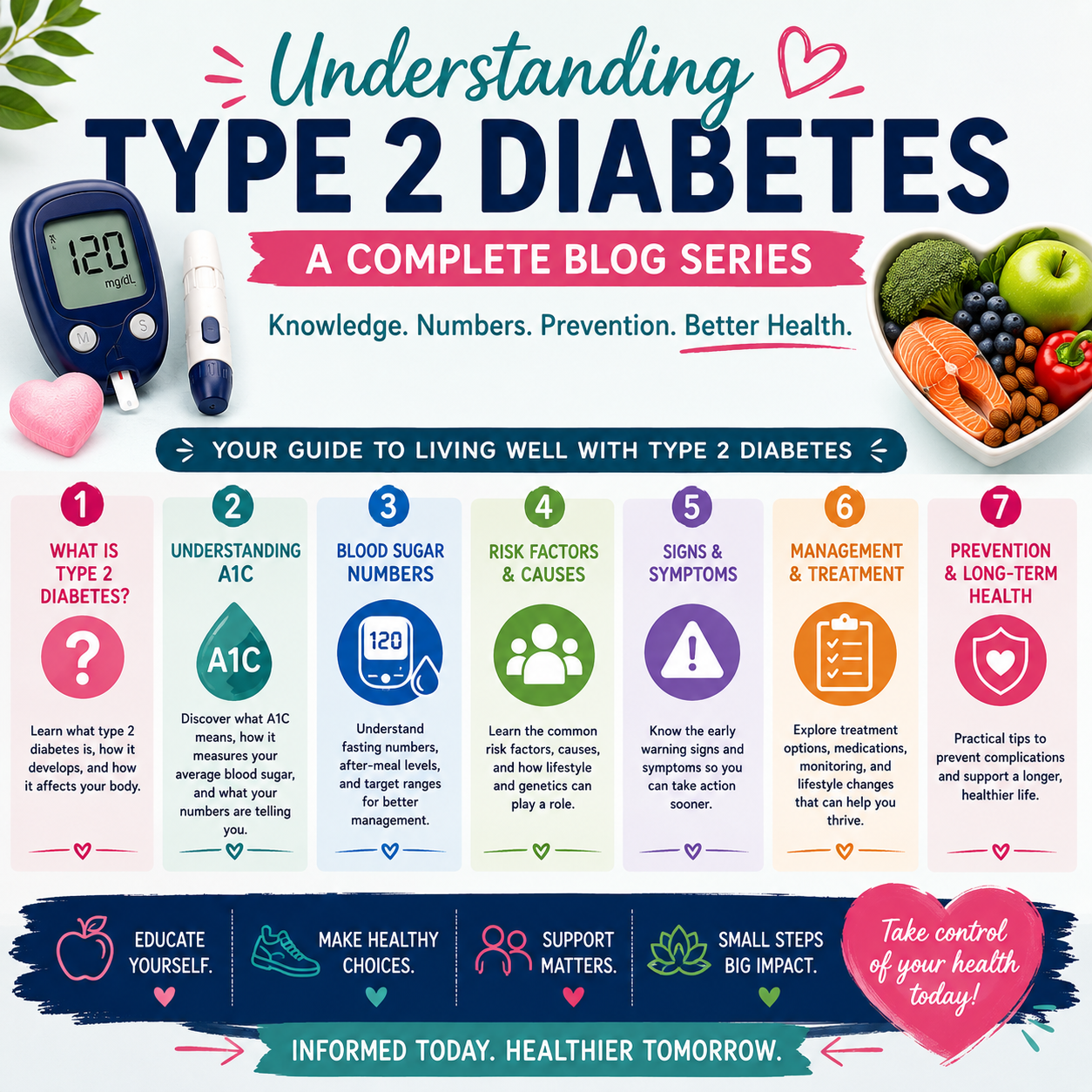
Did you want to learn more? Understanding A1C and Blood Sugar Numbers, coming soon!
Medical Disclaimer
This article is for informational purposes only and is not intended to replace professional medical advice, diagnosis, or treatment. Always consult your healthcare provider with questions about your health.
Sources: Information in this article is based on guidance from the Centers for Disease Control and Prevention (CDC), the American Diabetes Association (ADA), and the Mayo Clinic.
Read more about diabetes in our Understanding Diabetes blog series!