Our moods change like the weather—but some people experience such dramatic changes that it affects their lives, careers, and relationships. Here, we’ll explain what mood swings are, what causes them, and how to manage them.
What Is a Mood Swing?
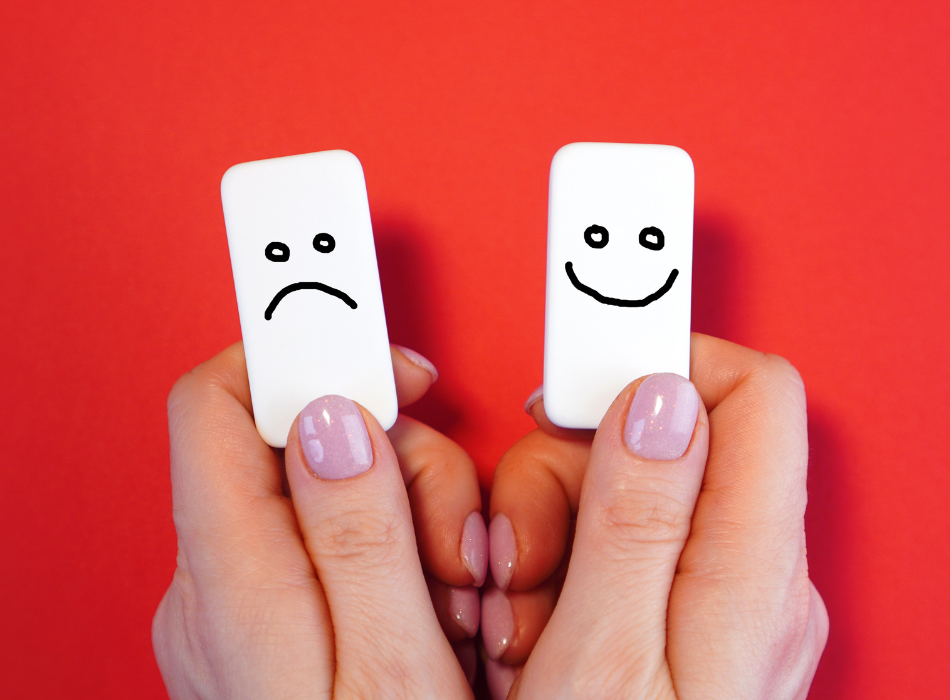
Mood swings are extreme changes in an individual’s mood. Under normal conditions, these changes happen gradually, but those suffering from certain disorders are susceptible to sudden changes. For instance, people suffering from substance abuse may move through emotional highs and lows more frequently. Local treatment centers offer tips and strategies for managing mood swings.
What Leads to Mood Swings?
External events and hormonal changes have significant effects on our moods, but rapid fluctuations may indicate the presence of a disorder like depression, bipolar, autism, epilepsy, or ADHD. Some degenerative diseases, including Huntington’s disease, Parkinson’s, and Alzheimer’s, also cause mood swings.
The overuse of alcohol and substances may also lead to mood swings, especially in those who use psychoactive drugs. When drug and alcohol use is prolonged and repeated, you’re much more likely to experience sudden changes in mood.
Are Mood Swings a Symptom of Addiction?
Mood swings are a sign of addiction in that they may occur when you use drugs, but they can also happen in those with brain chemistries altered by prolonged use. A user in withdrawals may go through mood swings, as may a person self-treating depression with drugs and alcohol.
What Are the Most Common Mood Swing Symptoms?
Mood swings are best thought of as symptoms rather than a mental condition. When identifying mood swings, treatment professionals look for sudden, volatile, and unexplainable mood changes.
Which Group is More Susceptible to Mood Swings: Men or Women?
While most of us assume that women are more emotionally volatile than men, that’s not the case. A study out of the University of Michigan finds no significant difference in mood swings between men and women or between women who use birth control and those who do not.

Diagnosing Mood Swings
As mentioned above, mood swings aren’t a distinct condition but a sign of another disorder. Mental health and addiction treatment professionals can find out what’s causing your mood swings and treat those underlying causes. With professional treatment, you can keep mood swings from affecting your life.
How Mood Swings Are Treated
Mood swing treatment depends on the underlying condition. For instance, a person with mood changes related to Huntington’s disease would get different treatment than someone whose mood swings are related to addiction and substance abuse. If there’s no underlying cause for mood swings, clients are encouraged to receive psychotherapy treatments that address issues contributing to their emotional volatility.
If you’re seeking treatment for mood swings related to addiction, psychotherapeutic components of substance abuse treatment plans will address your changing moods. Along with psychotherapy, you may receive medication to treat depression, anxiety, and other underlying causes.
Getting Help for Mood Swings Regardless of Cause
If you’re abusing substances and are on the path toward addiction—or if you suffer from depression, bipolar disorder, or another mental health condition—mood swings can have devastating effects on personal, academic, and professional relationships. The first step to emotional and physical recovery is acknowledging the problem’s existence, and we invite you to take that step today.

An article that’s as informative as it is inspiring.