Every parent wants to do the best for their child but, unfortunately, kids don’t come with a manual! Whether you’re a first-time parent or a mom of five, you’ll still wish you knew more when it comes to the health and wellness of your family.
Although caring for kids can be daunting, there is plenty of help available. From your pediatrician to parents’ groups, you’ll find plenty of support out there, providing you know where to look.
Of course, as you adjust to life as a parent, your confidence and knowledge will grow too. To get a head-start, take a look at these nine health and wellness tips every mom should know:
1. Food Affects Focus
If your kid seems more energetic than usual or your teen is finding it hard to study, take a look at their diet and you might be able to figure out why. What we eat has a major impact on how well we’re able to focus, which means something your child is eating could be affecting their behavior and attitude.
The colorings and preservatives in some processed foods are known to affect some people more than others. If your child is sensitive to them, removing foods with particular additives could enhance their wellness and allow them to focus more easily.
2. Allergies Can Occur All Year-Round
People often associated springtime with allergies and it’s true that people can experience a spike in their symptoms around this time of year. As flowers and trees begin to grow leaves and buds, the increased pollen can trigger hay fever, for example.
However, allergies can occur all-year-round, so it’s important to look out for any symptoms. If your child has itchy eyes, a blocked nose, or a persistent sore throat, there’s a chance that could be allergic to something in their environment, such as dust or mold.
Fortunately, allergies can be treated effectively. Although you can’t typically cure an allergy, some children will grow out of them as they get older and, in the meantime, you can use allergy relief to reduce their symptoms.

Untreated allergies can also cause fatigue and headaches, which means they can have a significant impact on your kid’s well-being. With a diagnosis from a pediatrician, removal of triggers, and the right allergy relief, however, their symptoms could be a thing of the past.
3. Kids Can Be Reluctant to Disclose Bullying
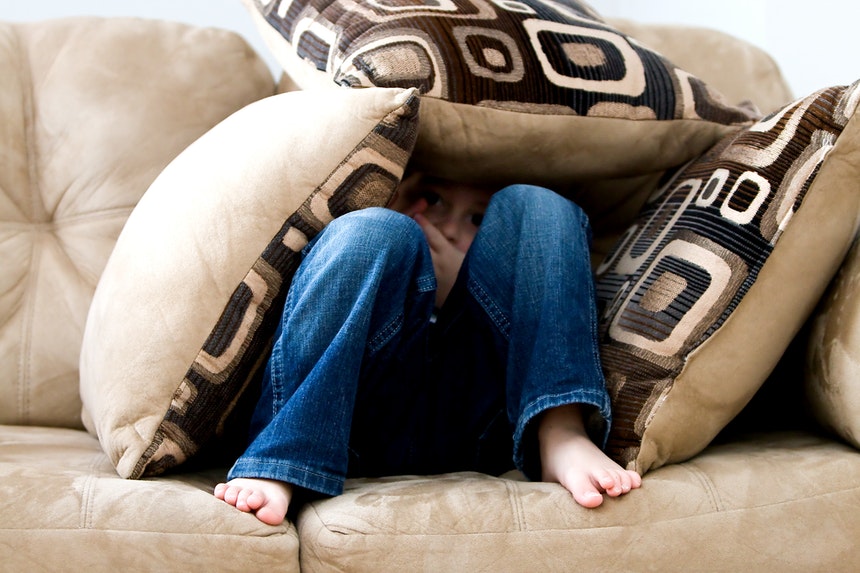
Parents like to think that their child will confide in them if anything’s wrong but, when it comes to bullying, kids often keep quiet. Your child might feel embarrassed that they’re being targeted by other kids or worried that the bullying will escalate if parents or schools become involved, for example.
By keeping an eye out for signs of bullying, however, you can identify concerning incidents or patterns of behavior. If your child suddenly has trouble sleeping, reports illness on school days only, or unexpectedly tries to avoid social situations, this could be a sign that they’re experiencing some level of bullying.
Although bullying can sometimes involve physical harm, it typically always causes emotional distress. Low self-esteem, feelings of worthlessness, and isolation are just some of the emotions a child can experience because of bullying, which is why it’s so important that all types of bullying are addressed and resolved swiftly.
During this time, it may be helpful to expand your child’s social circle, facilitate playdates with kids they’re friendly with, and talk openly about emotions.
4. Physical Activity Should Start at a Young Age
We all know that physical activity should be a daily part of a healthy lifestyle, but it can be hard to pick up the habit later in life. By making exercise part of your child’s life at a young age, however, you can instill healthy habits in them as they grow up.
Going on a family walk, joining a sports club, or even playing virtual reality video games can all be effective ways to increase the amount of physical activity your child does.
Whether they’re into swimming, baseball, hockey, or dance, anything which encourages them to be physically active can be beneficial for the health and well-being.
5. Concussions Can Take Weeks to Appear
All kids sustain bumps and bruises as they’re growing up, but some injuries can be more serious than others. If your child experiences a bump to the head, it’s always worth seeking medical advice. People often assume that if a child seems fine in themselves after an accident, they haven’t sustained a serious injury. However, a concussion may not cause symptoms to appear immediately.
In fact, it can take days or weeks for the symptoms of a concussion to emerge. If your child shows signs of dizziness, blurred vision, nausea, confusion, fatigue, headaches or displays behaviors and moods that are out of character, it could be a sign that they’ve developed a concussion.
Although most concussions do not cause long-term harm, your child does need to be monitored. Firstly, doctors will want to rule out potential other causes of any symptoms and, secondly, they’ll want to ensure that no treatment is required if your child has experienced a concussion.
Due to this, it’s always advisable to seek medical advice if your child sustains an injury to their head or neck, even if they aren’t showing any symptoms.
6. Juice Isn’t Always Healthy
People tend to assume that fruit juice is a healthy alternative to soda and that kids can drink as much of it as they like. However, fruit juice is extremely acidic, which means it can damage the enamel on your teeth. In addition to this, it’s high in sugar, which can cause weight gain and even increase the risk of diabetes.
While a small amount of juice can be part of a healthy diet, children shouldn’t usually consume a lot of it. If you do choose to give your child juice, watering it down can be an effective way of reducing its acidity and calories.

7. Food Should Never Be A Reward
Society has come to think of certain foods as a treat or reward, but this approach can spark unhealthy eating patterns. If you celebrate good news with a candy bar or cheer yourself up with fast food, for example, you link food to emotions, which can result in future eating problems.
This can be a tricky habit to break, particularly as so many adults view food in this way. However, by praising and rewarding your kids in different ways, you can ensure that they don’t develop an emotional attachment to food.
This will make it easier for them to maintain a healthy weight as they get older and could reduce the risk of them developing eating disorders in the future.
8. Kids Need Time to Relax
If your kid has a full calendar, it might be time to scale back their social engagements! Between school, clubs, activities, and playdates, kids can get very little downtime. However, kids are like adults in the sense that they need time to relax and unwind too.

If you’re rushing from school pick-up to karate class and then coming home, having dinner, doing homework, and putting your kid straight to bed, they don’t get the opportunity to relax at all.
Teaching your child that relaxation is important encourages them to prioritize wellness. They may even find that mindfulness or meditation helps them to feel calmer or less worried about the things they encounter in life. Furthermore, spending some time relaxing can help kids to sleep better at night and make bedtime routines a whole lot easier.
9. You Need Multiple First-Aid Kits
Most homes have a first-aid kit, even if you’re not sure exactly where it is! However, having just one first-aid kit isn’t going to be enough when you’ve got kids. Instead, you’ll need to ensure you have access to basic medical supplies at home, in the car and anywhere else you spend a significant amount of time.
From plasters and antiseptic wipes for cuts and grazes to age-appropriate pain-relief for teething or injuries, a first-aid kit certainly comes in handy when you’re a parent.
As well as having them in strategic locations and ensuring they’re always accessible, be sure to keep them fully stocked. Depending on how often your kid hurts themselves, you might find that you get through plasters or bandages at an alarming rate.
By keeping your first aid kits well-stocked, you can ensure that you’ll have access to the supplies you need and enjoy peace of mind in the meantime.

Prioritizing Your Child’s Health and Wellness
As a parent, no-one knows your child better than you do, which gives you the edge when it comes to recognizing when something is wrong. Although a doctor should always be your first port of call when you’re concerned about your child, don’t hesitate to get a second opinion, if you feel one is warranted.
By promoting health and wellness at home and accessing any services your child needs, you can keep your kid safe and encourage them to prioritize their own well-being too.
