Three slow drains in three different rooms is not a coincidence. It is a pattern, and it usually points to one shared pipe running under your yard. Most homeowners catch it late because a failing sewer line rarely announces itself with a geyser in the driveway. It whispers first, through a toilet that gurgles after a load of laundry, a bathtub that drains fine on Tuesday and stalls on Saturday, or a patch of grass that stays greener than the rest of the lawn in the middle of a dry spell.
Spotting those whispers early is the whole game. When you catch the pattern in week two instead of month six, the fix stays small and the damage stays above ground. When you ignore it, water starts finding paths you cannot see, and that is where the real cost lives.
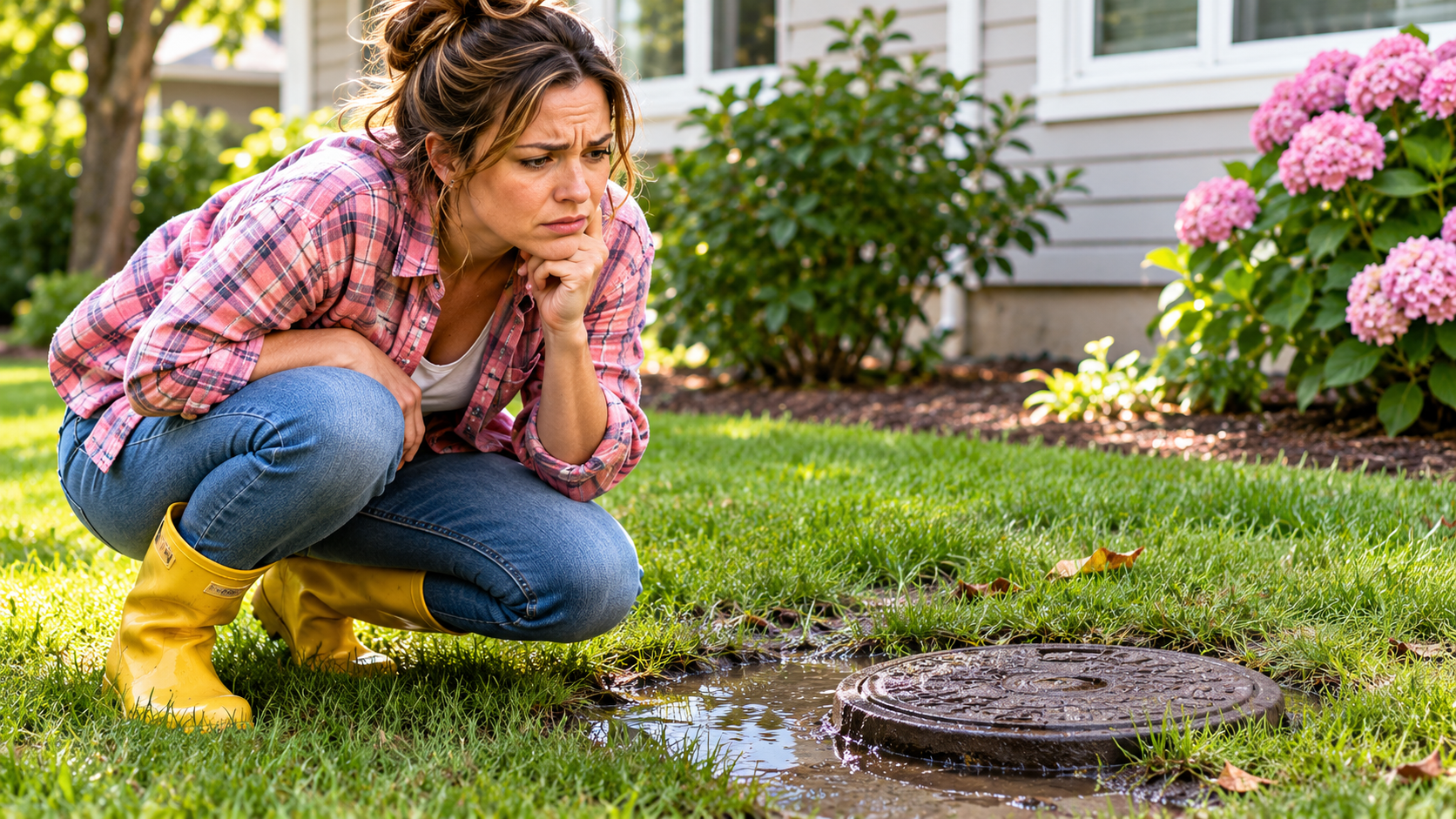
I have watched neighbors put off a call for months because the basement smelled “a little musty” and the shower drained “pretty much fine.” Then the utility sink backed up with gray water on a Sunday, and the plumber’s camera found a collapsed section under the front walk. That story is common, and it is avoidable. If you are already seeing the signs below, you may want to look into sewer line repair sooner rather than later, because the difference between a patch and a full replacement usually comes down to timing.
What does a failing sewer line actually look like?
It looks like a house that is working against you in small ways. Wastewater is supposed to flow one way, downhill and out, through a pipe that carries it to the municipal main. When that path narrows from roots, cracks, or sagging joints, the water does not stop. It backs up to the lowest point it can reach, and that point is often your floor drain.
Here is the part most people miss. A sewer line can be badly damaged and still look calm for weeks, because a partial blockage lets water pass slowly enough to fool you. You blame the kids for using too much toilet paper. You dump another bottle of drain cleaner down the tub, which does nothing for roots and can eat at older pipes.
The Green Patch Test is my favorite cheap check. Pick a dry week in summer and look at your lawn. A single stripe or circle of grass that is noticeably lusher than everything around it, especially along a straight line from the house toward the street, can mean sewage is leaking into the soil and feeding it. I would take that over a lucky sprinkler head any day, and it costs nothing to look.
Slow drains, gurgles, and the smell you get used to
Odors are the sign we adapt to fastest, and that is exactly why they matter. A sewer smell in the basement, the laundry room, or a first-floor bathroom does not come from nothing. It comes from gas escaping where it should not, often through a cracked pipe or a dried-out trap that never quite sealed again.
The gurgle deserves its own moment. When water drains, it pulls air behind it. If the venting path is blocked, that air gets pulled through your toilet bowl instead, and you hear a quiet burp after the washing machine spins out. If your toilet gurgles every laundry day, you do not have a toilet problem. You have a shared-line problem, and it is worth treating as urgent.
One more habit to break: reaching for chemical drain cleaners every time a sink slows down. They treat a symptom, they can damage older plumbing, and they do nothing about the real cause down the lateral. Municipal wastewater systems are built to carry household waste, and background from the Environmental Protection Agency on how those systems work makes clear that the pipe on your property is your responsibility, not the city’s.
Fixes that buy time, and fixes that end the problem
Not every sewer line repair means digging up your yard. Some fixes are treats a section, others replace it, and the honest answer depends on what a camera finds. Here is how a good inspection should go before anyone quotes you a number.
- Run a camera down the line and show you the footage, not just a description.
- Locate the damaged section by distance and depth, so you know the scope.
- Separate urgent blockage from structural damage, because they call for different work.
- Explain spot repair versus replacement in plain terms, including what happens if you wait.
- Put the diagnosis and price in writing before the digging starts.
My stance: ask for the camera footage no matter how confident the tech sounds. A plumber who walks you through the screen, points to the root mass, and says “here is the joint that shifted” earns trust fast. One who only tells you the pipe is bad and quotes a lump sum has told you nothing you can verify.
On the labor side, a licensed plumber’s skill is real work with real training behind it. Trade data from the Bureau of Labor Statistics tracks plumbers among the skilled trades, which is one reason a careful diagnosis costs more than the pipe itself. Paying for the camera and the thinking is usually worth it.
A house-by-house budget reality check
Older homes are the wild card here. The U.S. Census Bureau tracks housing age across the country, and if your house went up before the 1970s, there is a decent chance the lateral was built with materials that have not aged gracefully. Cast iron pits. Clay cracks at the joints. Orangeburg, if you are unlucky enough to have it, sags like wet cardboard. If you bought a mid-century home and the inspection report said “sewer not scoped,” you already know the risk you took on.
I would budget for a camera inspection the same way I budget for a roof check: once, before there is a problem, so you have a baseline to compare against later. Newer PVC lines are tougher, but roots find them too, and a rock that shifted during settling can pinch a joint without any crack you would ever see from above.
| Sign you are noticing | What it usually means | How soon to act
|
|---|---|---|
| One slow sink | Local clog, not the lateral | Try a plunger or snake first |
| Multiple slow drains | Main line narrowing or partial block | Call within days |
| Gurgling after laundry | Venting or shared-line backup | Call this week |
| Sewage smell indoors | Loose joint, crack, or trap issue | Call this week |
| Backup into the floor drain | Serious blockage or collapse | Call now, stop using water |
When to call, and what to say
Skip the debate and call when you have two or more signs at once, when water comes up instead of going down, or when raw sewage backs into the house. Stop running water, keep hands off the chemical cleaners, and take a few photos and a short video of the fixtures misbehaving. A plumber who sees that clip usually arrives better prepared.
On the phone, say exactly what you see: “The basement floor drain backs up when the shower runs, and the upstairs toilet gurgles.” That one sentence tells a pro you likely have a blocked or broken lateral and to bring a camera. Vague calls get vague answers.
The whole point of catching warnings early is that sewer work scales with delay. A root cut today is small. A collapsed joint under a driveway is not. Get the camera look, watch the footage, and let the evidence, not the smell, decide your next move. Which sign on this list is your house showing right now?
