Fresh flowers can express love and support during the first difficult days after a loss, yet their beauty lasts only a short time. As relatives return home and sympathy arrangements begin to fade, grief often remains close. Lasting keepsakes can offer comfort well beyond the funeral or memorial service, giving family members a familiar object, sound or place that helps them feel connected to the person they miss.
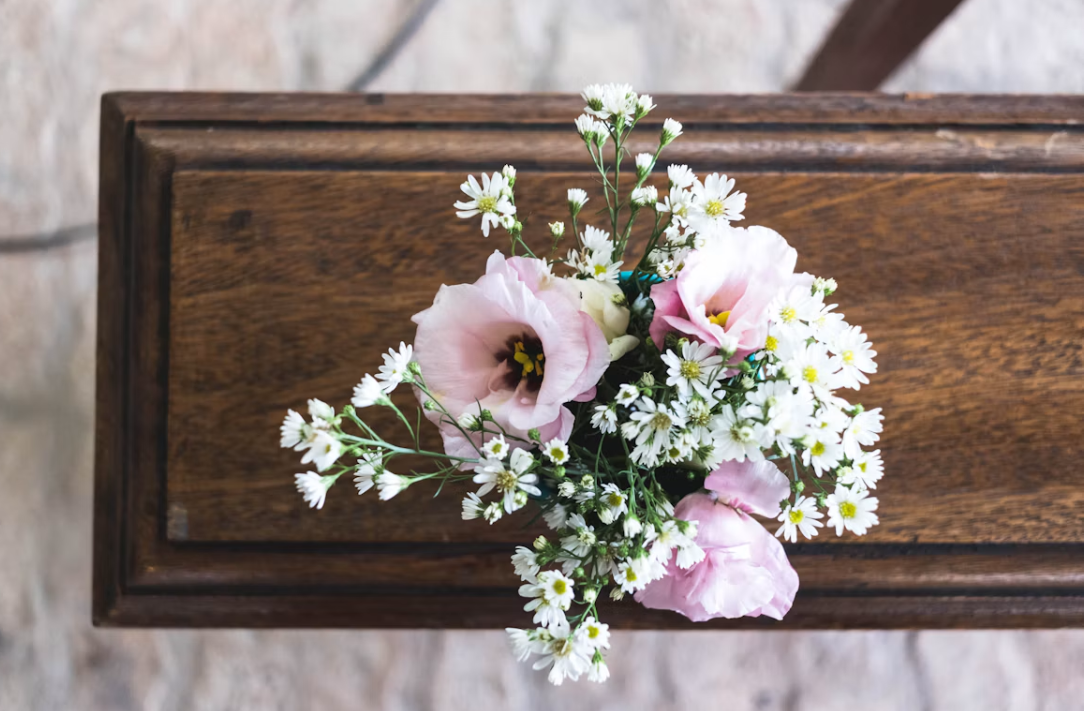
Image Credit: Unsplash
The Limitations of Traditional Bouquets
Flowers are a thoughtful way to show that you care. They bring color into a somber room and require little explanation when words feel inadequate. Still, most cut arrangements last about a week before petals drop and stems wilt. Families may also receive more bouquets than they have room to display or care for.
The difference between fresh flowers and grief becomes especially noticeable once the initial rush of support slows down. If you send flowers, consider pairing them with a handwritten card that the recipient can keep. You can also ask whether the family would appreciate a plant, preserved arrangement or small remembrance item that will remain meaningful in the months ahead.
Why Tangible Keepsakes Aid Mourning
A physical keepsake gives grief a gentle point of focus. Someone can hold it, display it or return to it on a birthday, holiday or quiet afternoon. Familiar objects may also prompt stories that help children and adults talk about the person who died.
Useful lasting keepsakes fit naturally into the recipient’s daily life. A framed recipe works well for someone who shared time in the kitchen with a parent, while memorial wind chimes can create a soft reminder in a garden or near a porch. Before choosing, think about the person’s home, preferences and available space. A modest item with a clear connection often feels more personal than a large gift that becomes difficult to store.
Meaningful Tributes for the Home and Yard
Home tributes can be quiet and practical. A photo in a simple frame, a memory box or a small shelf holding a favorite book gives family members a dedicated place for remembrance. For a yard, consider a flowering perennial, engraved garden marker or bird feeder placed where it can be seen from a window.
If the family appreciates flowers but wants something longer-lasting, preserved funeral flowers may suit a mantel or a covered display area. Check the care requirements before sending any living plant. A tree can carry emotional meaning, but it also needs suitable soil, enough space and years of maintenance. When you’re unsure, ask a close relative what would work in the family’s home.
Ways to Personalize a Message of Hope
A personal message can make even a simple remembrance gift feel deeply considered. Use the loved one’s name and mention one specific quality, memory or relationship. “I’ll always remember Maria’s Sunday pancakes and the way she welcomed everyone” says more than a broad sympathy phrase.
Keep the message brief enough to read without emotional effort. Avoid explaining how the recipient should feel or setting a timeline for healing. You might write, “I hope this brings a comforting reminder of David and the afternoons you spent in the garden.” If several relatives are sending the gift, sign each person’s name so the recipient knows exactly who is thinking of them. Double-check dates, spelling and engraving details before placing an order.
The most comforting tribute and lasting keepsakes are often one that belongs naturally in everyday life. A familiar sound outside the kitchen window, a handwritten recipe beside the mixing bowls or a flower that returns each spring can keep a loved one’s memory present without demanding attention. Choose something connected to a real story, then include that story in your note.
