Colorful bath bombs can make an ordinary tub feel special, but the ingredients that create fizz, fragrance and shimmer don’t always disappear when the water drains. Some materials cling to soap residue inside the drain, while others settle in the curved trap beneath the tub. One bath is unlikely to cause a major blockage. Repeated use, however, can contribute to slow drainage and stubborn buildup, especially in older plumbing or a tub that already drains poorly.
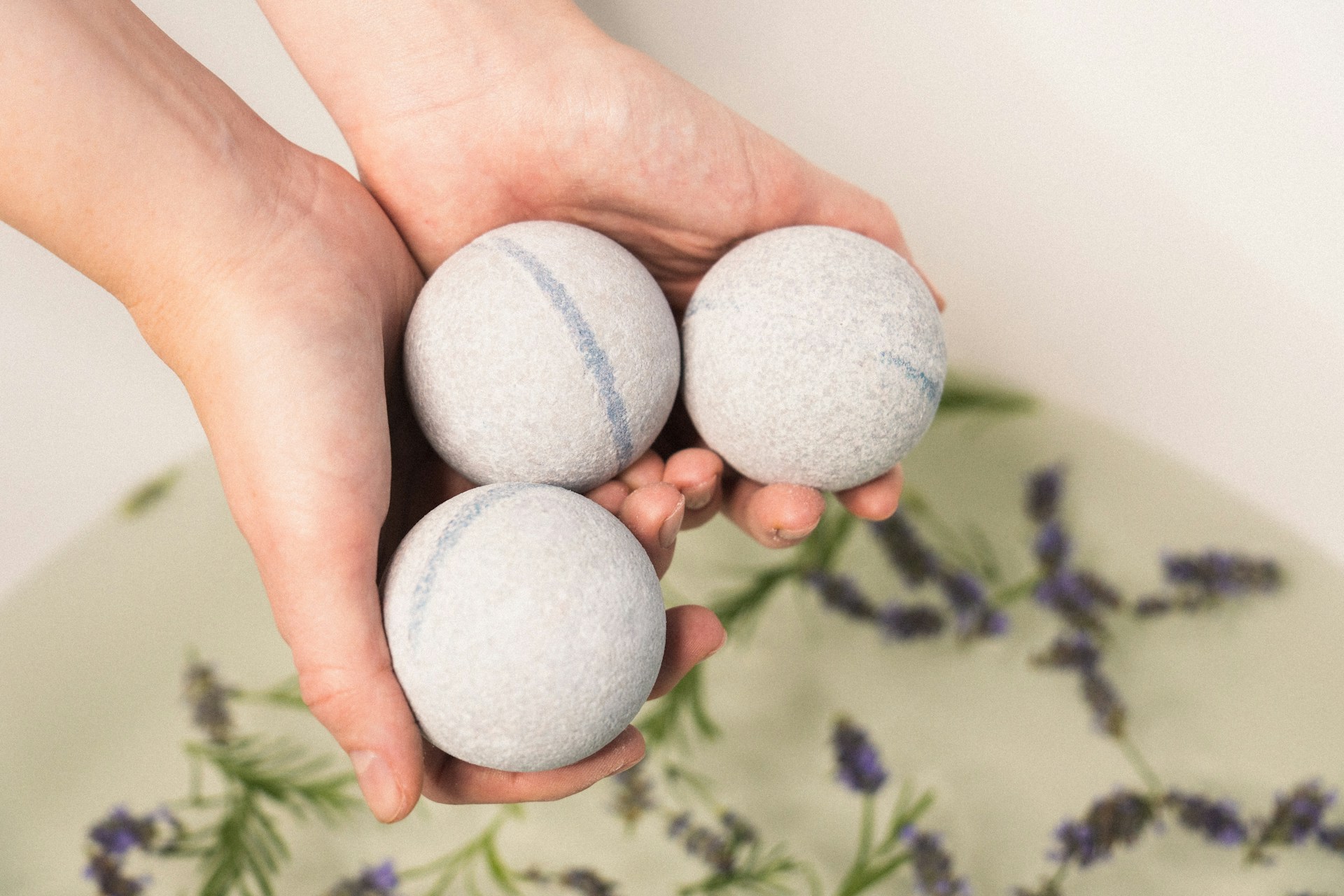
Image Credit: Unsplash
The Secret Ingredients Coating Your Trap
Most fizzy bath products start with baking soda and citric acid. These ingredients react in water and generally rinse away, but the extras deserve more attention. Oils, moisturizing butters, flower petals, salts and decorative particles can remain after the fizz ends.
The trap under your tub always holds a small amount of water to block sewer gases. That curved section also gives heavier particles a place to settle. Oils may coat the pipe, creating a sticky surface that catches hair and soap scum. Petals and herbs can collect around the drain stopper. If you use these products often, place them in a fine mesh pouch to contain solid decorations.
How Oils and Glitter Solidify in Plumbing
Cocoa butter, coconut oil and similar ingredients soften in warm bathwater. As the water travels into cooler pipes, those fats can thicken and stick to existing residue. Decorative glitter can then become trapped in that coating, particularly if it’s made from plastic or another material that doesn’t dissolve.
Watch for water pooling around your feet, bubbling drain sounds or a tub that takes several minutes to empty. Those symptoms suggest more than a one-time mess. If removing visible hair and rinsing the stopper doesn’t help, Phoenix homeowners can consider local drain cleaning before the blockage grows or causes water to back up.
Modern Fixes for Hardened Residue
Start with the least invasive fix. Remove the stopper according to its manufacturer’s directions, pull out accessible hair with a plastic drain tool and wash the stopper with dish soap. Follow with plenty of hot tap water. Avoid boiling water, which may harm some pipe materials and seals.
Skip repeated doses of harsh chemical cleaner. Different products can react dangerously if mixed, and corrosive formulas may damage plumbing when overused. A plumber can inspect a persistent clog with a drain camera and identify whether the problem is near the tub or deeper in the line. Professional tools can clear hardened residue without relying on guesswork, while hydro jetting may suit certain severe buildups after inspection.
Fun Kid Alternatives That Rinse Away
Kids can still have a colorful bath without leaving petals, confetti or heavy oils behind from bath bombs. Try a small amount of water-soluble bath color made for children, checking the label for age guidance and skin warnings. In the United States, cosmetic color additives must meet specific approval and use requirements. For more ideas on choosing enjoyable bath and personal care products, this self-care kit guide explores options such as bath bombs, shower steamers and body butter.
Foam letters, stacking cups and washable bath crayons also add novelty without sending loose decorations down the drain. Keep crayons on tile or the tub wall and wipe the surface afterward. For homemade fizz, use a plain baking soda and citric acid recipe without glitter, dried plants or solid butter. Store every product out of reach and supervise young children throughout bath time.
A simple mesh pouch and a quick stopper check can prevent most bath-time residue from becoming a plumbing problem. If the tub begins draining slowly, address it early instead of waiting until the next colorful bath leaves water standing around the drain.
