You want your child to navigate daily life with steady confidence, emotional balance, and natural curiosity. Early developmental settings shape how young minds build executive function, communication habits, and resilience. A nurturing classroom transforms routine discoveries into durable cognitive adaptability. Understanding the mechanics of early learning environments allows you to select care settings that support continuous development and joyful discovery.
How Does Early Social Interaction Build Brain Architecture?
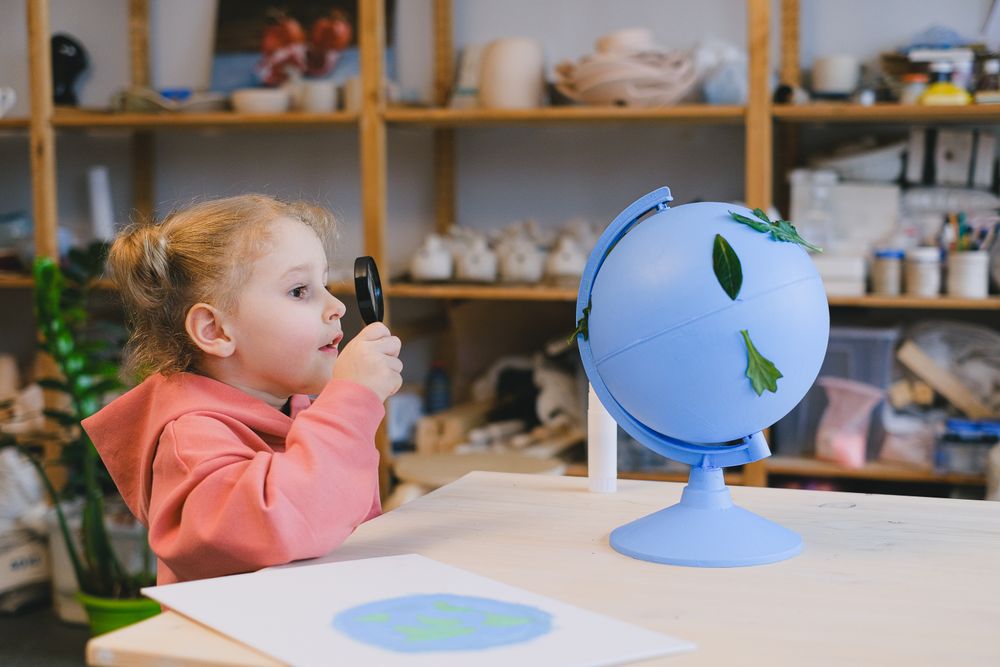
Your child experiences rapid neurological development during the first 5 years of life. Simple moments like sharing toys and responding to a teacher construct fundamental neural pathways. Shared activities teach young children how to manage impulses, read emotional cues, and express desires clearly.
Research shared by the Center on the Developing Child at Harvard University indicates that early experiences construct foundational neural pathways, which later support responsible decision-making and active community engagement. When educators guide toddlers through social conflicts with patient coaching, children learn to process big feelings with composure.
Consistent emotional feedback helps your child internalize healthy coping strategies. Rather than reacting with distress when a puzzle becomes difficult, a supported learner pauses, requests assistance, and tries a different method.
Why Predictable Daily Routines Build Self-Regulation
Children thrive when they understand what happens next. A structured daily rhythm gives toddlers a clear mental map of expectations, which reduces separation anxiety and builds internal discipline. Transitions between outdoor games, guided reading, and quiet rest periods cultivate working memory and mental agility.
Predictable schedules teach children how to switch gears smoothly. When a teacher alerts the group 5 minutes before cleanup, children practice shifting attention from play to group responsibility. Regular practice with predictable sequences strengthens the neural circuits responsible for planning and sustained focus.
How Do You Identify High-Caliber Learning Centers?
Finding a dependable early learning environment requires careful observation of classroom dynamics and teacher engagement. When you begin searching online for “child care near me” to support your child’s developmental path, you can visit the ones nearest to you and observe how staff members guide delicate emotional moments. Attentive caregivers address children at eye level, listen patiently, and validate feelings during morning drop-offs.
You should examine the physical arrangement of the room during your tour. High-caliber facilities maintain distinct learning stations, reachable supplies on low shelving, and open zones designed for group discovery. Organized floor plans give toddlers the freedom to select activities independently while learning how to clean up their play areas.
What Pedagogical Hallmarks Spark Lifelong Curiosity?
High-caliber early education balances deliberate teacher facilitation with open-ended play. Skilled educators introduce activities that invite curiosity rather than impose rigid answers. A water station with measuring cups or a table filled with building blocks invites hands-on physics, cooperation, and creative problem-solving.
Classroom climate plays an equal role in maintaining the intellectual drive. Principles documented by the National Association for the Education of Young Children show that when young learners feel genuinely respected by their teachers, they build stronger bonds with classmates, feel secure in their daily routines, and make steady academic strides.
Low Ratios and Structured Milestone Tracking
Maintaining low educator-to-child ratios directly influences classroom safety and instructional quality. A low ratio allows caregivers to notice subtle shifts in behavior, identify early speech patterns, and provide timely comfort when a child feels overwhelmed.
Educators track development through continuous, organic assessment rather than stressful testing. They watch how children solve challenges and express ideas throughout the day:
- Monitor social exchanges: Watch how toddlers share materials, negotiate turns, and resolve minor disagreements during cooperative play.
- Track motor abilities: Document how physical movement and drawing activities build hand strength, balance, and spatial awareness.
- Observe emotional recovery: Note how swiftly a child regains composure with gentle adult guidance after an unexpected setback.
How Community Programs Ease Kindergarten Transitions
Moving from an early care program into formal elementary school represents a major milestone for your family. Community-based learning centers bridge this shift by providing familiar routines that mirror the structure of primary classrooms. Children learn to line up, hang their backpacks in cubbies, and follow multi-step instructions from adults.
Community centers engage parents directly, building a strong partnership between home and school. When educators share progress notes and developmental strategies, you gain clear insights into your child’s emerging strengths.
Actionable Ways You Can Support Readiness at Home
School readiness begins with simple habits practiced around the kitchen table and living room rug. Engaging your child in daily conversations about thoughts and feelings strengthens vocabulary and emotional literacy. Asking open-ended questions like “What made you laugh today?” invites deep reflection and expressive communication.
Shared storybook reading represents another powerful habit. Point to pictures, ask what happens next, and talk about character choices. Involving your child in simple household chores creates a sense of agency and belonging.
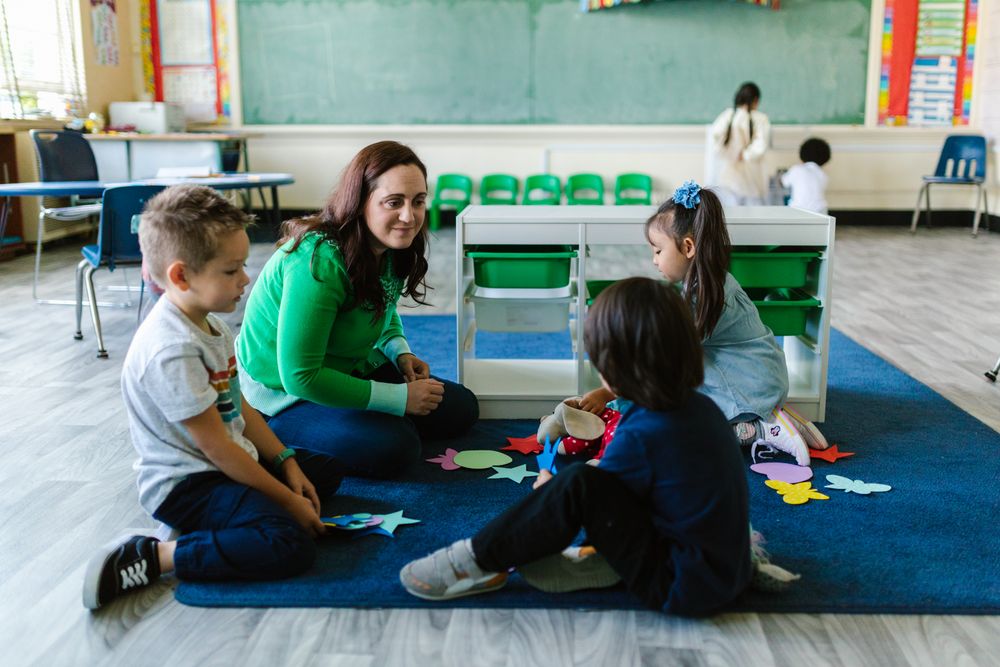
Investing in high-quality early learning environments builds lasting emotional resilience and cognitive adaptability. By choosing an environment rich in intentional play, patient mentorship, and predictable structure, you give your child a sturdy platform for lifelong growth. Every shared story, collaborative game, and guided challenge helps them step into the future with steady optimism.
