Unpredictable seasonal storms push homeowners toward impact-rated shingles and seamless gutters to prevent costly interior leaks and structural rot. Heavy downpours, strong wind gusts, and sudden temperature swings take a heavy toll on exposed roofing materials. Taking proactive care of your home exterior preserves long-term structural strength and keeps repair costs manageable.
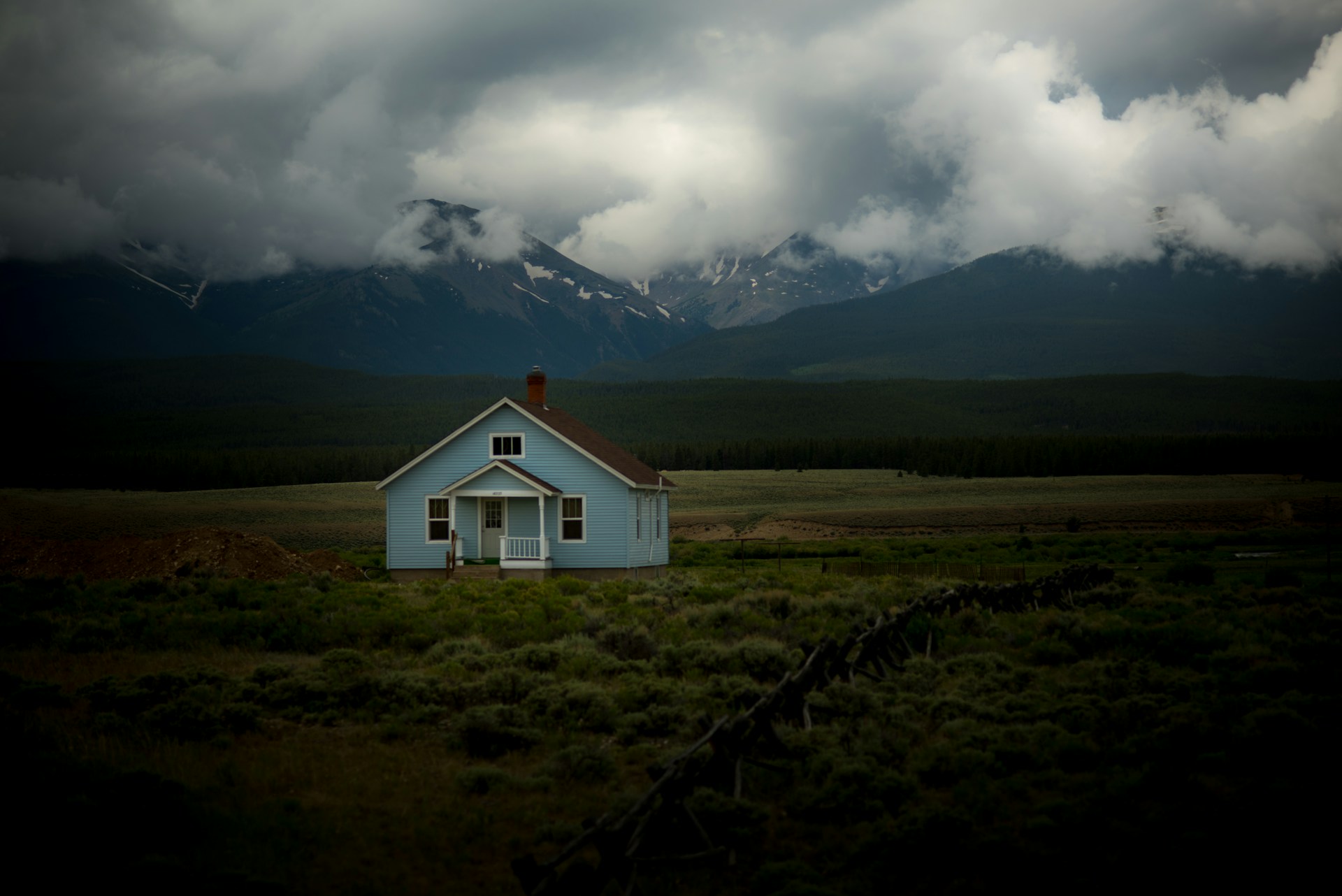
Understanding Your Roof Vulnerabilities After Severe Seasonal Storms
Sudden shifts in seasonal weather patterns push property owners toward proactive exterior maintenance as minor wear quickly turns into devastating water damage and expensive mold remediation. When intense rainstorms hit your region, your roof takes the heaviest blow. Spotting early trouble signs keeps your living space dry and safe. Routine checks help you catch minor shingle damage long before moisture compromises your ceiling drywall.
Hail impacts and flying branches tear through aging asphalt, creating invisible entry points for water. With each storm, recurring rain passes through compromised underlayment layers, soaking wooden rafters and ceiling insulation. Identifying these hidden vulnerabilities right after severe weather stops major structural damage.
Prompt attention to subtle signs prevents costly emergency repairs later in the season. Homeowners who schedule immediate inspections after heavy hail or wind events protect their structural framing. Small investments in quick surface fixes prevent water from pooling beneath loose shingles.
Evaluating Materials for Maximum Protection
Selecting replacement materials shapes how well your home handles severe weather for decades. Standard materials often degrade quickly under heavy ice, high winds, and intense heat cycles. Upgrading to weather-resistant products shields your roof deck against recurring storm damage. Homeowners need clear answers before agreeing to major exterior renovations. When you evaluate local experts for your upcoming project, check them out to review licensed regional contractors who specialize in comprehensive seasonal evaluations. Getting multiple professional estimates gives you a realistic benchmark for labor costs and project timelines.
How to Spot Subtle Warning Signs on Your Exterior
Checking your roof requires a careful eye for minor distress signals. Granule accumulation inside your downspouts points directly to advanced shingle wear that demands immediate attention. Curled shingle tabs and loose siding panels expose vulnerable underlayment layers to driving rain and heavy winds. Scanning your eaves and roof perimeter during daylight hours reveals shifted materials before leaks form.
A recent home improvement report from Forbes noted that identifying early red flags like granule loss can save property owners thousands of dollars in emergency structural fixes. When protective granules wash away, bare asphalt becomes exposed to harmful sun rays and intense heat. This accelerates material cracking and leaves your home vulnerable to heavy downpours.
Visual Inspections Around Your Roofline
Walking around your property with binoculars offers a safe way to spot missing shingles or warped fascia boards. Look closely at flashings near chimneys, skylights, and vent pipes where seals often break first. Sagging gutter lines indicate trapped water or failing fasteners that require swift repairs.
Why Gutter and Drainage Systems Matter

Managing heavy rainfall demands a reliable network of channels around your roofline. Torrential downpours threaten your foundation and fascia boards if not properly diverted away from the structure. Seamless gutters paired with protective gutter guards prevent clogs that cause water to back up underneath your roof edge. Directing water safely away from your perimeter protects structural framing from rot and preserves your property value.
An industry guide published by Angi pointed out that proper drainage networks and seamless gutters serve as the main defense against costly foundation and fascia damage. Without seamless channels, overflowing rain pools near the foundation, eroding supporting soil season after season. Installing heavy-duty downspout extensions directs runoff 5 feet or more away from home foundations.
Proper slope alignment keeps rainwater moving steadily toward discharge zones without overflowing during sudden downpours. Routine gutter cleaning twice each year removes decay-causing leaves and organic sludge. Clean drainage pathways shield your property against basement leaks and standing water.
Why Choose Impact-Resistant Architectural Shingles
Severe weather trends make standard three-tab shingles less reliable for modern homeowners. Investing in reinforced architectural shingle layers helps your household withstand high winds and flying debris during intense storms. Looking for products certified by independent testing organizations ensures high impact resistance. Selecting these durable upgrades reduces the frequency of emergency repairs after major weather events.
Class 4 impact-rated shingles withstand heavy hail impacts that normally shatter conventional roofing products. Fiber-reinforced asphalt cores absorb energy without cracking, preserving watertightness during severe storms. Many insurance providers offer annual premium discounts for properties protected by certified impact-resistant materials.
Multi-layered architectural shingles offer superior wind resistance, reaching ratings up to 130 miles per hour. Heavy adhesive strips lock overlapping rows tightly together during severe windstorms. This heavy construction prevents blow-offs throughout extreme seasonal shifts.
Upgrading Your Roof Deck Shielding
Adding synthetic underlayment beneath architectural shingles provides a secondary barrier against wind-driven rain and seasonal storms. Synthetic materials resist tearing during installation and will not rot when exposed to water. Combining strong underlayment with impact-rated shingles maximizes total roof life.
What to Look for in Contractor Warranties
Navigating material choices and installation bids requires careful attention to manufacturer backing. Manufacturer-backed warranties give your family true peace of mind when funding major architectural shingle upgrades. Licensed professionals stand behind their installation craftsmanship with comprehensive labor guarantees that protect your investment. Asking the right questions about warranty coverage protects you from unexpected out-of-pocket costs down the road.
Workmanship warranties cover installation errors that lead to unexpected leaks or premature material failure. Reputable contractors back their labor for 10 to 25 years beyond standard material coverage. Reviewing written terms carefully protects against contractor oversight or faulty installation techniques.
Simple Maintenance Steps for Homeowners
- Inspect downspouts monthly: Check for excessive shingle granules to gauge roof wear.
- Clear gutter debris: Remove leaves and twigs to maintain smooth water flow.
- Trim nearby tree branches: Cut overhanging limbs to prevent storm scraping and debris build-up.
- Check perimeter flashing: Verify watertight seals around vents, chimneys, and skylights.
Protecting Your Attic and Framing Year-Round
- Examine attic spaces: Look for damp insulation or water stains after heavy rain.
- Monitor roof ventilation: Verify ridge vents and soffit openings remain unblocked year-round.
- Check attic temperature: Balanced airflow helps prevent ice dams from forming along eave lines during winter.
- Seal interior ceiling gaps: Close openings around attic hatches and light fixtures to keep humid air out.
Proactive exterior inspections protect your structure and help you avoid unexpected financial burdens. Keeping a close watch on your roofline ensures that minor seasonal storms never turn into major interior catastrophes. Spending time on exterior upkeep today protects your family, secures your budget, and maintains strong property value for years to come.
