A severe storm can wreck more than your weekend plans. It can flatten vegetable beds, strip mulch, crack siding, loosen shingles, and leave your yard holding water in all the wrong places. If you garden, you already know your outdoor space is connected to your house more than most people realize.
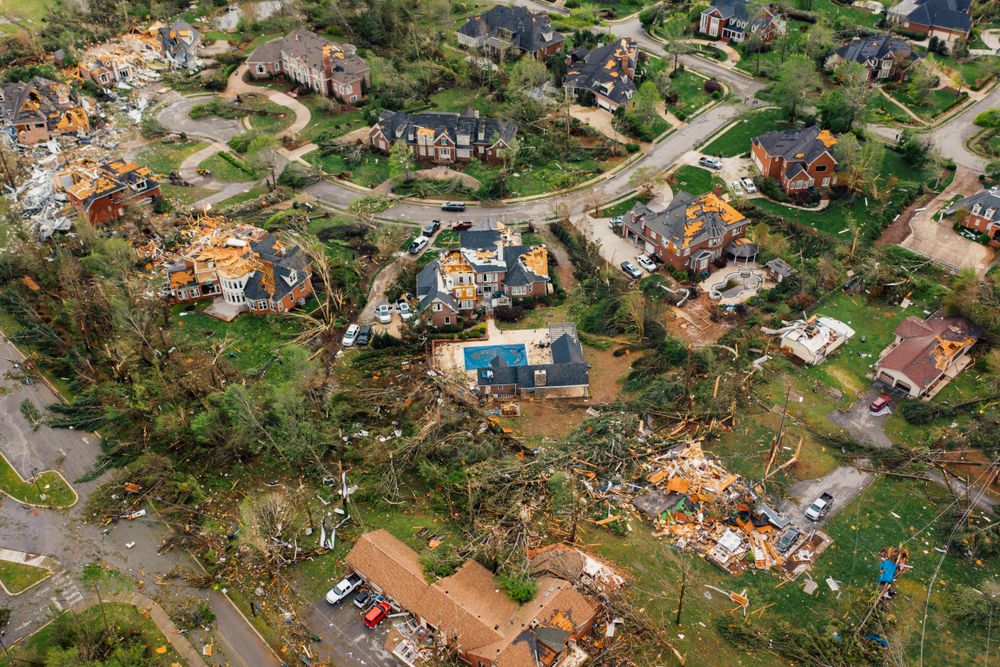
Start With a Safety-First Walkthrough
Right after a storm, your first job is not cleanup. It’s assessment. Walk your property slowly and look for hazards before you touch anything. Downed power lines, hanging branches, broken glass, exposed nails, and unstable fencing can all turn a simple yard check into an emergency.
Pay close attention to roof edges, gutters, soffits, deck stairs, and any trees leaning toward the house. In the garden, raised beds may look harmless but can hide sharp debris or pooled water around electrical features like lighting. Take photos as you move through the property.
That documentation matters if you end up filing an insurance claim. It also helps you compare changes over the next few days, especially if water intrusion or structural movement wasn’t obvious at first glance.
Check the Roof and Siding Before You Focus on Plants
It’s natural to rush toward damaged flowers, tomatoes, or toppled containers. Your house exterior needs attention first because hidden envelope damage can create more expensive issues than a ruined planting bed. Wind-driven rain often gets behind siding, under shingles, and into trim joints where moisture can sit unnoticed.
Look for missing shingles, dented flashing, granule loss in gutters, cracked vinyl, warped trim, and stains near exterior vents. Hail can leave small impact marks that seem cosmetic but reduce material lifespan. If your home took a hard hit, professional storm damage restoration services may help you identify and repair problems before they lead to rot, mold, or insulation damage.
You’re not just fixing appearances. You’re protecting the building envelope, which directly affects your yard drainage, patio durability, and long-term maintenance costs.
Figure Out What Your Soil Went Through
Storm recovery in the garden is not only about broken stems. Soil condition usually decides what happens next. Heavy rain can compact soil, wash away nutrients, spread fungal spores, and move mulch into dense piles that block oxygen around plant crowns.
Start by checking drainage. If water is still sitting after 24 to 48 hours, you may have compaction or grading issues. Don’t start digging while the soil is soggy. That can destroy structure even more. Instead, wait until it’s workable, then loosen compacted zones gently and top-dress with compost where erosion stripped the surface.
If runoff from roofing materials, fences, or neighboring lots flowed into vegetable beds, be cautious with edible crops. Sediment can carry contaminants. In some cases, it makes sense to remove damaged leafy greens and monitor the area before replanting.
Save Plants Strategically Instead of Trying to Save Everything
Not every storm-damaged plant deserves an emergency rescue. Some recover fast with clean pruning and a few dry days. Others become disease magnets and drain your time. The smartest approach is triage.
Remove snapped stems with clean cuts, stake plants that have a stable root zone, and rinse mud off leaves only if it’s caked heavily enough to block photosynthesis. Annuals that were shredded by hail may not be worth reviving late in the season. Perennials with intact crowns often bounce back better than they look at first.
Watch for stem cankers, blackened tissue, and soft rot near the base. Those signs usually get worse, not better. For shrubs, check whether roots shifted in the ground. A plant that rocks when you touch it may need resetting or replacement. Quick decisions keep fungal pressure lower across the whole bed.
Pay Attention to Gutters, Downspouts, and Runoff Paths
One storm can reveal drainage flaws you never noticed during normal weather. Overflowing gutters, detached downspouts, and splashback on siding often send water straight into foundation beds, crawl spaces, or basement walls. You might think you had a garden problem when the real issue started at the roofline.
After the storm, inspect where water exited the house. Look for trenches in mulch, exposed roots, washed-out gravel, and sediment fans across walkways. Those are clues that runoff volume exceeded your current setup. Reattaching a downspout is helpful, but it may not be enough if grading pitches toward the home.
Use the storm as a performance test. If one area floods every time, redesign it. A simple swale, downspout extension, rain garden, or tougher plant selection can reduce future damage and cut the stress of every severe weather alert.
Know When Cleanup Can Wait and When It Can’t
Some post-storm mess is ugly but harmless for a few days. Some needs action immediately. Branches lying on lawn areas can often wait until the ground dries a bit. Wet insulation, lifted shingles, water behind siding, and standing water near the foundation should not.
The same goes for tree limbs touching the roof or scraping against windows. Repeated movement in the wind can turn minor damage into broken flashing, torn screens, or cracked panes. Inside the house, check ceilings, attic corners, and the backs of exterior walls for new stains or damp smells.
In the garden, remove debris that blocks air circulation around plants. Wet, packed material creates the perfect setup for mildew and bacterial issues. The goal is not instant perfection. It’s preventing secondary damage, which is usually where repair bills grow fast.
Build a More Storm-Resilient Yard Going Forward
Once the emergency phase is over, you can start planning smarter. A resilient yard is not a yard that never takes damage. It’s a yard that drains well, recovers fast, and doesn’t send problems toward your home. That means choosing plants with stronger structure, using mulch correctly, and avoiding layouts that trap water against foundations or fences.
Consider pruning trees with wind load in mind, not just shape. Replace weak edging that turns into projectiles. Secure containers before storm season. If you grow food, keep a backup plan for vulnerable crops such as trellised tomatoes, peppers, and cucumbers.
Also think about your home and landscape as one system. Stronger roofing components, well-maintained gutters, durable exterior materials, and better runoff management all support a healthier garden. Storm recovery gets easier when your house and yard stop working against each other.
A Calm Response Saves More Than a Rushed One
The hours after a storm can make you want to fix everything at once. That usually leads to missed damage, wasted effort, and repairs in the wrong order. A calm, methodical response protects your garden, your budget, and your house exterior.
Start with safety, document everything, stabilize urgent exterior issues, then move into soil and plant recovery. Keep an eye on drainage patterns and signs of hidden moisture over the next week. Storm damage often unfolds in stages.
Your yard may look rough for a while, and that’s normal. Recovery is less about making it look perfect by tomorrow and more about making sure the next storm has less power to wreck what you’ve built.
