Many parents look at vitamins, probiotics, minerals, and other supplements as a way to support a child’s nutrition, especially when picky eating, busy schedules, or dietary restrictions make balanced meals challenging. While some supplements can be helpful when used appropriately, the label is where parents should begin. A supplement label can reveal what is actually in the product, how much is included, who it is meant for, and whether the claims deserve closer attention.
The label is also where marketing language meets regulatory fine print, so knowing how to read it helps you choose with confidence. For instance, high-fiber gummies can be an easy, kid-friendly way to support healthy digestion, and a quick look at the serving size, added sugars, active ingredients and age recommendations helps you find the right one for your child. Bright packaging or a “natural” claim can catch the eye, but the details on the label tell you whether a product is the right fit.
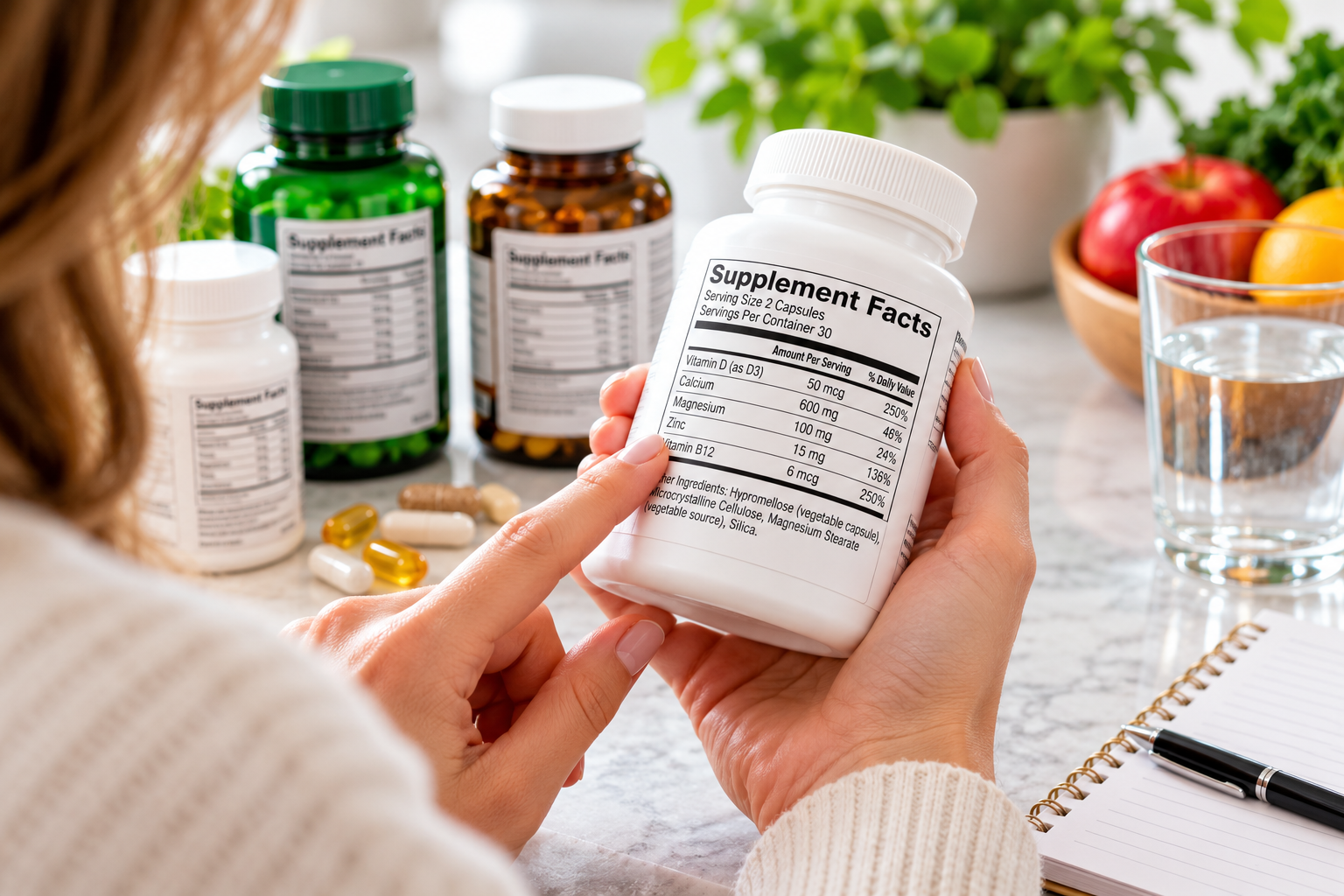
Start With the Supplement Facts Panel
The Supplement Facts panel is the most important part of the label. It lists the active ingredients, the amount per serving, and the percent Daily Value when one has been established. Parents should compare these amounts with a child’s age, diet, and health needs.
More is not always better. Fat-soluble vitamins such as A, D, E, and K can build up in the body if taken in excessive amounts. Minerals such as iron and zinc can also cause problems if overused. If a supplement contains high percentages of the Daily Value, parents should consider whether the child is already getting the same nutrients from fortified foods or other products.
Check the Serving Size Carefully
Serving size can be easy to overlook. A bottle may appear to offer a low dose, but the listed serving could be two, three, or even four pieces. This matters for nutrients, calories, and added sugars.
Parents should also check whether the serving size is based on adults or children. Some products are marketed to the whole family, but the directions may differ by age. Never assume that half an adult dose is appropriate for a child unless a pediatrician or qualified health professional recommends it.
Watch for Added Sugars and Sweeteners
Children’s supplements, especially chewables and gummies, often contain sweeteners to improve taste. While a small amount may not be a major concern, daily use can add up. Look for added sugars, corn syrup, cane sugar, glucose syrup, or fruit juice concentrate.
Sugar alcohols and other sweeteners may also appear on labels. These can cause stomach discomfort, gas, or diarrhea in some children. If a child has a sensitive stomach, parents should pay attention to these ingredients and introduce any new supplement cautiously.
Understand Label Claims
Words like “supports immunity,” “promotes focus,” or “helps digestion” can sound convincing. However, supplement claims are usually not the same as proven medical benefits. In the United States, dietary supplements are regulated differently from prescription or over-the-counter medications. Manufacturers are responsible for ensuring their products are safe and accurately labeled, but supplements do not go through the same approval process as drugs before reaching store shelves.
Parents should be cautious with products that promise quick results, dramatic improvements, or cures for health conditions. If a claim sounds too good to be true, it deserves extra scrutiny.
Look for Third-Party Testing
Third-party testing can provide additional confidence that a supplement contains what the label says and is screened for certain contaminants. Look for seals from organizations such as USP, NSF, or ConsumerLab. These certifications can help confirm quality and consistency.
This is especially important for supplements containing herbs, blends, or high-dose ingredients. Some products may include ingredients not clearly highlighted on the front of the package.
Review Inactive Ingredients
Inactive ingredients can matter, too. These may include colors, flavors, preservatives, gelatin, allergens, or oils. Parents of children with allergies should carefully review the full ingredient list and allergen statements.
Families following vegetarian, vegan, kosher, halal, or gluten-free diets should also confirm that the product meets those needs.
Talk With a Health Professional
Before starting a supplement, parents should consider speaking with a pediatrician, pharmacist, or registered dietitian. This is especially important if a child takes medication, has a medical condition, follows a restricted diet, or already uses another supplement.
A health professional can help determine whether supplementation is necessary and suggest a safe dose. In many cases, improving food variety may be the first and best step.
Store Supplements Safely
Because many children’s supplements look and taste like candy, safe storage is essential. Keep bottles tightly closed and out of reach. Accidental overconsumption can be dangerous, particularly with iron-containing products.
Reading supplement labels carefully helps parents make informed choices. By looking beyond the front of the package and understanding the details, families can better protect children’s health and avoid unnecessary risks.
