Winter cold snaps and autumn chill frequently force unwanted creatures toward foundation walls and roof lines. When outdoor environments grow inhospitable, rodents and insects seek warmth, food, and shelter inside domestic spaces. Property owners often respond by applying sprays or scatter poisons, but these reactive measures fail to resolve underlying vulnerabilities.
Taking a proactive approach prevents infestations before they take root inside your living spaces. Modern integrated pest management focuses on building physical barriers and altering indoor microclimates. By addressing structural gaps and eliminating excess humidity, you create a resilient home environment that keeps unwanted wildlife outside where it belongs.
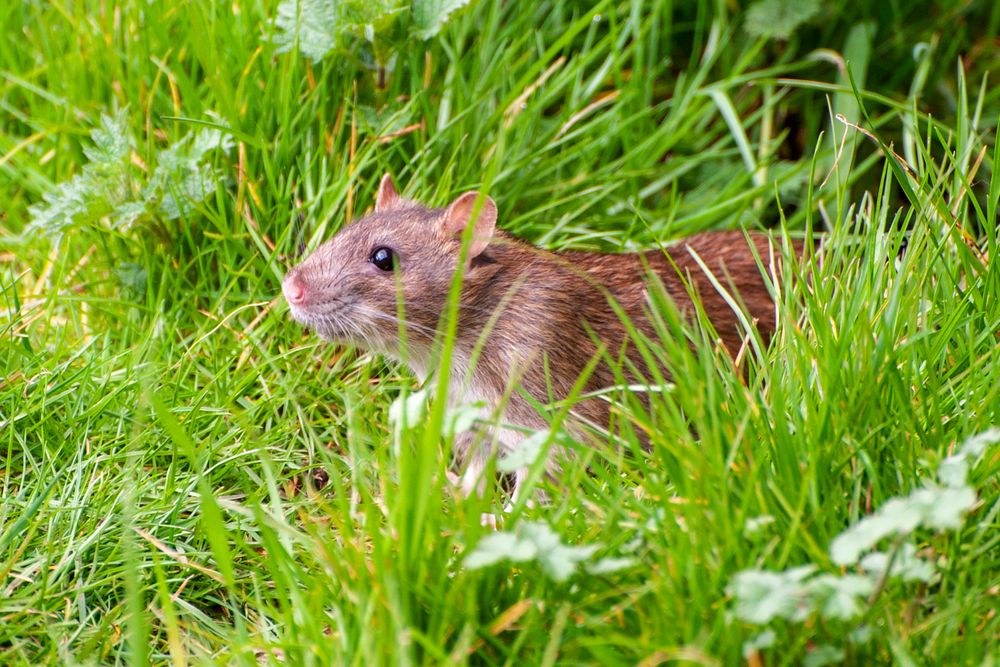
How do seasonal temperature changes drive pests indoors?
Fluctuating outdoor temperatures disrupt the natural habits of insects and rodents. As autumn brings cooler nights, pests instinctively follow thermal currents escaping through cracks in your home’s exterior. Warm air leaking through doors, windows, and structural seams acts as a beacon, guiding foraging pests straight toward your living space.
Once inside, these organisms find consistent shelter and easy access to basic resources. Attic voids, crawlspaces, and wall cavities offer sanctuary from harsh outdoor elements. Preventing this seasonal migration requires early attention to the physical boundary separating your interior living areas from the natural environment.
Identifying and sealing overlooked envelope penetrations
Small gaps around building entry points provide easy access for creeping insects and small mammals. Inspecting your foundation wall at ground level often reveals unsealed utility lines, open weep holes, and compromised crawlspace access doors. Even microscopic openings allow tiny insects to crawl directly into structural framing.
Prioritizing physical exclusion stops invaders long before they colonize interior rooms. When structural entry points are difficult to access or seasonal pressure intensifies, property owners often turn to a licensed Professional Pest Control Services to conduct a thorough perimeter audit and seal vulnerable building transitions. Establishing this protective barrier preserves indoor hygiene and prevents structural damage caused by nesting pests.
Auditing exterior doorframes and threshold seals
Doorways represent one of the most frequent entry points for creeping insects and opportunistic rodents. Light shining under an exterior door indicates a gap wide enough for crawling pests to enter effortlessly.
- Replace worn weatherstripping: Inspect flexible rubber seals along door edges and swap out brittle material to block drafts and insects.
- Install heavy-duty sweeps: Fasten durable brush or vinyl sweeps to the bottom of all exterior doors to eliminate ground clearance.
- Adjust threshold heights: Raise door sills until they make firm, uniform contact with bottom sweeps across the entire span.
Inspecting foundation vents and utility penetrations
Utility wires, plumbing pipes, and HVAC lines pass through exterior walls, leaving small gaps in brick or siding. Fill these gaps with expanding foam or silicone sealant to prevent insect movement. Subfloor vent screens also deteriorate over time, allowing mice or rats to nest inside crawlspaces. Replacing damaged wire mesh with heavy-gauge galvanised steel hardware cloth keeps animals from chewing their way into floor joists.
According to guidance from the Environmental Protection Agency, integrated pest management relies on a combination of common-sense practices to reduce structural pest hazards before populations establish themselves. Checking these entry points twice each year keeps your home secure against seasonal migration.
How does managing interior moisture eliminate pest attraction?
Insects require moisture to survive, making damp microclimates primary attractants for indoor infestations. Silverfish, wood-boring beetles, and cockroaches thrive in environments with elevated humidity. Bathrooms, basements, and crawlspaces provide ideal conditions when air circulation remains poor or minor leaks go unnoticed.
Lowering indoor moisture levels makes your living spaces inhospitable to moisture-seeking pests. Fixing leaky pipes beneath sinks, using exhaust fans during showers, and installing dehumidifiers in damp basements disrupt insect life cycles. Addressing atmospheric dampness removes the primary resource attracting scavengers into structural voids.
Regulating crawlspace humidity and perimeter drainage
Water pooling near foundation walls creates damp conditions that draw insects toward your home. Gutters choked with leaves overflow during rainstorms, dumping bulk water right at the base of your exterior walls.
- Clean roof gutters: Remove leaves and debris every spring and autumn so rainwater flows freely through downspouts.
- Extend downspout outlets: Direct water runoff at least 5 feet away from foundation walls using rigid drain extenders.
- Lay vapor barriers: Cover exposed crawlspace earth with heavy plastic sheeting to stop ground moisture from rising into floor joists.
Correcting exterior grading and vegetation contact
Soil sloped toward your house directs groundwater against foundation walls, creating damp conditions that attract wood-destroying organisms. Regrading landscape beds so ground slopes away from your home encourages proper drainage away from structural footings.
Data published by the Centers for Disease Control and Prevention confirms that eliminating sources of food, water, and shelter serves as the most effective method for preventing residential pest infestations. Trimming tree branches and shrubs at least 2 feet back from exterior walls prevents pests from using foliage as bridges onto your siding or roofline.
Transitioning from reactive spraying to proactive deterrence
Broad-spectrum chemical sprays provide temporary relief, but they rarely resolve root causes. Repeated pesticide applications expose household members to chemical residues while leaving structural entry points open. Transitioning to sustainable physical controls disrupts pest lifecycles cleanly and permanently.
Combining rigorous indoor sanitation with exterior structural maintenance creates a robust defense system. Storing pantry items in airtight glass or thick plastic containers deprives rodents and insects of food sources. Daily kitchen cleanup, combined with prompt trash disposal, eliminates scent trails that guide pests into food storage areas.
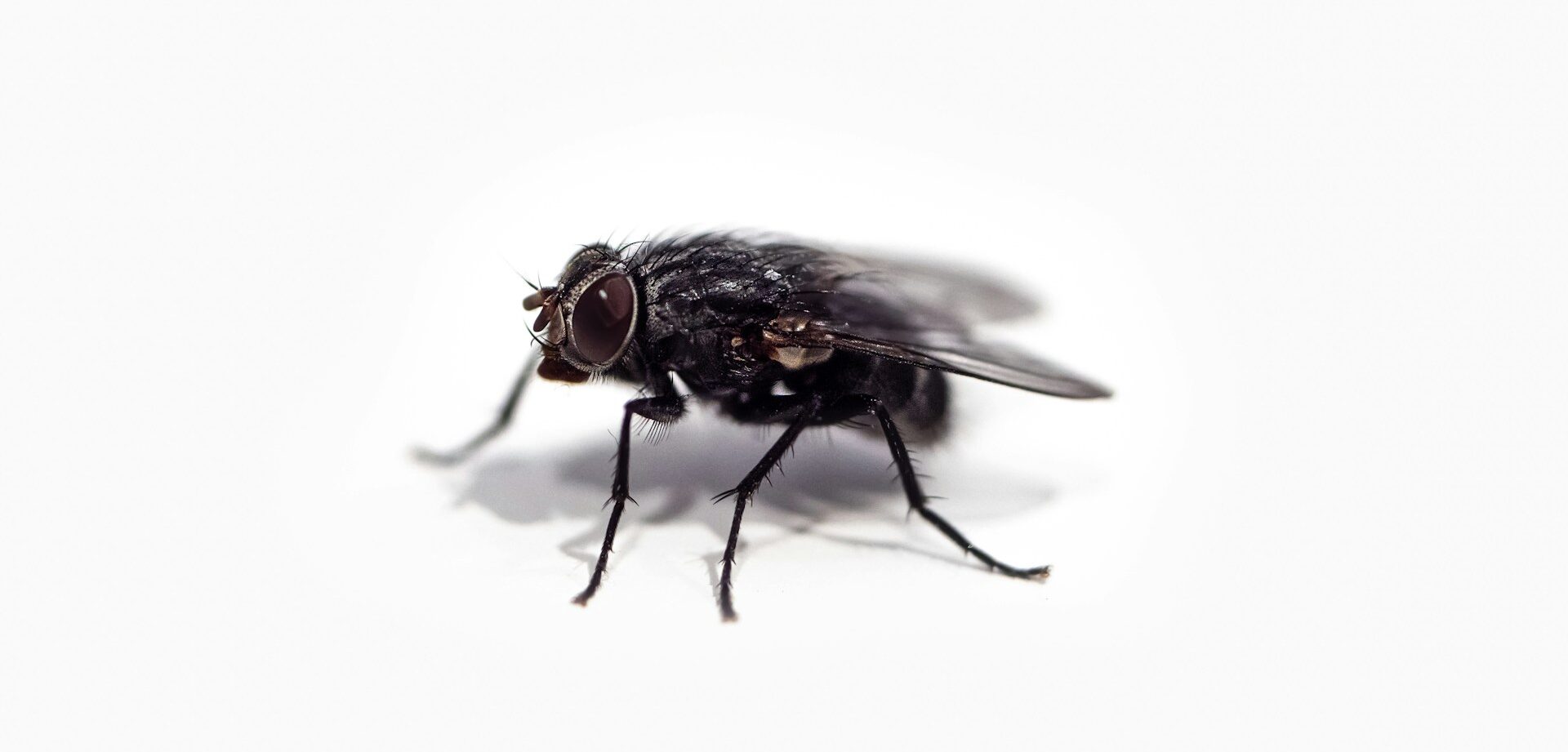
Maintaining an active defense strategy keeps your living environment safe, clean, and comfortable year-round. Inspecting your home envelope each autumn and spring ensures small gaps are sealed before seasonal pests attempt to move inside. Taking simple, preventative steps protects your property investments while keeping unwanted visitors outside where they belong.
