Plumbing emergencies can strike at any time, causing significant stress and potential damage to your home. Whether it’s a burst pipe or a stubborn clog, knowing who to call is crucial. This guide delves into the critical services offered by a Local Emergency Plumber and how homeowners can prepare for unexpected plumbing issues. From understanding the common problems that might arise to selecting the best emergency plumber for your needs, this article provides the insights you need to keep your home safe and functional.
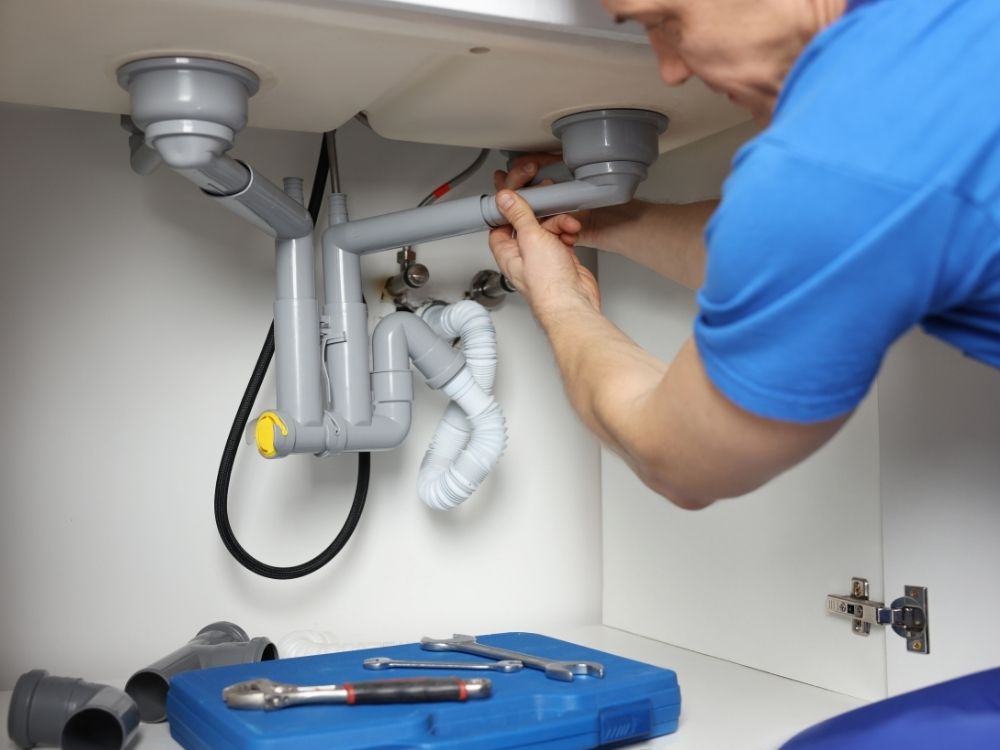
Local Emergency Plumber: Key Services for Immediate Needs
When a plumbing emergency occurs, response time is crucial. A Local Emergency Plumber typically offers 24/7 services to address issues such as overflowing toilets, sewer backups, and water heater malfunctions. These professionals are equipped with specialized tools like pipe inspection cameras, which allow them to diagnose issues accurately without invasive procedures. This is particularly important in homes designed with Universal Design Specialist principles, where accessibility and minimal disruption are priorities.
Another critical service provided is leak detection, which is especially vital in homes with older plumbing systems. Undetected leaks can lead to mold growth, which affects indoor air quality. Regular Indoor Air Quality Assessments can help identify problems early, allowing the plumber to address them before they escalate.
Lastly, emergency plumbers often offer water damage mitigation services. This includes immediate actions to prevent further damage, such as shutting off the main water supply and using wet vacs to remove standing water. These services are essential during disasters, highlighting the importance of having a Disaster Preparedness Plan that includes plumbing contingencies.
Common Plumbing Emergencies Homeowners Face
Understanding the common types of plumbing emergencies can help homeowners react quickly and effectively. Burst pipes are a frequent issue, especially in colder climates where freezing temperatures can cause pipes to crack. In such cases, quick action is needed to prevent significant water damage.
Clogged drains and toilets are another common problem. These can often be resolved with a plunger, but persistent blockages may require professional intervention. Utilizing Appliance Energy Ratings can also help identify inefficiencies in older plumbing fixtures that contribute to these issues.
Water heater failures are also prevalent, often occurring at the most inconvenient times. Regular maintenance checks can prevent unexpected breakdowns, ensuring that you have a reliable source of hot water when you need it most. This highlights the importance of having a Home Inventory Management System to keep track of appliance warranties and service schedules.
Choosing the Right Local Emergency Plumber
Selecting the right professional for your plumbing needs involves more than just a quick internet search. Homeowners should consider factors such as licensing, insurance, and customer reviews. A reputable Local Emergency Plumber will have the necessary credentials and a track record of reliable service.
It’s also beneficial to inquire about the plumber’s experience with specific issues, such as those related to smart home technology. Smart Home Integration in plumbing can include systems like leak detectors that alert homeowners to potential problems before they become emergencies.
Additionally, homeowners should seek out plumbers who are familiar with Eco-Friendly Building Materials. This ensures that any necessary replacements or repairs will align with sustainable practices, reducing environmental impact and potentially lowering utility bills.
Preventative Measures to Avoid Plumbing Emergencies
Preventing plumbing emergencies begins with regular maintenance and inspections. Scheduling a Childproofing Inspection can help ensure that your home’s plumbing is safe and secure, especially in households with young children.
Implementing a Disaster Preparedness Plan specific to plumbing can also be beneficial. This includes knowing the location of shut-off valves and having a list of emergency contacts, including your preferred plumbing service.
Moreover, investing in a Home Inventory Management System can help keep track of plumbing-related appliances and fixtures, ensuring timely maintenance and reducing the likelihood of sudden failures. Regularly updating this system can save time and money in the long run.
Conclusion
Being prepared for plumbing emergencies involves knowing the right services and preventative measures. Homeowners benefit from having a reliable Local Emergency Plumber on call, understanding common issues, and taking steps to mitigate risks. By integrating these practices into your home management routine, you ensure a safer, more efficient living environment.
