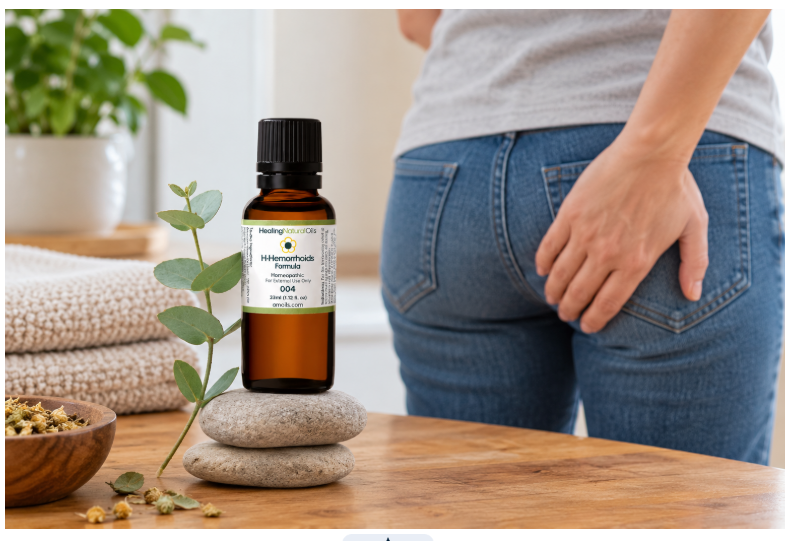
Hemorrhoids can make ordinary activities such as sitting, walking, or using the bathroom surprisingly uncomfortable. When symptoms are mild, many people first look for simple at-home options that may help manage itching, irritation, swelling, or discomfort. H-Hemorrhoids Formula is one topical oil designed for this type of use. Rather than treating the product as a guaranteed solution, it is more useful to look at what a topical oil is intended to do, how it fits into everyday hemorrhoid care, and what limitations should be kept in mind.
What Are Hemorrhoids?
Hemorrhoids, sometimes called piles, are swollen veins around the anus or in the lower rectum. They can be internal or external, and the symptoms can vary depending on the type. External hemorrhoids may cause itching, irritation, swelling, or pain, while internal hemorrhoids can sometimes cause bright-red bleeding during bowel movements.
Constipation, straining during bowel movements, spending a long time on the toilet, and not getting enough fiber can contribute to the pressure that causes hemorrhoids. This is why managing the underlying bowel habits is just as important as choosing something to apply to the affected area.
What Is the H-Hemorrhoids Formula?
H-Hemorrhoids Formula is a topical oil intended for application around the affected area. Unlike oral treatments, a topical product is used directly on the skin, making it a different type of approach to symptom management.
If you are researching the product itself, the manufacturer’s information about its formulation and intended use can be found through this topical oil for hemorrhoids page. Reading the product directions is important because topical preparations can differ in their ingredients, application instructions, and recommended frequency.
It is also worth keeping expectations realistic. A topical oil should not automatically be viewed as a substitute for medical evaluation, particularly when symptoms are persistent, severe, or accompanied by unexplained bleeding.
How Can a Topical Oil Fit Into Hemorrhoid Care?
Topical products are generally used to help manage local symptoms such as irritation, itching, or discomfort. Conventional hemorrhoid products can contain ingredients such as hydrocortisone, witch hazel, or local anesthetics, depending on the formulation. These products may provide temporary relief, but they do not necessarily address the factors that caused hemorrhoids in the first place.
That distinction is important when considering any topical oil. If constipation and straining continue, applying a topical product alone may not be enough to prevent symptoms from returning. A more complete approach usually includes softer stools, adequate fiber and fluid intake, avoiding unnecessary straining, and keeping toilet time reasonably short. The National Institute of Diabetes and Digestive and Kidney Diseases (NIDDK) recommends these types of lifestyle measures as part of hemorrhoid care.
What Should You Look for When Reviewing a Hemorrhoid Oil?
A useful review should go beyond asking whether a product is “good” or “bad.” Instead, consider whether the product clearly explains its ingredients, intended use, application instructions, and precautions.
Skin around the anus can also be sensitive. If an oil causes burning, increased irritation, redness, or a rash, stopping its use and discussing the reaction with a healthcare professional is sensible. It is also important to follow the manufacturer’s instructions rather than assuming that using more of a topical preparation will produce faster results.
Those looking for broader information about non-surgical approaches can also explore this homeopathic hemorrhoid treatment resource, which provides additional discussion around hemorrhoid care.
Lifestyle Changes Still Matter
One of the easiest mistakes when dealing with hemorrhoids is focusing entirely on a topical product while overlooking bowel habits. Fiber-rich foods such as vegetables, fruits, whole grains, beans, and other high-fiber choices can help make stools easier to pass. Drinking enough fluids can also support healthy bowel movements.
Warm sitz baths may provide additional comfort, while avoiding prolonged sitting on the toilet can reduce unnecessary pressure. NIDDK also recommends avoiding straining and notes that over-the-counter creams, ointments, and suppositories may help relieve mild symptoms of external hemorrhoids.
When Should You Speak With a Doctor?
Not every symptom around the anus is caused by hemorrhoids. Rectal bleeding, in particular, should not automatically be attributed to piles. Mayo Clinic notes that bleeding can have other causes and recommends medical evaluation when bleeding occurs, especially when symptoms do not improve with home care.
Medical advice is especially important when there is heavy bleeding, severe pain, dizziness, fainting, fever, or symptoms that continue despite home treatment. NIDDK advises seeking immediate care for severe anal pain accompanied by rectal bleeding, particularly when abdominal discomfort, diarrhea, or fever is also present.
Final Thoughts
H-Hemorrhoids Formula is best understood as a topical option that can be considered alongside broader hemorrhoid-care habits, rather than as a standalone answer to every hemorrhoid problem. A sensible review should consider the product’s ingredients and directions while also recognizing that hemorrhoids can have different causes and levels of severity.
For mild symptoms, practical measures such as increasing fiber, staying hydrated, avoiding straining, and using appropriate topical care may help. If symptoms persist, worsen, or involve significant bleeding or pain, professional medical advice is more important than continuing to experiment with topical products. This balanced approach helps keep expectations realistic while putting overall health ahead of any single treatment.
