Music is one of the easiest ways for families to connect across generations. Parents can introduce children to the albums they grew up with, kids can bring home new artists and genres, and everyone can argue — usually with great enthusiasm — about what deserves to be played next. That makes collecting music more than a hobby. Vinyl records, CDs, cassette tapes, turntables, and music-related collectibles can help you explore music history, develop personal tastes, and create memories together.
You do not need a rare pressing or a wall-sized record collection to get started. In fact, the best family collection is usually the one that reflects the people building it.
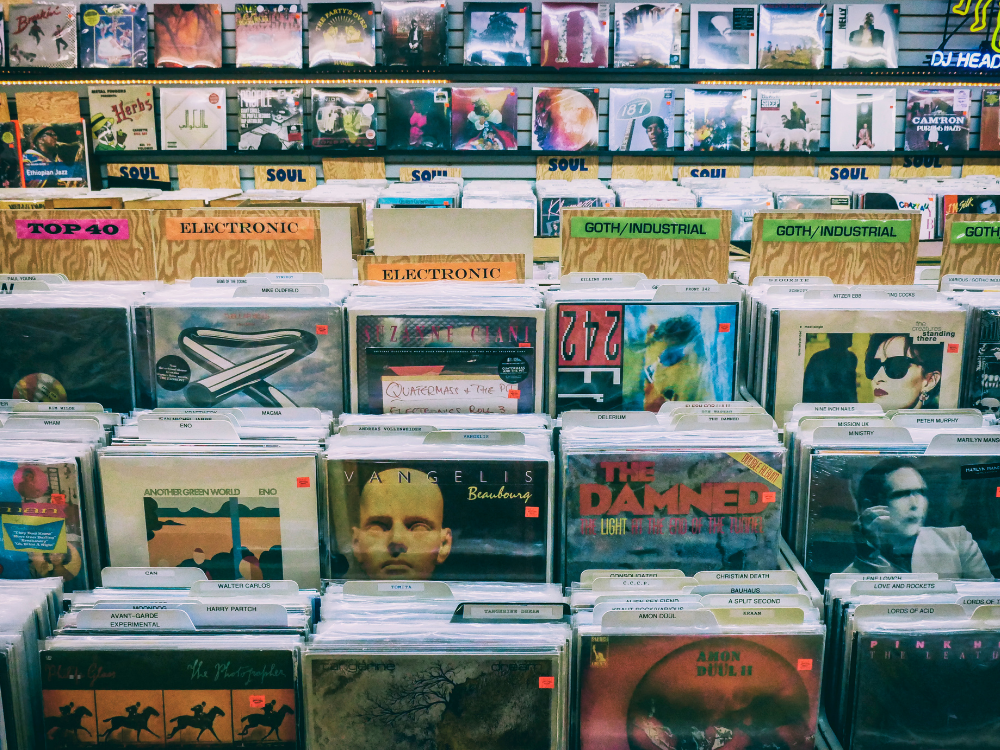
Start With What Your Family Already Loves
The easiest way to begin isn’t to decide what a “proper” collection should contain. Start with the music your family actually enjoys. One person might choose a favorite album. Another might pick a soundtrack from a beloved movie. Someone else may want a classic record they have heard about but never owned.
This approach also makes collecting accessible to children. Instead of treating music history as homework, let them choose something based on curiosity. A child who loves a particular artist might want to explore another album by the same musician. Someone fascinated by an older sibling’s CDs might become interested in how music formats have changed.
There is no wrong starting point. Unless, perhaps, someone tries to claim that one particular genre is objectively the only good one. That is usually where family harmony ends.
Understand the Formats
Part of the fun of collecting physical music is discovering how different formats work.
Vinyl records offer the traditional album experience, from selecting a record to placing it on a turntable and turning it over when the side ends. Album artwork and physical packaging also make records appealing as objects, not just listening formats.
CDs remain an accessible way to own music physically. They are compact, easy to store, and can introduce younger collectors to albums without requiring a turntable setup.
Cassette tapes bring another chapter of music history into the collection. Their distinctive format and nostalgic appeal make them interesting collectibles, while younger listeners may enjoy discovering a medium that feels completely different from streaming.
Then there are turntables and audio accessories, which make listening to vinyl an activity in itself. A family can learn together how to handle records, how a turntable works, and why proper care matters.
Finally, music-related collectibles can add another dimension. Books, Blu-rays, DVDs, and other items connected to artists and recorded music can help tell the story behind the music.
As Edgar Bronfman Jr. explained, “The history of the music industry is inevitably also the story of the development of technology. From the player piano to the vinyl disc, from reel-to-reel tape to the cassette, from the CD to the digital download, these formats and devices changed not only the way music was consumed, but the very way artists created it.”
That history gives families plenty to explore.
Make Listening Part of the Experience
Collecting music is more rewarding when you actually use it. Set aside an evening for listening to an album from beginning to end. Let each family member take turns choosing the music. Put on a record while cooking dinner, or use a CD during a family activity.
The point is not to recreate some perfectly curated listening-room experience. It is simply to make music part of everyday life.
Physical formats can encourage a different kind of attention, too. Streaming makes almost everything immediately available, which is convenient but can make music feel disposable. Choosing an album and physically playing it creates a small amount of intention around listening.
Norah Jones has highlighted this value, saying, “I think it’s important for people who love music to retain physical CDs or even vinyl, because it sounds so great and so much warmer than music over the internet.”
For families, that physical connection can be particularly useful. Music becomes something children can see, handle, discuss, and remember.
Let Kids Build Their Own Section
A family collection should not belong exclusively to the adults. Give children some ownership over what gets added. They might start with a handful of records, CDs, or tapes that represent their interests. Over time, their section of the collection can develop alongside their musical tastes.
This also creates opportunities to teach practical skills. Children can learn how to handle records carefully, organize albums, keep physical media clean, and return items to their proper places. More importantly, they learn that collecting is about personal meaning, not simply accumulating possessions. A collection does not have to be expensive to be valuable.
Explore the Stories Behind the Music
One of the biggest advantages of physical music is that it can encourage curiosity beyond the album itself.
Who produced the record? Which musicians played on it? What label released it? When was it recorded? Was it part of a particular musical movement? How does another album by the same artist compare?
This is where collecting can become an informal history lesson without feeling like one. Evergreen Vinyl, available at evergreenvinyl.com, takes this broader view of recorded music. Alongside its retail selection of vinyl records, CDs, cassettes, turntables, audio accessories, books, Blu-rays, DVDs, and music-related collectibles, the brand is built around the idea that physical music is part of a larger cultural and historical story.
Its Evergreen Vinyl Database, or EVDB, focuses on researched information about albums, artists, labels, producers, studios, songwriters, engineers, and musicians. That kind of information can help collectors understand not just what they own, but the people and circumstances behind it.
For families, that opens the door to conversations that go well beyond “Do you like this song?”
Build Slowly Rather Than Buying Everything at Once
You don’t need to turn a spare room into a record store overnight. Start small. Choose albums that have genuine meaning to your family and gradually expand from there. You can explore different formats as your interests develop.
You might begin with vinyl, add a few CDs, discover cassette collecting later, and eventually find yourself looking at music books or unusual collectibles. The collection can evolve naturally.
This also makes it easier to establish simple storage habits. Keep records and other physical media organized, handle them properly, and give everything a consistent place. A collection that can actually be navigated is considerably more enjoyable than a mysterious pile that requires archaeological equipment.
Make the Collection a Family Record
Perhaps the best reason to collect music together is that the collection itself can become a record of family life.
An album bought during a vacation, a child’s first favorite artist, a record inherited from a relative, or a CD played repeatedly during a particular stage of childhood can carry memories that have little to do with its monetary value.
Years later, those objects can bring those moments back. That is what makes physical music particularly well suited to family life. A streaming playlist can disappear into an account. A physical collection sits on a shelf, visible and tangible, ready to be revisited.
For families interested in exploring physical music, Evergreen Vinyl offers a starting point that spans multiple formats and connects collecting with the wider history and culture of recorded music.
Ultimately, no official rulebook exists for building a family music collection. Choose what you love, stay curious, explore different formats, and let every family member have a voice in what comes home. The result does not need to be rare, valuable, or enormous. If it tells your family’s musical story, it is already doing something far more interesting than sitting on a shelf.
