Back and neck pain can restrict daily activities and reduce quality of life. Traditional surgical methods often focus on stabilizing vertebrae, which can limit natural flexibility. Modern spine care provides alternatives designed to protect natural biomechanics. Patients seeking relief now have access to spine surgery techniques that preserve movement in the spine.

Understanding Motion Preservation Concepts
Spinal health relies on the natural flexibility between adjacent vertebrae. Patients exploring modern surgical techniques often ask about disc replacement as a practical way to maintain natural range of motion. These advanced procedures target damaged tissues while keeping surrounding structures fully operational.
Preserving joint articulation reduces stress on nearby segments of the spine. Minimizing extra strain helps protect adjacent discs from accelerated wear over long periods. Patients often experience smoother recovery paths when natural alignment stays intact.
Surgeons evaluate each patient’s anatomy to choose the right mechanical approach. Advanced diagnostic tools map out structural issues before any procedure begins. Proper planning helps make sure that preserved motion matches natural physical biomechanics.
Comparing Fusion and Motion Preserving Techniques
Traditional fusion connects 2 or more bones into a single rigid piece. This approach eliminates painful movement at a targeted segment, but it shifts workload to neighboring areas. Extended periods of altered mechanics can cause neighboring joints to suffer extra wear.
Motion preservation spine surgery aims to maintain or restore normal movement and function across the affected area. By avoiding complete structural fusion, patients retain flexibility during routine bending and twisting. Surgeons evaluate candidates carefully to confirm that joint structures remain suitable for dynamic support.
Targeted intervention allows individuals to return to active lifestyles with greater comfort. Retaining natural anatomical movement supports long-term physical health. Medical teams tailor every intervention to match individual physical goals.
Key Surgical Options Available Today
Multiple motion-preserving techniques exist to address different spinal conditions. Surgeons select options based on disc health, bone strength, and neural compression. The following list outlines standard motion-preserving procedures available to patients:
- Cervical artificial disc implants designed to maintain neck flexibility
- Lumbar disc prostheses built to sustain lower back movement
- Posterior dynamic stabilization systems that offer flexible support
- Dynamic facet replacement hardware for targeted joint stability
Each option serves a distinct purpose depending on where structural damage occurs. Selecting the correct implant requires detailed imaging and comprehensive clinical evaluation. Personalized treatment plans maximize mobility gains for every individual patient.
Benefits of Preserving Spinal Mobility
Keeping natural movement in the spine offers distinct advantages for active individuals. Bending, turning, and stretching feel more natural when joints flex freely. Preserved dynamics reduce long-term stress across neighboring anatomical structures.
Unlike spinal fusion, which locks vertebrae into place, dynamic procedures allow the spine to keep moving naturally to preserve flexibility and diminish discomfort. Patients report feeling more comfortable during everyday tasks like driving or exercising. Maintaining organic movement patterns supports better overall body balance.
Shorter rehabilitation periods often follow procedures that maintain structural mobility. Patients work closely with physical therapists to rebuild strength safely. Consistent post-operative care guarantees maximum long-term benefit from modern implants.
Artificial Disc Hardware and Materials
Modern implants use advanced materials designed for durability and human biocompatibility. Medical-grade metals like titanium combined with durable polymers mimic natural cushioning. These materials withstand daily mechanical strain inside the human body.
Artificial disc procedures replace worn spinal structures with specialized devices to sustain mobility throughout the target region. These devices replicate natural motion while preventing painful bone friction. Surgeons position implants precisely to match unique spinal curves.
Engineers continuously refine device designs to improve wear resistance and stability. Extensive testing confirms that implants maintain performance over 20 or 30 years. Patients benefit from hardware engineered to match natural body mechanics.
Candidate Evaluation and Selection Process
Not every individual with back discomfort qualifies for dynamic motion preservation. Candidates typically present with single-level disc degeneration without severe arthritis. Spinal stability must remain intact before surgeons consider flexible implants.
Detailed MRI scans and X-rays help physicians assess disc height and joint condition. Comprehensive physical exams measure baseline flexibility and pinpoint exact pain sources. Clear diagnostic data guides the decision between fusion and dynamic preservation.
Active communication between patient and surgeon sets realistic rehabilitation expectations. Discussing lifestyle goals helps determine if dynamic hardware suits daily physical demands. Proper patient selection remains key to achieving lasting surgical success.
Recovery Expectations and Long-Term Care
Post-operative care focuses on protecting the new implant while restoring functional strength. Most patients begin light walking soon after surgery to encourage healthy circulation. Early movement prevents stiffness and aids in early recovery phases.
Physical therapy programs guide patients through targeted exercises that build core stability. Gentle stretching maintains flexibility around the surgical site without straining dynamic hardware. Following prescribed activity guidelines supports smooth healing over the initial months.
Regular follow-up appointments allow surgeons to monitor implant position and bone integration. Imaging confirms that hardware remains stable during physical activities. Diligent long-term care helps patients maintain an active and comfortable lifestyle.
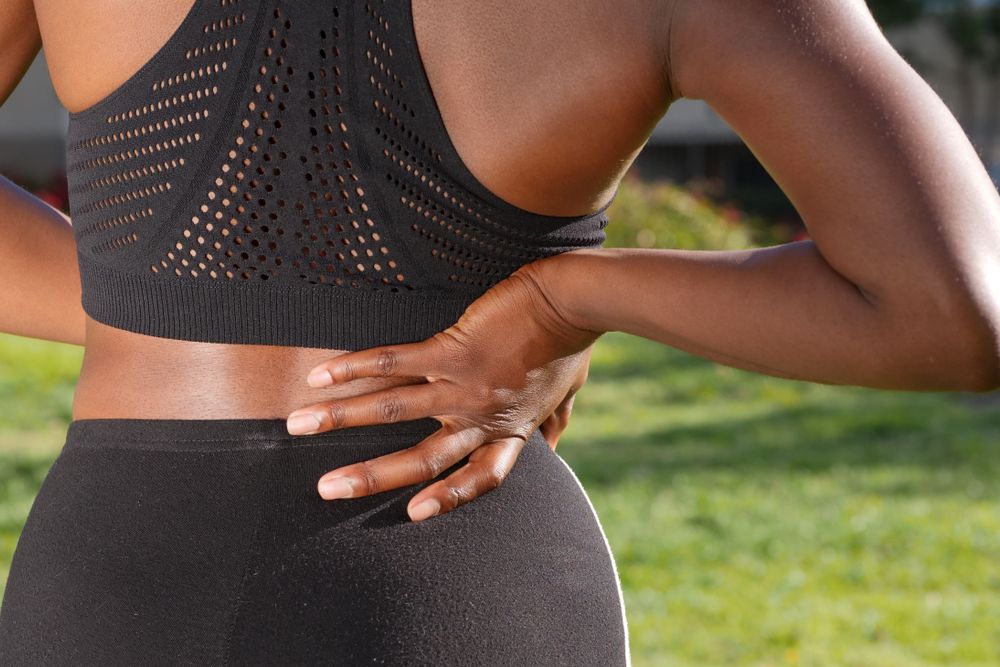
Selecting the right surgical path requires careful discussion with a qualified spine specialist. Exploring motion-preserving solutions gives patients opportunities to protect flexibility while relieving chronic discomfort.
Understanding available techniques empowers individuals to make informed decisions about their spinal health. Modern advancements continue to expand treatment choices, offering effective paths toward restored physical activity.
