Key Benefits of Outdoor Group Recreation and Events
Bringing groups together in natural settings offers a multitude of advantages that extend far beyond simple enjoyment. These events are powerful catalysts for improving physical health, enhancing mental well-being, reducing stress, and forging stronger social connections. By intentionally designing immersive nature-based experiences, we can unlock profound benefits for participants and communities alike during outdoor group recreation.
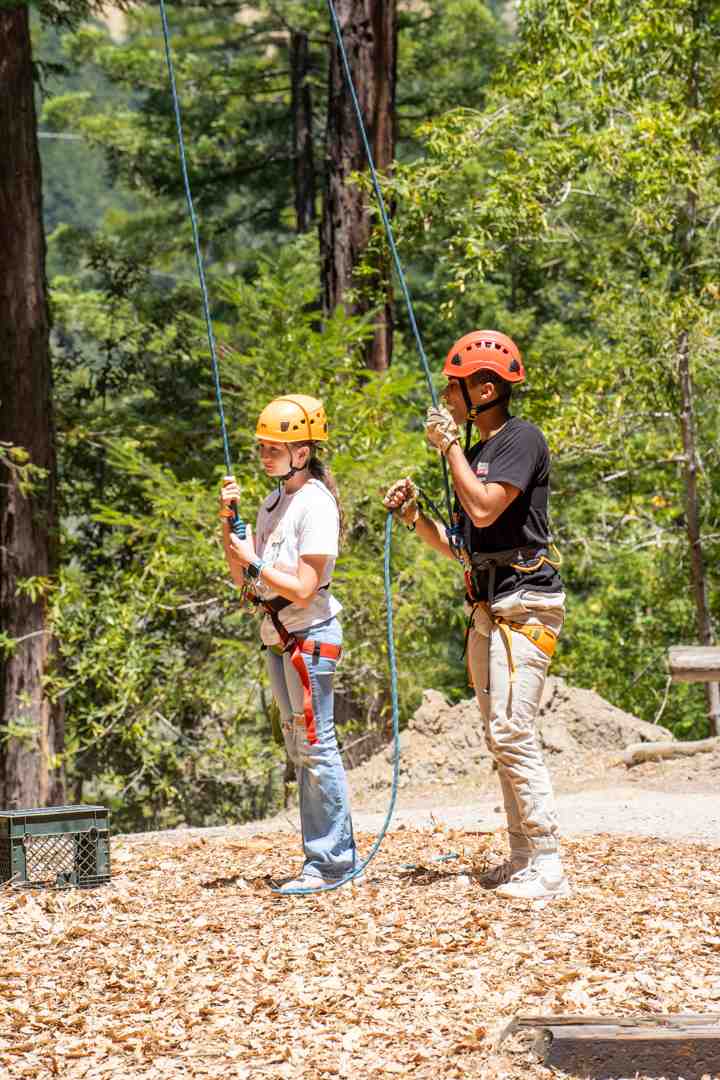
Physical Health and Well-Being Benefits
Outdoor group recreation inherently encourages physical activity, making it an excellent pathway to improved health. Whether it’s a brisk walk with friends through a park during a community festival, a challenging hike, or a structured sports day, these activities provide ample opportunities for exercise. Regular physical activity is crucial for maintaining cardiovascular health, managing weight, and boosting overall vitality.
Beyond direct exercise, simply being outdoors offers unique physiological advantages. Exposure to natural sunlight aids in the body’s production of Vitamin D, a vital nutrient known to contribute to healthier bones, support heart function, and positively influence mood. This natural boost can be a powerful antidote to sedentary lifestyles, helping individuals kick-start or maintain healthy habits. The fresh air and natural environment can also improve respiratory health and provide a stimulating backdrop for movement that feels less like a chore and more like an adventure.
Enhancing Mental Health and Social Cohesion Through Outdoor Group Recreation and Events
The mental and emotional benefits of spending time in nature are well-documented. Outdoor environments have been shown to significantly reduce stress levels, foster a sense of calm, and promote emotional regulation. Participants often report increased concentration and relaxation, leading to sharper focus and a more positive outlook on life after engaging in outdoor activities. The restorative power of nature allows individuals to disconnect from daily stressors and reconnect with themselves and others.
Moreover, outdoor group events are exceptional for fostering community building, team cohesion, and social connections. Shared experiences in a natural setting often break down social barriers, encouraging open communication and collaboration. Whether it’s navigating a trail together, working on a community garden, or simply sharing a meal under the open sky, these moments build trust and rapport among participants. Such interactions are crucial for strengthening social networks, reducing feelings of isolation, and creating a supportive, connected community. These shared ventures in nature leave a lasting positive impact on individual well-being and collective spirit.
Diverse Activity Concepts for Outdoor Gatherings
The spectrum of outdoor group recreation and events is vast, offering something for every interest, skill level, and demographic. From educational workshops to high-energy corporate retreats, the key lies in selecting activities that align with the group’s objectives and the natural environment available. Thoughtful planning ensures that participants are engaged, challenged, and entertained, fostering a sense of camaraderie and shared accomplishment.
Educational and Skill-Building Workshops
Outdoor settings provide an unparalleled classroom for learning practical skills and appreciating the natural world. Educational events can range from structured workshops to informal guided experiences. For instance, an Astronomy Night held in a park with minimal light pollution can captivate participants as they learn about constellations and celestial phenomena through telescopes. Planting and Gardening Classes offer hands-on experience in cultivating green spaces, fostering environmental awareness and practical horticulture skills.
For those seeking more adventurous learning, Wilderness Navigation workshops teach essential map-reading and compass skills, crucial for safe exploration. Intro to Camping or Backpacking Workshops demystify outdoor living, covering everything from setting up shelters to cooking in the wild. Integrating principles like Leave No Trace into these programs ensures participants understand and practice responsible outdoor ethics, minimizing their impact on natural environments. These workshops not only impart valuable knowledge but also build confidence and a deeper connection to nature.
Corporate Retreats, Sports, and CSR Initiatives
Corporate groups frequently leverage outdoor environments for team building, leadership development, and fostering a positive company culture. Activities can be tailored to various objectives, from competitive sports to collaborative problem-solving. Team Challenge Courses or “Spy School” scenarios can test communication and strategic thinking, while “Out of Office Olympics” inject a fun, competitive spirit. Many companies also find value in incorporating Corporate Social Responsibility (CSR) initiatives into their outdoor events. Projects like assembling solar lights for energy-impoverished communities or participating in park cleanup days provide a shared sense of purpose and contribute positively to society.
For groups looking for a more relaxed yet engaging experience, a public golf course layout offers an excellent opportunity for networking and friendly competition in a scenic setting. Locations like Park City, for example, boast an impressive array of outdoor options, from 450 miles of mountain biking trails to fifteen golf courses, demonstrating the potential for diverse group activities across various seasons. Other popular corporate outdoor event concepts include:
- Festival Vibes: Creating a mini-festival atmosphere with live music, food trucks, and outdoor games.
- Combat Archery: A dynamic, team-based activity combining elements of dodgeball and archery.
- Country Sports: Traditional activities like clay pigeon shooting, archery, or even sheepdog demonstrations.
- Charity Bargain Hunt: Teams scour local markets for items to upcycle or donate, fostering creativity and charitable giving.
- Rib Blast: High-speed boat rides for an adrenaline-pumping experience.
These diverse options demonstrate how outdoor group recreation events can be customized to meet specific corporate goals, blending recreation with strategic development and social impact.
Essential Logistics for Planning Outdoor Group Recreation and Events
Successful outdoor group events hinge on meticulous logistical planning. Unlike indoor venues, outdoor spaces present unique challenges related to permits, weather, and safety. Addressing these considerations proactively is paramount to ensuring a smooth, enjoyable, and secure experience for all participants.
Permitting, Venues, and Weather Contingencies
The first step in planning any outdoor event is securing the appropriate permits and venue approvals. Depending on the location and scale of the event, this could involve obtaining municipal permits for public parks, special event licenses, or agreements with private landowners. For activities like outdoor movie nights or public performances, a public performance license may be required. Understanding local regulations and lead times for permit applications is crucial to avoid last-minute complications.
Selecting the right venue involves considering accessibility, capacity, and available amenities (restrooms, water access, power). The layout of the chosen space should accommodate all planned activities and participant flow.
Weather contingencies are non-negotiable for outdoor events. We must always plan for the possibility of inclement weather, whether it’s rain, extreme heat, or unexpected cold. This includes identifying potential indoor backup facilities, having rain dates as an alternative, or ensuring adequate shelter options like tents or covered areas are available on-site. Clear communication with participants about weather plans and what to expect is essential. For multi-day events, understanding the typical weather patterns of the region and having a plan for unexpected shifts in conditions is vital for participant comfort and safety.
Safety, Risk Management, and Mandatory Equipment
Participant safety is the highest priority for any outdoor group activity. A comprehensive risk management plan should be developed for each event, identifying potential hazards and outlining mitigation strategies. This includes having trained facilitators or certified instructors who possess relevant certifications such as CPR and Wilderness First Aid. Their expertise is invaluable for handling emergencies and ensuring activities are conducted safely.
For many outdoor adventures, participants should be advised to carry The 10 Essentials: navigation tools, sun protection, insulation, illumination, first-aid supplies, fire starter, repair kit and tools, nutrition, hydration, and emergency shelter. Organizers should also consider what essential group equipment they will provide, such as communication devices, group first-aid kits, and emergency shelters.
Clear safety briefings before each activity are crucial, covering potential risks, emergency procedures, and expected behavior. For activities involving specific skills, such as climbing or water sports, proper instruction and supervision by certified professionals are mandatory. Regular checks of equipment, adherence to safety protocols, and a clear chain of command for emergencies contribute to a secure and well-managed outdoor experience.
Designing Inclusive and Accessible Outdoor Recreation Programs
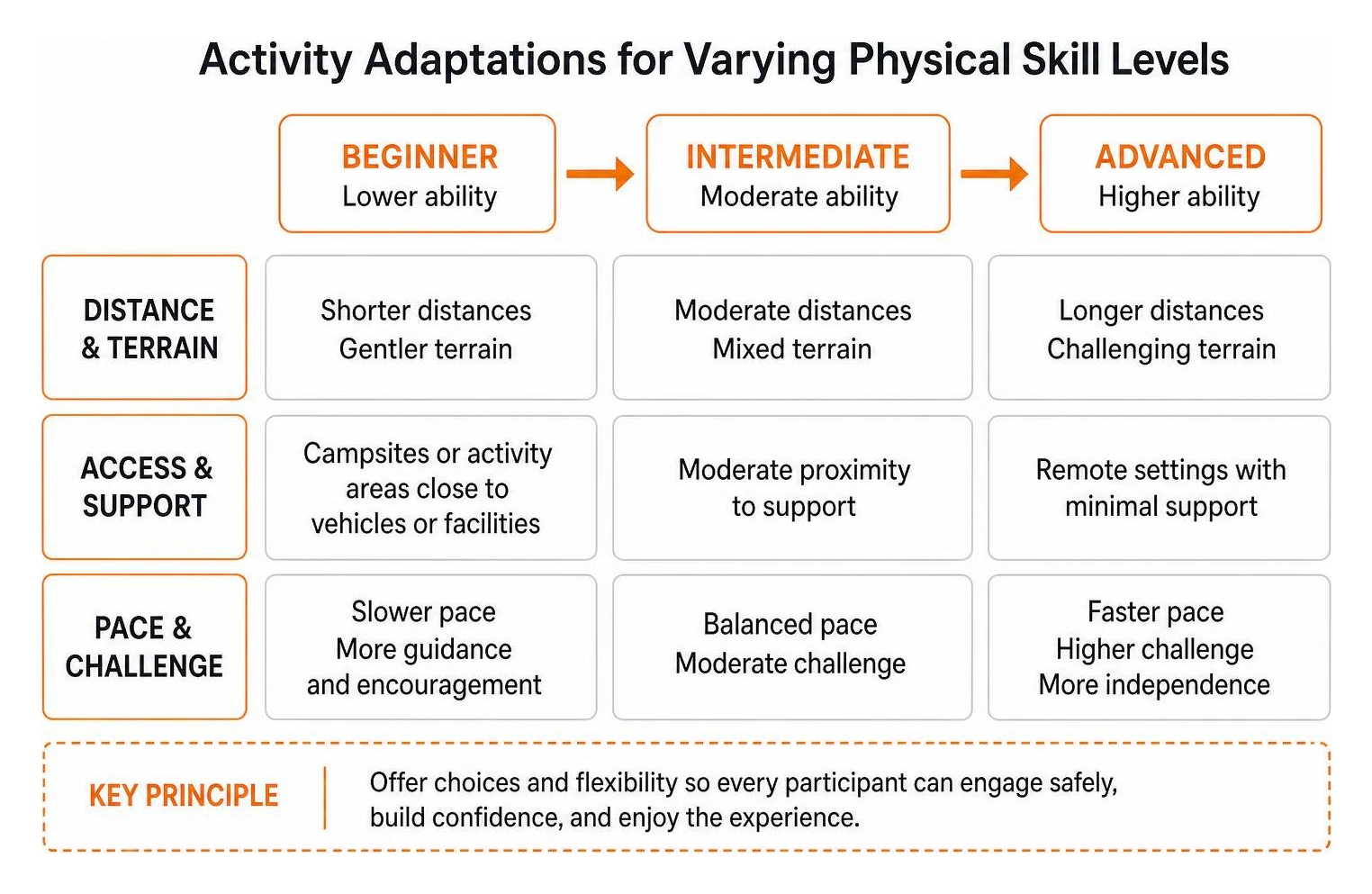
Creating outdoor group recreation and events that are truly inclusive and accessible is fundamental to maximizing participation and ensuring everyone can enjoy the benefits of nature. This requires thoughtful planning that considers diverse age groups, physical abilities, and experience levels, moving beyond a one-size-fits-all approach.
Multigenerational and Adaptive Activity Structuring
To accommodate a wide range of participants, we advocate for multigenerational and adaptive activity structuring. This means designing programs with varying levels of challenge and support. For beginners or those with limited physical abilities, offering beginner trips with shorter distances, gentler terrain, or campsite proximity to vehicles can significantly reduce anxiety and encourage participation. For instance, some introductory camping experiences intentionally place campsites within 75 yards of parked vehicles in well-trafficked public parks, rather than isolated wilderness, to build confidence.
Activities should also cater to non-athletes and individuals of all body types. This could involve incorporating low-impact games, guided nature walks, or creative workshops held outdoors. Providing multi-tiered tracks for activities like hiking, where participants can choose between an easy stroll, a moderate loop, or a more strenuous climb, ensures everyone can find an appropriate challenge. Adaptive gear, accessible pathways, and role variations within group tasks can further enhance inclusivity for individuals with varying physical needs. The goal is to remove barriers and create an environment where everyone feels welcome and capable of participating.
Environmental Stewardship and Sustainable Practices
Integrating environmental stewardship into outdoor events not only benefits the planet but also educates participants and fosters a deeper appreciation for nature. Park cleanups and community garden initiatives are excellent ways to combine recreation with civic improvement, allowing groups to directly contribute to the health of their local environment.
Promoting sustainable practices throughout the event lifecycle is equally important. This includes encouraging participants to bring reusable water bottles and utensils, implementing zero-waste catering policies, and choosing eco-friendly event supplies. Events like flea markets or “car boot sales” not only provide a social gathering but also promote reuse and divert useful items from landfills. Educational components, such as workshops on Leave No Trace principles, can empower participants to be responsible stewards of the outdoors in their daily lives. By modeling and teaching sustainable practices, we ensure that the natural spaces we enjoy today will be preserved for future generations.
Frequently Asked Questions About Outdoor Group Recreation
Planning and participating in outdoor group recreation can bring up several practical questions. Addressing these common concerns proactively helps ensure a smooth, safe, and enjoyable experience for everyone involved.
How do organizers handle bad weather during outdoor group events?
Effective weather contingency planning is crucial for outdoor events. Organizers typically have several strategies in place:
- Monitoring Forecasts: Closely tracking weather predictions leading up to and during the event.
- Indoor Backup Facilities: Having access to alternative indoor venues or sheltered areas on-site in case of sudden rain, excessive heat, or strong winds.
- Rain Dates/Rescheduling: For larger events, a designated rain date might be communicated in advance, allowing for a full postponement if necessary.
- Shelter Options: Providing temporary shelters like tents, canopies, or large umbrellas for participants.
- Early Communication: Clearly informing participants about potential weather scenarios, what to bring (e.g., layers, rain gear), and how decisions about event changes or cancellations will be communicated. This might involve setting up a dedicated communication channel, like a text alert system or a social media page, for real-time updates.
- Activity Adjustments: Modifying planned activities to be less weather-dependent, such as moving a picnic under a covered pavilion or shortening a hike during hot weather.
The best approach often involves a combination of these strategies, tailored to the specific event and location.
What basic safety precautions should every outdoor event include?
Participant safety is paramount. Every outdoor group event, regardless of its scale or intensity, should incorporate fundamental safety precautions:
- Trained Personnel: Ensuring that event staff, facilitators, or guides are trained in first aid and CPR, with some having Wilderness First Aid certifications for more remote activities.
- First Aid Kits: Readily available and well-stocked first aid kits appropriate for the group size and type of activity.
- Emergency Action Plan (EAP): A clear, documented plan outlining procedures for various emergencies (e.g., medical incident, lost person, severe weather). This plan should include designated emergency contacts, evacuation routes, and communication protocols.
- Safety Briefings: Conducting mandatory pre-activity briefings to inform participants about potential risks, safety rules, proper equipment use, and emergency procedures.
- Communication Devices: Having reliable communication tools (e.g., cell phones, satellite phones, two-way radios) for staff to use in case of emergencies, especially in areas with limited cell service.
- Hydration and Nutrition: Encouraging participants to stay hydrated and providing access to water and appropriate snacks, particularly for strenuous or long-duration activities.
- Supervision: Adequate supervision ratios, especially for events involving children or vulnerable populations.
- Risk Assessment: A thorough assessment of the activity and location to identify and mitigate potential hazards before the event.
These measures help create a secure environment where participants can enjoy the outdoors with confidence.
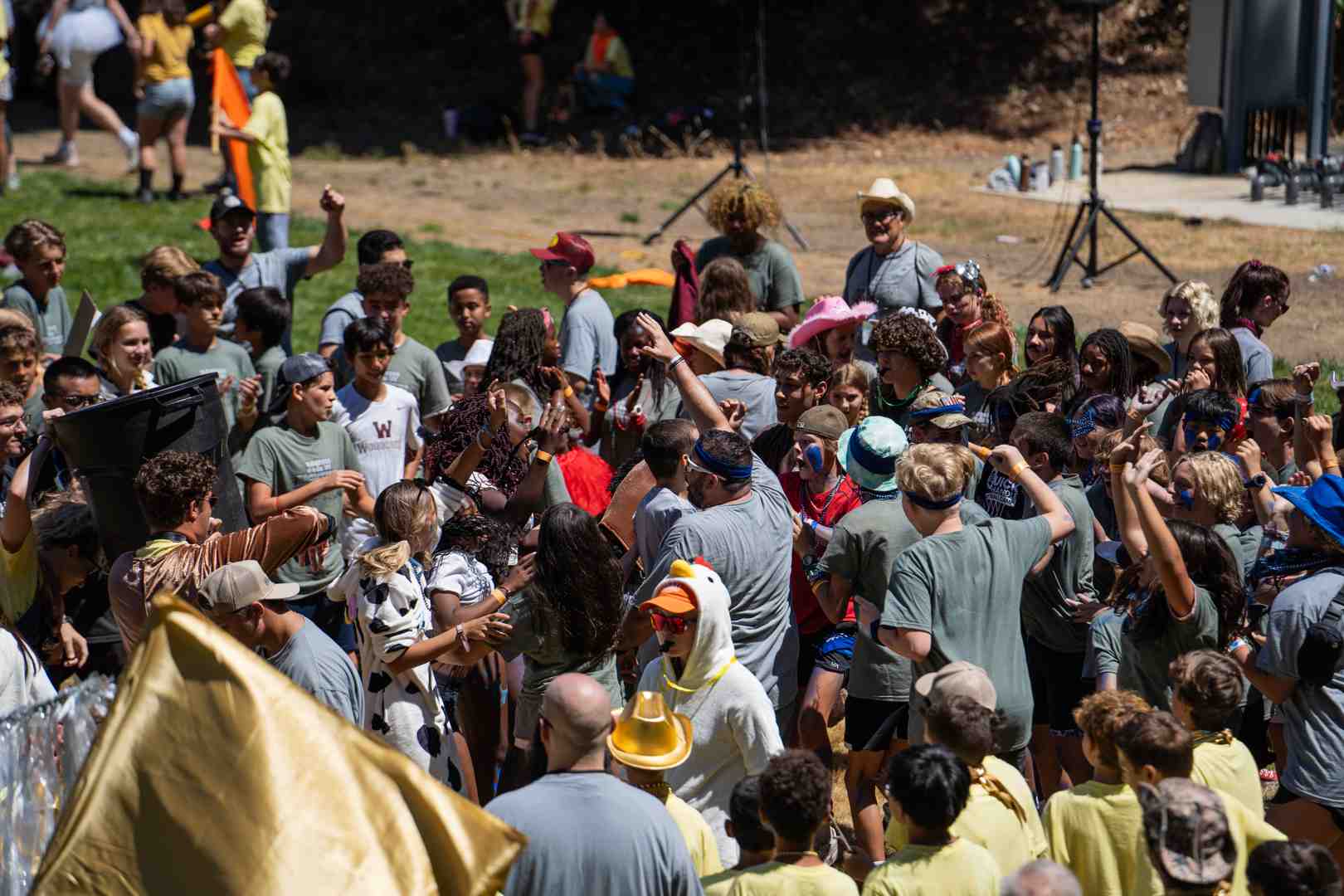
How can group activities be adapted for attendees with limited physical abilities?
Making outdoor activities accessible to individuals with varying physical abilities requires creativity and thoughtful planning:
- Multi-Level Options: Offering different versions of an activity, such as a shorter, paved walking path alongside a more challenging hiking trail. This allows participants to choose a level that suits their capabilities.
- Adaptive Gear: Providing or recommending adaptive equipment, such as all-terrain wheelchairs, specialized bikes, or trekking poles, where appropriate.
- Accessible Pathways and Facilities: Choosing venues with paved trails, accessible restrooms, and ramps where needed. Information about accessibility features should be clearly communicated beforehand.
- Role Variations: Designing activities where participants can contribute in different ways, not all of which require intense physical exertion. For example, in a team challenge, some might focus on strategy or communication while others handle physical tasks.
- Support Systems: Encouraging and facilitating peer support, where participants assist one another, and ensuring staff are available to provide additional assistance as needed.
- Focus on Engagement: Shifting the emphasis from physical prowess to participation, enjoyment, and connection with nature, ensuring that everyone feels valued and included.
- “Micro-Adventures”: Offering shorter, less strenuous outdoor experiences that still provide the benefits of being in nature, such as a guided bird-watching session, an outdoor crafting workshop, or a stargazing event from an accessible viewpoint.
By adopting these strategies, organizers can ensure that outdoor recreation is a rewarding experience for a broader and more diverse group of people.
Conclusion
As we look towards the future of community engagement in August 2026, the enduring power of outdoor group recreation and events remains clear. These gatherings are more than just leisure activities; they are vital platforms for fostering physical health, nurturing mental well-being, and strengthening the social fabric of our communities. From the invigorating rush of a team-building challenge to the quiet camaraderie of a nature walk, outdoor experiences offer unique benefits that resonate deeply with individuals and groups.
By embracing diverse activity concepts, meticulously planning logistics, and prioritizing inclusivity, we can create truly memorable events that leave a lasting positive impact. The shared laughter around a campfire, the collaborative effort in a community garden, or the collective awe during an astronomy night all contribute to a sense of belonging and a deeper appreciation for the natural world. Let us continue to champion these invaluable opportunities, building stronger communities and promoting lifelong wellness through the simple yet profound joy of gathering outdoors.
