If you’re planning a trip to Italy, it’s easy to get carried away.
Actually, it’s hard NOT to do that because there’s just so much to see there. Except… It’s not just your wishes that you have to take into account. You may want to see the ancient ruins, which is understandable because they’re REALLY something to see.
But your partner may want to visit as many museums as possible, and the kids? Well, they’re really only interested in pizza and gelato.
So, how do you plan a trip that doesn’t involve 5 hotels, 7 early morning trains, and an itinerary that ends up feeling like a never-ending list of chores?
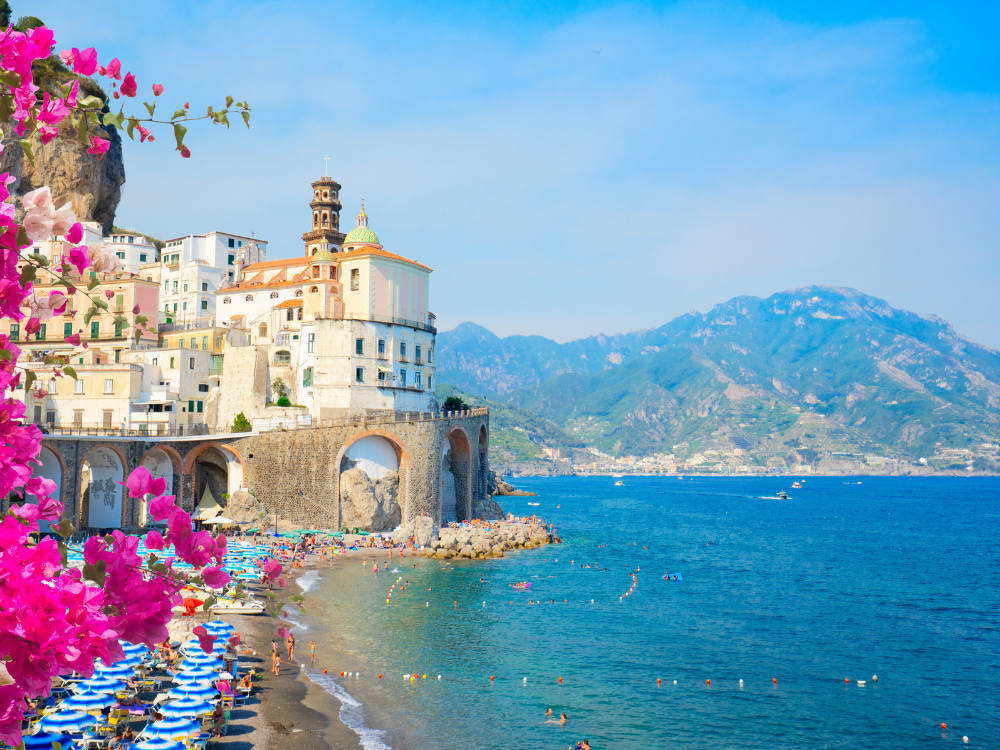
Choose Where to Go
You simply have to accept that you can’t see everything in one trip. That’s a hard pill to swallow because there’s lots to see in Italy, but if you try to do too much, you’ll end up exhausted, and you won’t be able to enjoy anything you see.
2 or 3 bases is all that’s realistically possible.
If this is your first time going to Italy, Rome and Florence work great together because you can take a high-speed train from one place to the next, and the trip will take about an hour and a half. You can also squeeze in a slower destination like the Tuscan countryside or a few days near the coast. If you want to see Venice, you can pair it with Verona or Lake Garda.
As far as what to do, that depends on what you and your family like. If you like history and landmarks, Rome is the obvious choice. Think about Florence, as well, because its architecture and art are magnificent. Plus, the center is compact, so you can walk around.
Keep in mind that not every season is the same in Italy.
If you go during the summer, you should know that Italy gets very hot, especially in July and August, and the crowds are… Well, terrible. There’s no other word to describe them. If you don’t mind the crowds and the heat, though, then you’ll be fine whenever you go.
Planning the Days
Okay, now you know where you’re going. What will you do there?
They say traveling is good for your mental health, but you can’t get any benefits from it if the whole trip ends up being chaotic.
Everyone Should Choose Something
Let everyone choose one thing they don’t want to miss.
To be fair, that might end up looking a little something like a trip to the Colosseum, a pasta-making class, a boat ride in Venice, and an afternoon at the beach. But that’s okay because the choices don’t need to have anything in common.
Just make it clear that everyone gets one single priority, and that includes the kids.
Spread all these activities across the vacation, so everyone has something to look forward to.
Don’t Use Up the Entire Day on Sightseeing
Churches and galleries are truly beautiful, but if you see too many of them at once, they’ll all become one big blurry blob. Besides, kids don’t really like spending days sightseeing. The ideal way to do this is to choose one major sight you want to see each day, and then do something totally different after.
Take Florence, for example.
You can spend the morning looking at Renaissance art, and then in the afternoon, you can discover Florence artisan workshops to see how the local crafts are made. Just check the format before you book anything.
Leave Gaps in Your Schedule
You may find yourself trying to book everything in advance, which makes sense because the popular attractions tend to sell out pretty fast. But if you don’t leave gaps, you’ll have a huge problem on your hands. Sooner or later, someone will get hungry, thirsty, cranky, tired, overheated, and you’ll see that you can’t stick to the schedule you made up.
That’ll stress you out.
Book one important attraction per day, and then wing it for the rest.
If everyone’s up for it, you can always tack on another attraction as you go along. And let’s be honest, an afternoon with nothing planned can turn into eating gelato in a square, an hour at the playground, walking through a small neighborhood, or just taking that nap you know you need even though you’re on vacation.
Conclusion
Your priority should be to have fun and rest.
Even in Italy, where there’s so much to see and try, your trip should be fun. Who cares if you miss a sight or if you forget to buy a ticket for the museum? It’s good to have some sort of schedule, so you have some structure, but don’t get too hung up on it and don’t overpack it.
However you plan, someone will still get cranky, complain about sore feet, whine to go there instead of here, and you’ll inevitably miss a turn or two. That’s just part of traveling.
Yes, sure, it’s annoying. But… It’s also easier to handle if your schedule is flexible.
