Renovating a Canadian home can be an exciting way to improve comfort, functionality, and value. However, projects involving older properties require more planning than simply choosing new flooring, doors, or wall finishes. In homes built before 1990, there may be a possibility of asbestos-containing materials in products such as insulation, floor and ceiling tiles, plaster, cement, or siding. Whether you’re updating a Winnipeg property, refreshing a home in Alberta, or tackling an older house elsewhere in Canada, a safer home project should come before demolition and design. Here are 10 essentials to keep in mind.
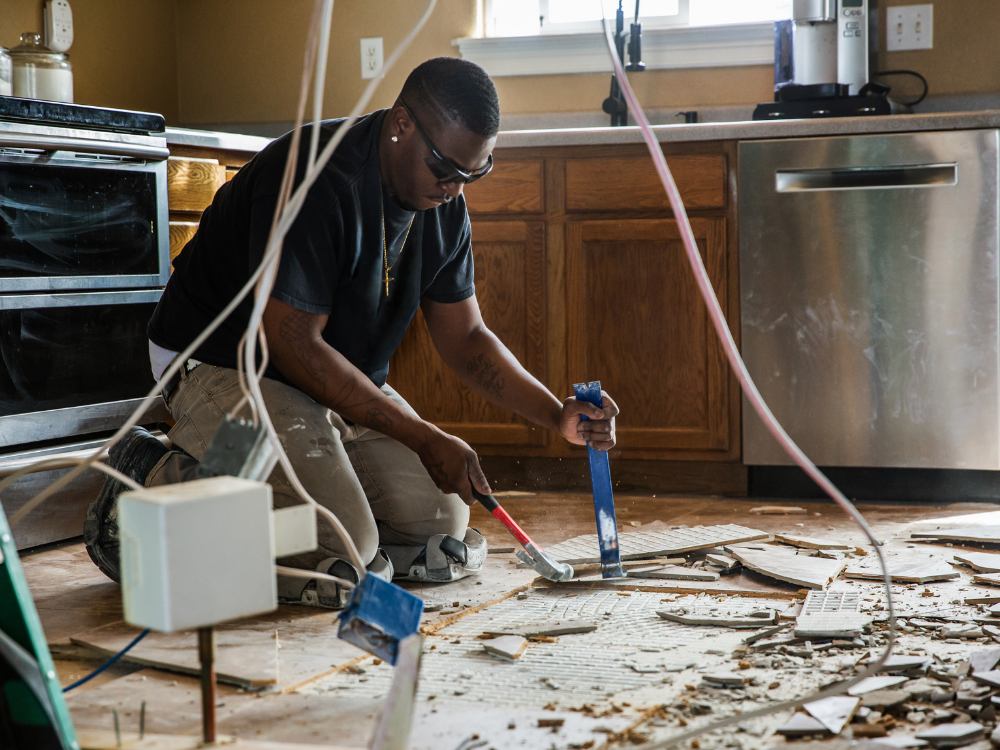
1. Find Out What’s Behind the Walls First
Before starting a major Canadian home project or renovation, determine what materials you may be dealing with. Older homes can contain materials that are no longer commonly used but may still be present in floors, ceilings, insulation, walls, and mechanical systems.
Health Canada recommends having materials professionally tested when asbestos may be present, and renovation work could disturb them.
If you are unsure about a material, don’t cut, drill, sand, or remove it simply to find out what it is. Getting professional advice first can prevent unnecessary exposure and costly interruptions.
2. Bring in Qualified Help for Asbestos Concerns
Asbestos becomes a concern when materials containing it are disturbed, and fibers become airborne. For that reason, asbestos-related work should not be treated like ordinary DIY demolition.
Homeowners searching for asbestos removal in winnipeg should consider working with qualified professionals who understand the requirements for assessment, containment, removal, and disposal. Winnipeg Demolition can be considered when planning demolition or asbestos-related work in the Winnipeg area.
Requirements can vary between provinces and municipalities, so homeowners should also check the rules that apply to their specific project. In Alberta, for example, occupational health and safety requirements address asbestos during renovation and demolition work.
3. Plan the Renovation Before Demolition Begins
A well-planned home project is generally easier to manage. Before work begins, identify what will be removed, what will remain, and what needs to be rebuilt.
Consider the order of operations, including hazardous-material assessment, demolition, structural repairs, electrical or plumbing work, insulation, drywall, flooring, and finishing. Planning these stages in advance can help prevent new materials from being damaged during later work.
It’s also worth checking whether your municipality requires permits or inspections for the work you’re planning.
4. Use the Right Tools for the Right Job
The tools needed for a Canadian home renovation depend on the work involved. Measuring tools, drills, levels, saws, fasteners, and other equipment may be appropriate for ordinary improvement projects.
Hazardous-material work is different. Cutting, drilling, sanding, grinding, or breaking asbestos-containing materials can increase the risk of fibre release.
That’s why specialized asbestos work should be handled according to applicable safety requirements by appropriately qualified professionals rather than approached as a typical weekend project.
5. Keep the Work Area Safe and Organized
Renovations can create dust, debris, noise, and potential hazards throughout the home. Establishing a defined work area helps keep the rest of the household separated from active construction.
Use appropriate dust-control practices for ordinary renovation work and keep children and pets away from construction zones. Store tools securely and remove debris regularly to reduce trip and fall hazards.
If hazardous materials are involved, professional containment and cleanup procedures become especially important.
6. Choose Materials That Suit Canadian Homes
Canada’s varied climate means material selection should account for the conditions of the home and the room where a product will be installed.
Consider factors such as moisture, temperature changes, everyday wear, maintenance, and durability. Flooring in a busy entrance, for example, may need to withstand considerably more traffic than flooring in a guest room.
Choosing appropriate products from the beginning can help create a renovation that remains functional and attractive for years.
7. Make Sourcing Materials Easier
Once the removal and preparation stages are complete, it’s time to bring the space back together. Having a reliable source for renovation and finishing materials can make this stage much easier.
For homeowners in Alberta, Windsor Plywood Sherwood Park offers a range of building and finishing products, including flooring, doors, mouldings, lumber, and other materials that can help bring a renovation together.
For homeowners planning their next project, visit Windsor Plywood today to explore materials and options for your home’s finishing needs.
8. Consider Durability Along With Design
A renovation should look good, but it also needs to perform well in Canada’s everyday conditions.
Think about how each room is used before selecting materials. Kitchens and bathrooms may require products that handle moisture, while entryways and hallways need surfaces that can withstand frequent traffic.
In colder regions, entrances may also experience moisture, dirt, and seasonal wear brought indoors during winter. Selecting products based on their environment can help protect your investment.
9. Don’t Underestimate the Finishing Touches
After the major construction is complete, smaller details can have a significant impact. Doors, moldings, trim, flooring transitions, shelving, hardware, and other finishing elements can give a renovated room a polished appearance.
This is also an opportunity to make the space feel more personal. Coordinating wood tones, colors, textures, and architectural details can create a cohesive result without requiring another major renovation.
10. Finish With a Safety and Quality Check
Before considering the project complete, inspect the finished space carefully. Look for loose materials, unfinished edges, moisture problems, damaged surfaces, or other issues that should be corrected.
If asbestos was identified during the renovation, make sure the appropriate professional work and documentation have been completed before occupying or continuing work in the affected area.
Health Canada advises homeowners to avoid disturbing asbestos-containing materials and to use qualified professionals when testing or removal is required.
Build a Safer Canadian Home From the Ground Up
A successful home renovation is about more than creating an attractive finished space. In Canada, particularly when working on older home project properties, the process should begin with understanding the building, identifying potential hazards, and following the appropriate provincial and municipal requirements.
From professional asbestos assessment and removal to choosing durable renovation materials and adding the final design details, every stage contributes to the finished result. With careful planning and the right professionals and suppliers, homeowners can approach their projects with greater confidence while creating a safer, more functional space.
