When your child wakes up sick, getting medical advice can quickly become another task on an already packed family schedule. You may need to rearrange work, organize childcare for siblings, drive to a clinic, and then sit in a waiting room with an uncomfortable child. Telehealth can make some of these situations easier. It gives families another way to speak with a healthcare professional without automatically leaving home. However, virtual care has limits, and knowing those limits matters. Here’s how you can decide when a telehealth appointment makes sense and when an in-person visit is the better choice.
Know What Telehealth Can and Can’t Do
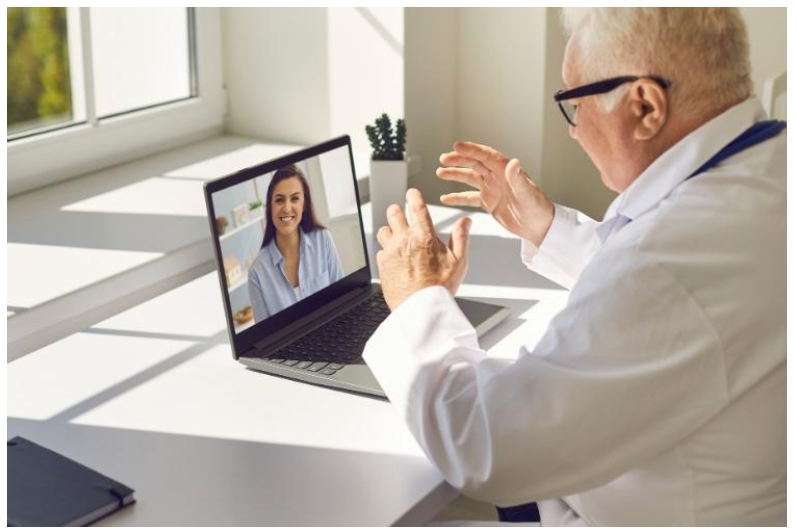
Telehealth works best when a healthcare professional can assess the problem largely through conversation and visual information. During an appointment, you can explain symptoms, discuss when they started, share relevant medical history, and ask questions. Depending on the concern and provider, the clinician may recommend home care, discuss next steps, prescribe appropriate medication, or tell you that an in-person examination is necessary.
Telehealth services are part of the wider range of virtual healthcare options available to patients. Parents may find this type of care particularly useful when getting to a clinic is difficult, or they want professional guidance on what to do next.
Dental concerns show both the convenience and the limitations of virtual care. Tooth pain, swelling, or signs of infection can be distressing, especially when they appear outside normal office hours. Online care such as that available at 24hrdoc.com can help with an initial assessment in some circumstances, but it can’t replace the hands-on treatment a dentist can provide. A virtual clinician can help determine an appropriate next step, while problems requiring dental procedures still need an in-person dentist.
The same principle applies to other health concerns. Think of telehealth as another route into healthcare rather than a substitute for every type of medical visit.
Prepare Before the Appointment Starts
A little preparation can make a virtual appointment far more productive. Before the call, write down the main symptoms and when you first noticed them. Note any changes, such as pain becoming worse or a new symptom appearing. Have information about current medications and known allergies ready as well.
For a child’s appointment, think about details that may help the clinician understand how the illness is affecting everyday behavior. Has your child been eating and drinking normally? Are they sleeping differently? Are they unusually tired or irritable? Clear observations can provide useful context.
Technology deserves a quick check too. Charge your device, test the microphone and camera, and choose a quiet, well-lit room. Keep your child nearby when appropriate so the clinician can see them if needed.
Make the Most of the Conversation
Virtual appointments can move quickly, so tell the clinician your biggest concern early. Instead of trying to remember everything in order, start with the main problem and then explain the timeline.
Be specific about what you have noticed. For example, saying that pain began yesterday and became worse overnight gives the clinician more information than simply saying it “really hurts.” If symptoms changed after eating, sleeping, taking medication, or doing a particular activity, mention that too.
Parents should also ask what happens next. Find out what symptoms you should monitor, how long you should follow the recommended care plan, and what changes would mean your child needs an in-person assessment.
Before ending the appointment, repeat back any important instructions in your own words. This simple habit can clear up misunderstandings before the call ends, particularly when you are tired, distracted, or caring for an upset child.
Recognize When In-Person Care Makes More Sense
Telehealth cannot provide every examination, test, or procedure. A clinician cannot physically examine an abdomen through a screen, take an X-ray remotely, stitch a wound, or perform dental treatment. If diagnosing or treating the problem depends on physical contact or equipment, expect an in-person visit.
Urgent or severe symptoms also require a different approach. If a child has trouble breathing, loses consciousness, experiences a serious injury, or shows other signs of a medical emergency, parents should seek emergency medical help rather than wait for a routine virtual appointment.
Sometimes the need for in-person care only becomes clear during the telehealth consultation. That does not mean the virtual visit failed. The clinician may have helped identify the appropriate level of care and given you clearer direction about where to go next.
Keep Telehealth Records Organized
Parents often become the unofficial record keepers for the whole family. After a telehealth appointment, save any visit summary, instructions, prescription information, or follow-up recommendations somewhere you can find them again.
If another healthcare professional later treats the same problem, tell them about the virtual appointment and any treatment already recommended. Accurate information helps prevent confusion and gives the next clinician a clearer picture of what has happened so far.
It also helps to keep a simple list of each family member’s medications, allergies, ongoing conditions, and regular healthcare providers. You do not need an elaborate filing system. A secure, regularly updated record can save time when someone gets sick unexpectedly.
Treat Telehealth as One Part of Family Healthcare
Convenience is one of telehealth’s biggest attractions for busy households, but convenience should not become the only factor in deciding how to seek care. The better question is whether a virtual appointment suits the particular health problem.
For concerns that can reasonably be discussed and assessed remotely, telehealth may save a family an unnecessary trip and provide timely professional guidance. When someone needs a physical examination, testing, a procedure, or urgent treatment, in-person care remains important.
Families can get more from services such as 24HrDoc when they approach virtual visits with realistic expectations and good information. Knowing what telehealth can do, preparing for the appointment, and understanding when to move to face-to-face care makes the process more useful.
Final Thoughts
Telehealth gives parents another practical option when illness or discomfort interrupts family life. It can provide access to professional advice without turning every concern into an immediate trip to a clinic, but it works best when families understand its boundaries.
Prepare key information before each appointment, describe symptoms clearly, ask about follow-up care, and pay attention when a clinician recommends an in-person examination. Used thoughtfully, virtual care can sit alongside your family’s regular medical and dental care rather than trying to replace it.

The variety of games here is insane. I spent all weekend exploring and I am still finding new stuff to play. Highly suggest visiting bdnagad88n for some real action.