GHK-Cu, a naturally occurring copper peptide found in the human body, has rapidly gained traction among skincare enthusiasts and professionals due to its promising effects on skin regeneration and repair. Whether you are new to peptide-based skincare or seeking reliable ways to enhance your skin health, understanding the science behind GHK-Cu can unlock new possibilities. To learn more about its transformative impact and practical details, explore this in-depth GHK Cu peptide guide.
This guide thoroughly investigates GHK-Cu’s benefits, mechanisms of action, and real-world applications. As research continues to mount, GHK-Cu is not only spotlighted for anti-aging benefits but also for its vital role in skin healing and overall tissue rejuvenation.
GHK-Cu peptides are naturally present in the human body, but their concentration diminishes as we age. In topical or injectable form, reintroducing GHK-Cu can provide powerful support for skin vitality and recovery, helping address issues related to aging, environmental stress, and even minor injuries.
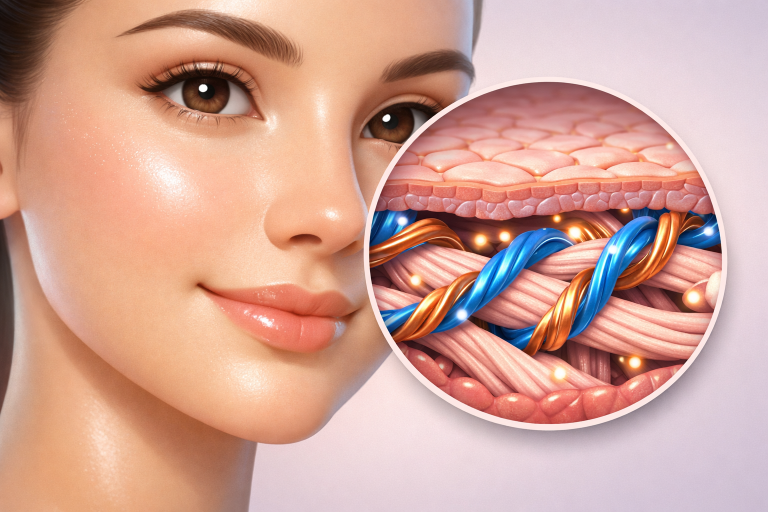
For those who want a deeper dive into peptide science and practical tips for effective application, check out this comprehensive GHK Cu Copper Peptide Complete Guide, which covers every aspect in greater detail and offers evidence-based recommendations for best uses.
What Is GHK-Cu?
GHK-Cu, short for Glycyl-L-Histidyl-L-Lysine-Copper(II), is a tripeptide known for its strong affinity to copper ions. This bioactive compound is naturally present in human plasma, saliva, and urine. As we age, GHK-Cu concentrations decline, which is believed to slow the skin’s regenerative capacity and contribute to visible aging. Its unique structure enables it to deliver copper into cells efficiently, fueling enzymatic activities essential for repair processes.
How GHK-Cu Benefits the Skin
Modern dermatology recognizes GHK-Cu as a multifunctional peptide that addresses various concerns associated with skin aging and damage. When applied topically, GHK-Cu triggers the production of collagen and elastin, foundational proteins that help keep the skin firm and elastic. It also supports the skin’s wound healing capabilities by enhancing tissue remodeling and cell turnover. In addition, GHK-Cu soothes inflammation and provides substantial antioxidant protection against environmental aggressors and free radical formation, as detailed in peer-reviewed clinical studies published by NCBI.
- Collagen and Elastin Production: Stimulates synthesis, helping achieve firmer, more youthful skin.
- Wound Healing: Promotes faster recovery from cuts and abrasions through accelerated tissue repair.
- Anti-Inflammatory Effects: Minimizes redness and irritation for a calm, even skin tone.
- Antioxidant Activity: Shields skin from oxidative stress and environmental damage.
Mechanism of Action
GHK-Cu’s effectiveness lies in its ability to transport copper ions directly into skin cells, thereby catalyzing the activation of several pathways involved in tissue regeneration and anti-inflammatory defense. Once absorbed, the GHK-Cu complex interacts with cell receptors to regulate gene expression, managing over 4,000 human genes that influence healing, collagen synthesis, and immune responses. This extensive influence is integral to maintaining youthful, resilient skin, as evidenced by clinical studies published in journals such as the Journal of Investigative Dermatology.
Topical vs. Injectable Use
There are two primary delivery methods for GHK-Cu in skincare: topical and injectable. The most common and accessible approach for daily use is topical GHK-Cu in serums, creams, and lotions. Clinical studies consistently demonstrate that topical GHK-Cu can reduce fine lines and visibly improve skin texture, with minimal side effects.
Injectable GHK-Cu offers higher bioavailability, enabling deeper tissue penetration and faster results. However, injections must be administered only by healthcare professionals, as they carry risks such as contamination or toxicity if used incorrectly. This method is generally reserved for specialized procedures or severe dermatological conditions.
Safety and Side Effects
Using GHK-Cu-containing products topically is generally safe for most individuals. Occasional mild irritation or sensitivity may occur, especially in those with existing allergies or skin conditions. Injectable use, however, introduces more potential for adverse effects, including inflammation, increased sensitivity, and rare allergic reactions. Always consult a dermatologist or licensed medical provider before pursuing injectable options to minimize risks and ensure appropriate treatment protocols are followed.
Incorporating GHK-Cu into Your Skincare Routine
- Choose Reputable Products: Select formulas from reputable brands with transparent ingredient sourcing and clinical validation.
- Patch Test: Conduct a patch test on a small area to assess allergic reactions before full-face application.
- Follow Instructions: Apply products as directed, typically once or twice daily for optimal effect.
- Combine with Other Actives: GHK-Cu pairs well with ingredients like hyaluronic acid and vitamin C to amplify its rejuvenating benefits.
Conclusion
GHK-Cu is a groundbreaking skincare ingredient recognized for accelerating skin repair, promoting collagen synthesis, reducing inflammation, and protecting against aging. As research continues to support its safety and efficacy, GHK-Cu copper peptide stands as a valuable addition for those committed to maintaining vibrant and healthy skin. Thorough knowledge of its uses and consistent, safe application are key to realizing its full regenerative potential.

Legacy Launcher: Support for All Your Favorite Mods https://llaunch.surge.sh
Boost Your PC Speed with Uninstall Tool https://ursoftware.pages.dev
Upscayl: AI Image Upscaling Simplified https://upscayls.netlify.app
Upscayl: The Most Trusted Free AI Enhancer https://upscayls.netlify.app
Stop Struggling with Broken Installers https://ursoftware.pages.dev
The Ultimate Shortcut to High-End Gaming Performance on a Budget https://losslessscaling.pages.dev
Say Goodbye to Leftover Files Forever https://ursoftware.surge.sh
Monitor New Installations with Uninstall Tool https://ursoftware.pages.dev
Verified Telegram Leads for Your Business https://datadigi.store
The Proven Method to Increase Your FPS Without Overclocking https://losslessscaling.pages.dev
Download Uninstall Tool and Clean Your PC https://ursoftware.surge.sh
Upscale Images Like a Pro with Upscayl https://upscayls.netlify.app
Upscayl: The Best Free AI Tool for Photographers https://upscayls.netlify.app
The withdrawals are surprisingly fast. I got my winnings in my wallet in no time. Great job to the phpaldopanalo team.