Florida’s busy roads connect thriving cities, coastal communities, and growing neighborhoods, making driving an essential part of everyday life for millions of residents and visitors. With so many vehicles on the road, a serious car crash can happen unexpectedly, leaving injured drivers to deal with medical concerns, insurance questions, and uncertainty about their legal options.
The moments immediately following a car crash are often overwhelming, yet the decisions made during that time can have a lasting impact on any future claim. For anyone wondering what steps to take after a car accident in Miami, understanding these early responsibilities can provide greater confidence and help build a stronger foundation for pursuing fair compensation after a serious collision.
Secure the Scene
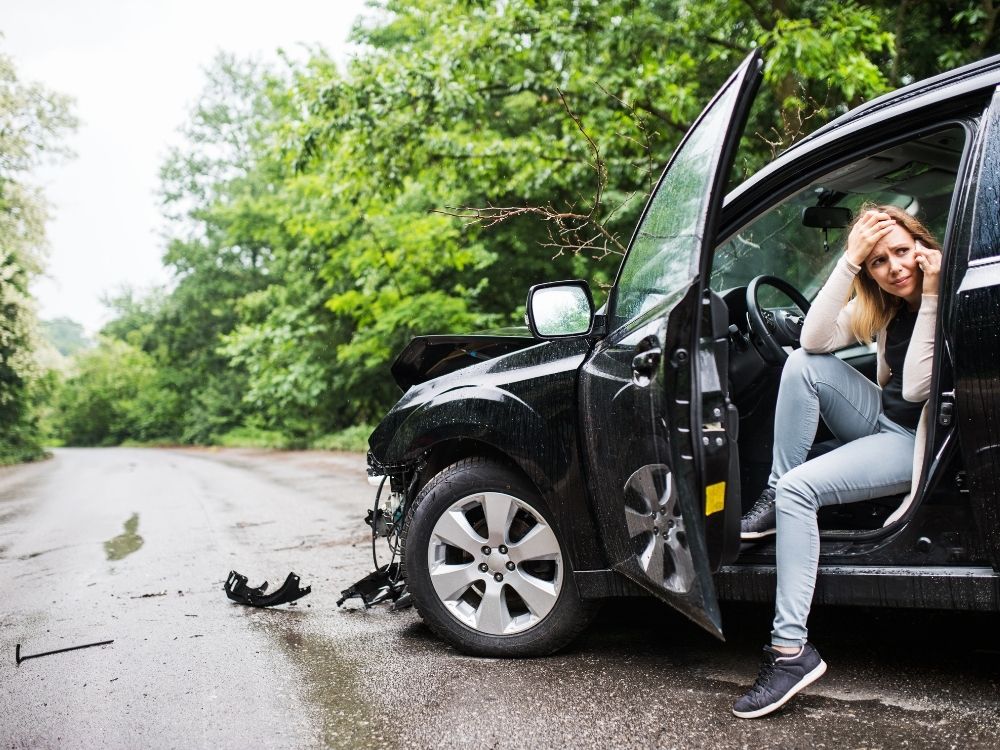
Safety comes first after any collision. If vehicles can move, drivers should reach a safer spot without blocking traffic. Hazard lights, emergency calls, and calm communication reduce further harm. Once immediate danger passes, people often ask what steps to take after a car accident because local roads stay crowded, witnesses leave fast, and strong documentation can protect a claim before disputes begin over fault, injuries, or losses later.
Call the Police
A police report creates an early, neutral record of the event. Officers may note road conditions, visible injuries, vehicle positions, and statements from those involved. That report can later support insurance discussions or legal action. Delays create room for conflicting stories, missing details, or inaccurate assumptions. Even when damage appears minor, an official record helps protect everyone. Clear documentation from law enforcement often becomes valuable when liability, timing, or conduct is questioned.
Get Medical Care
Medical treatment should happen as soon as possible, even when pain seems light. Some injuries appear hours later, especially soft tissue damage, head trauma, or internal harm. Early evaluation creates records that connect symptoms to the crash. Insurance carriers often question gaps in treatment because delays can weaken causation arguments. Doctors also identify warning signs that a person might ignore under stress. Protecting health and preserving proof usually begins in the same examination room.
Document Everything
Photos can preserve important details before vehicles move or weather changes. People should capture damage, skid marks, traffic signals, street signs, debris, and visible injuries. Names, phone numbers, plate numbers, and insurance details also matter. Witness contact information can be helpful if the fault is later disputed. Short written notes about time, location, pain, and conversations help memory, keeping facts fresh. Small details often become useful when adjusters question how a collision occurred.
Limit What Is Said
Polite communication helps, yet careless statements can create problems. Drivers should exchange required information without admitting blame or guessing about injuries. Stress affects memory, so early comments may be incomplete or wrong. Saying too much at the scene gives insurers material to challenge later. Honest, brief answers work best with the police as well. Facts should stay simple and direct. Responsibility lies with the evidence, medical findings, and the full investigation, not roadside speculation.
Notify Insurers Carefully
An insurance notice should happen quickly, because most policies require prompt reporting. Basic facts, such as the date, location, and vehicles involved, are usually enough at first. Recorded statements deserve caution, especially before injuries and losses are fully known. Adjusters work to control claim value, so rushed answers may create avoidable issues. Claimants should keep copies of forms, emails, and claim numbers. Organized communication reduces confusion and helps track what was reported from the beginning.
Protect Financial Records
Legal rights often depend on proof of economic loss, not injury alone. People should save bills, pharmacy receipts, towing invoices, repair estimates, rental costs, and wage records. Missed work should be documented through employer confirmation when possible. Travel expenses for treatment may also be an important factor.
Track Deadlines
Time limits can affect insurance benefits and lawsuits. Florida claims may involve reporting rules, medical treatment windows, and filing deadlines that change quickly. Missing a single date can reduce recovery options, even when the fault seems clear. Evidence also grows weaker with time as footage disappears and witnesses forget details. Early legal guidance helps identify deadlines tied to the facts. Acting soon protects choices and allows a case to develop with stronger supporting material.
Conclusion
Protecting legal rights after a car crash starts with disciplined, informed action. Safety, medical care, official reporting, careful communication, and strong recordkeeping all support a better outcome. Each step helps preserve evidence and reduce room for dispute. People who move quickly often protect both health and financial stability more effectively. The first day matters most because decisions made under pressure can shape compensation, accountability, and recovery for months or even years after impact.
