We often take clean, flowing water for granted. It’s an essential part of our daily lives. This is especially true for homeowners who rely on private well systems. But what happens when your water supply suddenly stops? Or when the water quality changes dramatically? These issues can quickly become stressful emergencies. Understanding your home’s water well service is crucial. Knowing how to identify problems and react quickly can save you time, money, and stress. It also protects your family’s health and safety.
In this extensive guide, we will cover everything you need to know about emergency water well service. We will help you understand what counts as a true emergency and how to spot the warning signs. We will also discuss the immediate steps you should take. You’ll learn about the dangers of ignoring well issues and how winter weather affects your system. We will explore typical repair services, prevention through maintenance, and what emergency repairs might cost. Our goal is to prepare you for any potential water well crisis.
When a water well emergency strikes, having immediate, expert help is vital. Knowing who to trust for round-the-clock support can bring peace of mind. Services like Blair Norris 24/7 well service are designed to provide rapid, professional assistance when you need it most.
Understanding Your Home Plumbing and Water Systems
For homeowners relying on private wells, understanding the intricate network that delivers water to their taps is fundamental. This system, while robust, has various components that can fail, leading to significant disruptions. Familiarity with these parts and their functions is the first step in recognizing when something is amiss.
The journey of water from an underground aquifer to your home involves several critical stages. Initially, a well pump draws water from the well. This water then travels through a pressure tank, which maintains consistent water pressure throughout your home and prevents the pump from cycling on and off too frequently. From the pressure tank, water is distributed through your home’s plumbing lines to various fixtures and appliances. For those in Indiana, resources like the Indiana Department of Natural Resources Water Well Record Database can provide valuable information about your specific well’s history and construction, which can be helpful during troubleshooting or maintenance.
Components of Private Well Systems
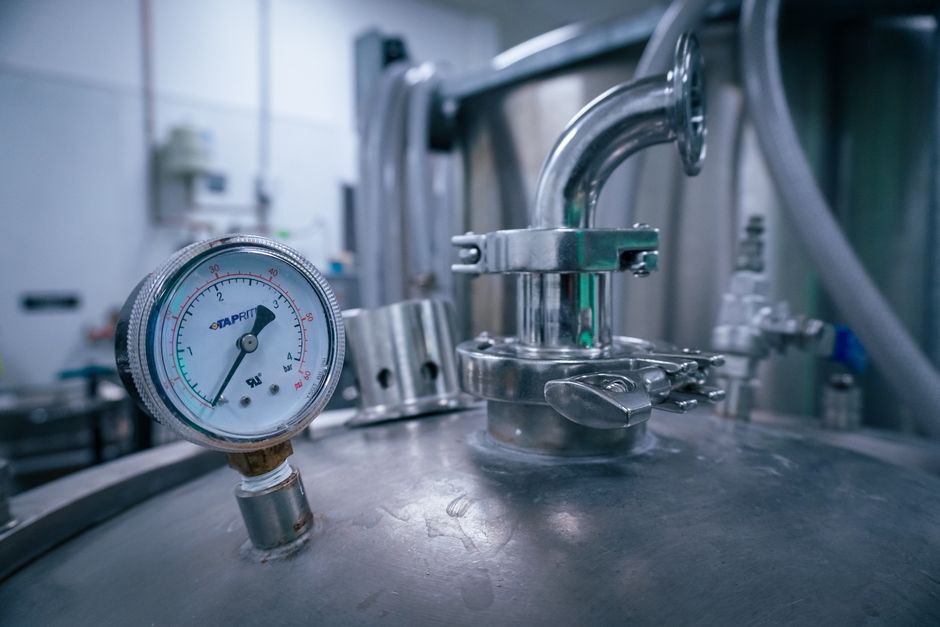
A private well system is a complex arrangement of mechanical and electrical parts, each playing a vital role:
- Submersible Pumps: These are placed deep within the well, pushing water upwards. They are often preferred for their efficiency and quiet operation.
- Jet Pumps: Typically located above ground, jet pumps create a vacuum to draw water from the well. They are generally used for shallower wells.
- Pressure Switches: These devices monitor the water pressure in the system and signal the pump to turn on when pressure drops below a set point and turn off when it reaches the desired level.
- Check Valves: Installed in the well line, check valves prevent water from flowing back down into the well when the pump is off, maintaining pressure in the system.
- Expansion Tanks (or Pressure Tanks): These tanks store a reserve of water under pressure, reducing pump cycling and providing a buffer against sudden pressure changes. They are crucial for system longevity and consistent water delivery.
How Plumbing and Water Systems Maintain Pressure
Maintaining consistent water pressure is key to a comfortable home water experience. Traditional systems rely on the pressure tank and switch to regulate this. When water is used, pressure in the tank drops, activating the pump. Once the tank is refilled and pressure restored, the pump shuts off.
More advanced systems, known as constant pressure systems, utilize a Variable Frequency Drive (VFD). A VFD allows the pump motor to operate at varying speeds, delivering a consistent flow and pressure regardless of how many fixtures are in use. This eliminates the pressure fluctuations often experienced with traditional systems. Some homes also incorporate water storage tanks for additional reserve capacity, especially in areas with lower well yields or high demand. Proper pressure regulation ensures that water is delivered efficiently and prevents stress on plumbing fixtures.
Common Signs of a Water Well and Plumbing Emergency
Recognizing the early warning signs of a water well emergency can prevent minor issues from escalating into costly disasters. For homeowners relying on well water, any disruption to this vital resource is a critical concern, often requiring immediate attention. In fact, common reasons for emergency well service often include a sudden loss of water supply, pump malfunctions, and significant pressure drops.
Sudden Loss of Water Supply in Plumbing and Water Systems
Perhaps the most alarming and immediate sign of a well emergency is a complete outage of water. This means turning on any faucet and getting no water at all. While this can be a terrifying experience, it doesn’t always indicate a catastrophic failure. Sometimes, the cause can be as simple as a tripped circuit breaker that powers your well pump. However, it could also signal more serious issues such as:
- Waterlogged Pressure Tanks: If your pressure tank feels light or the pressure gauge reads below 20 psi, it might be waterlogged, meaning it’s not holding air pressure correctly and can’t effectively push water into your home.
- Well Depletion: During periods of drought or high usage, your well’s water level might drop below the pump intake, leading to a temporary or prolonged loss of water.
- Electrical Failures: Beyond a tripped breaker, issues with wiring, control boxes, or the pump motor itself can lead to a complete cessation of operation.
- Pump Malfunctions: The well pump itself might have failed due to age, wear and tear, or a sudden electrical surge.
Water Quality Changes and Physical System Warnings
Beyond a complete loss of water, several other indicators can point to an impending or active well emergency:
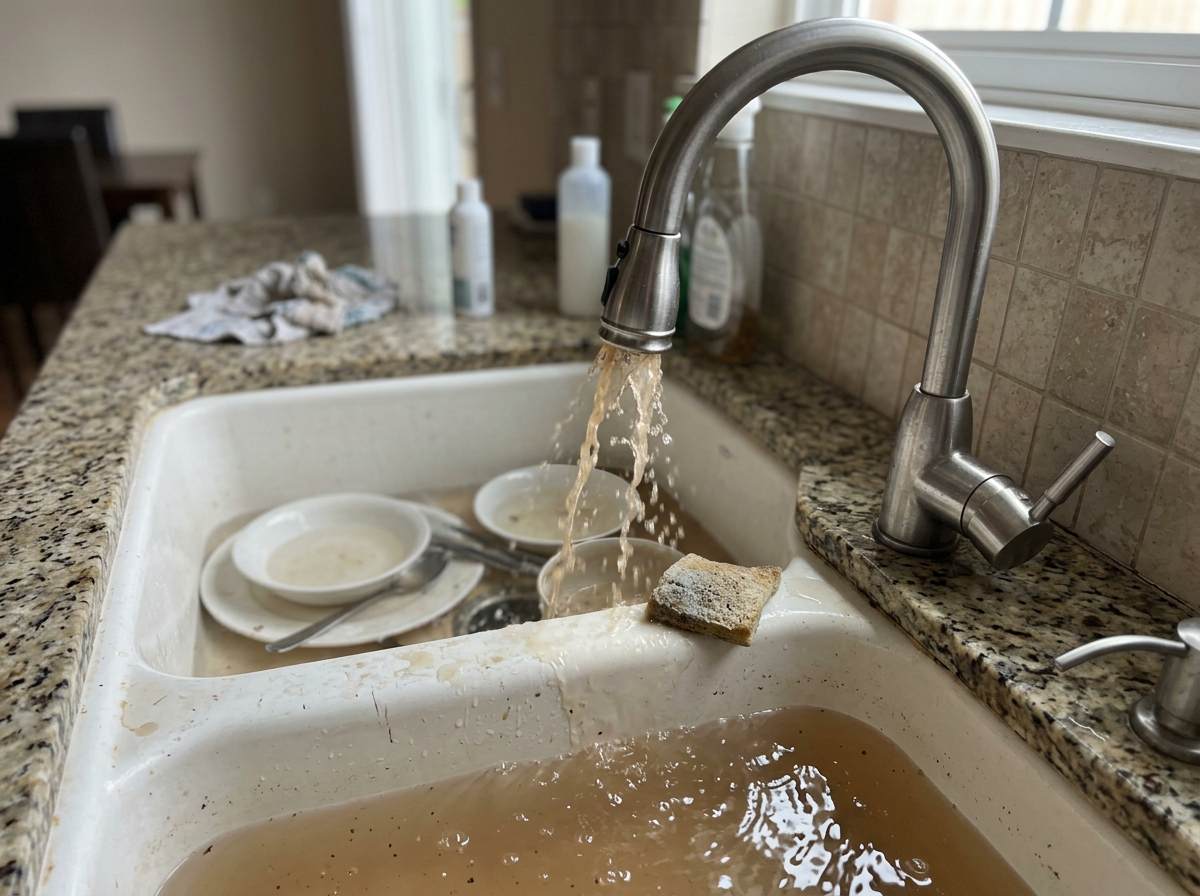
- Turbid Water or Changes in Color: Water that suddenly appears muddy, cloudy, or discolored (e.g., brown, yellow, or rusty) can indicate issues like sediment entering the well, pump problems, or even well casing damage.
- Rotten Egg Odor: A distinct sulfurous smell often points to the presence of hydrogen sulfide gas, which can be naturally occurring or a sign of certain bacteria in the water.
- Sputtering Spigots or Air from Faucets: If your faucets spit air along with water, it could mean the water level in your well is low, there’s a leak in the suction line, or the pump is struggling to draw water.
- Clicking or Constantly Running Well Pump: A pressure switch that clicks excessively or a pump that runs continuously without building pressure often indicates a leak in the system, a failing pressure tank, or a pump that cannot keep up with demand.
- Spiking Electricity Bills: A sudden, unexplained increase in your electricity consumption might signal that your well pump is running constantly or inefficiently due to a leak or malfunction, leading to higher operational costs.
The Dangers of Ignoring Well Contamination and System Failures
Ignoring issues with your water well or plumbing system can lead to far more severe consequences than just inconvenience. The potential dangers range from serious health risks due to contaminated water to extensive and costly structural damage to your property. Addressing concerns promptly is not just about restoring water flow; it’s about safeguarding your family’s health and your home’s integrity.
Health Risks of Contaminated Well Water
Your private well is a direct source of drinking water, making its quality paramount. Contamination can pose significant health threats:
- Nitrate Toxicity: Often from agricultural runoff or septic system leaks, high nitrate levels are particularly dangerous for infants, potentially causing “blue baby syndrome.”
- Coliform Bacteria: The presence of coliform bacteria, including E. coli, indicates fecal contamination, which can lead to gastrointestinal illnesses, diarrhea, dysentery, and other serious infections.
- Heavy Metals: Contaminants like lead (from old plumbing), arsenic (naturally occurring), or mercury can leach into well water, causing neurological problems, kidney damage, and various long-term health issues.
- Gastrointestinal Illness and Neurological Issues: Beyond specific contaminants, a range of harmful germs or chemicals can enter well water, leading to acute illnesses and chronic health conditions. For comprehensive guidance on water quality, consulting resources like the Indiana Department of Health Well Water Quality Guidelines is always recommended.
Physical and Structural Damage to the Property
Beyond health concerns, neglected well issues can directly impact your home:
- Flooded Basements: A burst pipe, a failing sump pump, or a well system malfunction can lead to significant basement flooding, causing damage to personal belongings, electrical systems, and the foundation.
- Collapsed Well Casings: Older steel well casings can corrode and collapse over time, leading to a complete loss of water and requiring extensive, often expensive, well drilling.
- Burnt-out Pump Motors: A pump that runs continuously due to a leak or low water level can overheat and burn out, requiring a costly replacement.
- Pipe Bursts: Unaddressed pressure issues or frozen pipes in winter can lead to ruptures, causing water damage within walls and ceilings.
- Mold Proliferation: Water leaks, whether from plumbing or a flooded basement, create ideal conditions for mold growth, which can cause respiratory issues and further structural damage.
Why DIY Repairs Pose Serious Risks to Your Water System
When faced with a water well emergency, the immediate instinct might be to attempt a do-it-yourself fix. However, for complex well systems, this approach can introduce significant risks, potentially exacerbating the problem, endangering yourself, and even voiding warranties. Well systems involve specialized knowledge and equipment that most homeowners do not possess.
Electrical and Physical Safety Hazards
Working with well systems presents several inherent dangers:
- High Voltage: Well pumps operate on high voltage electricity, and improper handling can lead to severe electric shock or electrocution.
- Heavy Equipment: Retrieving a submersible pump from a deep well or handling a heavy pressure tank requires specialized lifting equipment and techniques. Attempting this without proper tools can result in serious physical injury.
- Deep Well Retrieval: Dropping tools or components into the well during a DIY attempt can complicate future professional repairs, or worse, render the well unusable.
- Pressure Tank Explosions: Improperly handling a pressurized system, such as a waterlogged pressure tank, can lead to dangerous explosions if safety protocols are not followed.
Risk of Further System Damage and Contamination
Beyond personal safety, attempting DIY repairs can inflict further damage on your well system and compromise water quality:
- Surface Water Runoff: Improperly sealed well components or disturbed wellheads can allow surface water, carrying contaminants like pesticides, bacteria, or road salt, to enter your well.
- Improper Sealing: Any component that is not properly sealed after a repair can create entry points for contaminants, leading to water quality issues.
- Bacterial Introduction: Unsanitized tools or hands can introduce bacteria into the well, requiring costly shock chlorination or other treatment.
- Cross-Connection Hazards: Incorrect plumbing connections can create cross-connections, allowing non-potable water to mix with your drinking water supply, a serious health hazard.
Given these significant risks, it becomes clear why professional intervention is almost always necessary for water well emergencies.
Selecting a Professional Service Partner for Your Well and Pump
When a water well emergency strikes, selecting the right professional service partner is paramount. The urgency of the situation, coupled with the complexity of well systems, demands expertise, reliability, and advanced capabilities. Well system failures can occur at any time, with a significant percentage happening outside of standard business hours, underscoring the necessity of 24/7 emergency services.
When evaluating potential service providers, consider the following:
- Licensing and Certification: Ensure the company and its technicians are properly licensed and certified according to state and local regulations. Organizations like the National Ground Water Association Contractor Guidelines provide industry standards for qualification.
- Emergency Response: A truly professional service will offer 24/7 emergency availability, understanding that water issues don’t adhere to business hours. Inquire about their typical response times.
- Advanced Equipment: Modern well repair and drilling require specialized tools. A reputable company will arrive with fully stocked service trucks equipped for comprehensive diagnostics and repairs.
- Diagnostic Capabilities: The ability to accurately diagnose the root cause of the problem is crucial. Look for companies that perform thorough system diagnostics rather than just addressing symptoms.
The Importance of Advanced Drilling and Recycling Equipment
For issues requiring new well drilling or significant repairs, the type of equipment used makes a substantial difference in efficiency, environmental impact, and the longevity of your well.
- Mud Recycling Systems: Modern drilling operations often employ advanced mud recycling systems. These systems clean and reuse drilling fluids, significantly reducing water consumption and minimizing waste. This not only benefits the environment but also streamlines the drilling process. For a visual representation of how such systems work, consider this Mud Puppy Drilling and Mud Recycling Systems, which illustrates the closed-loop process. Companies utilizing such technology, like those highlighted by Mud Puppy Drilling and Mud Recycling Systems, demonstrate a commitment to efficiency and environmental responsibility.
- Borehole Integrity: Advanced drilling techniques and equipment ensure the structural integrity of the borehole, preventing future issues like casing collapse and improving the overall lifespan of the well.
- Environmental Protection: Responsible drilling practices, including proper waste management and site restoration, are vital for protecting local ecosystems and groundwater resources.
Evaluating Service Standards: Good, Better, and Best Solutions
Not all emergency services are created equal. When choosing a provider, consider the range and quality of solutions they offer:
- Good: Basic repair services that address the immediate problem. This might get your water flowing again but may not prevent future issues.
- Better: Comprehensive system diagnostics to identify underlying causes, not just symptoms. This approach often includes recommendations for preventative measures. They might also offer temporary water solutions, such as portable cisterns, to maintain supply during extensive repairs.
- Best: In addition to comprehensive diagnostics and temporary water, the best providers offer preventative maintenance agreements. These proactive plans include regular inspections, water quality testing, and tune-ups to catch potential problems before they become emergencies. They also provide honest recommendations for complete system upgrades when current components are nearing the end of their lifespan, ensuring long-term reliability and efficiency.
Your Local Central Indiana Provider: Blair & Norris Well and Pump Services
When homeowners in Central Indiana face a water well emergency, having a trusted, local expert on call is invaluable. Blair & Norris Well and Pump Services stands out as a dedicated partner, providing comprehensive solutions for all well and pump needs. Our commitment to prompt, professional service ensures that residents never have to go long without access to clean, reliable water.
We understand that a well emergency can be a stressful and disruptive experience. That’s why our team is equipped to handle everything from sudden water loss to complex pump repairs. Our certified technicians bring extensive experience and state-of-the-art equipment to every job, ensuring accurate diagnostics and efficient solutions. Whether it’s a routine maintenance check or an urgent repair, we prioritize customer satisfaction and system longevity. For those seeking immediate assistance or more information on our services, we encourage you to visit our main service page for Blair Norris 24/7 well service. We pride ourselves on transparent communication and reliable results, as reflected in numerous positive testimonials. You can read what our satisfied customers have to say about their experiences with us by checking out Blair & Norris Well and Pump Services Google Reviews.
Frequently Asked Questions about Plumbing and Water Systems
What constitutes a true water well emergency?
A true water well emergency goes beyond minor inconveniences and typically involves situations that severely disrupt your water supply or pose immediate health or safety risks. This includes:
- Complete water loss: No water flowing from any faucet in your home.
- Sewage backups: Indicating a severe plumbing issue that could contaminate your well water.
- Flooding around the wellhead: Suggesting a potential breach in the well casing or a serious leak, allowing surface contaminants to enter.
- Severe water contamination: Sudden, noticeable changes in water quality (e.g., strong odors, discoloration, turbidity) that could pose health risks.
- Pump malfunctions: A pump that runs constantly, makes unusual noises, or fails to turn on, indicating a critical failure that needs immediate attention.
How does winter weather specifically impact water wells?
Winter weather conditions present unique challenges for water well systems, significantly increasing the risk of emergencies. Frozen pipes and components are a primary concern. Here’s how winter can affect your well:
- Frozen Water Lines: Exposed water lines, especially those leading from the well to the house, can freeze and burst, leading to complete water loss and potential flooding.
- Frozen Pressure Switches: The small lines leading to the pressure switch can freeze, preventing the switch from accurately reading pressure and signaling the pump, causing the pump to not turn on or to run continuously.
- Power Outages: Winter storms often lead to power outages, which can shut down electric well pumps, leaving homes without water. Having a backup generator can be a crucial precaution.
- Altered Water Chemistry from Road Salt Runoff: Melting snow mixed with road salts can seep into the ground and potentially alter the chemistry of your well water, or even introduce contaminants. Regular water quality testing during winter months is particularly important.
How can regular maintenance prevent emergency well failures?
Proactive, regular maintenance is the most effective way to prevent costly and inconvenient water well emergencies. A comprehensive maintenance program helps identify and address potential issues before they escalate. Key maintenance practices include:
- Annual Water Testing: Regular testing for bacteria, nitrates, and other common contaminants helps ensure water quality and can detect issues early.
- Pressure Tank Inspections: Checking the air pressure in your expansion tank annually ensures it’s operating efficiently, reducing pump cycling and extending pump life.
- Amp Draw Testing: Measuring the electrical current (amps) drawn by your pump can indicate its health and efficiency. Deviations can signal impending motor failure.
- Wellhead Sanitization and Inspection: Ensuring the wellhead is properly sealed and free from damage prevents surface water contamination. Regular sanitization can prevent bacterial growth.
- General System Check-ups: A professional technician can inspect all components, including wiring, pipes, and valves, to ensure optimal performance and identify any wear and tear.
Conclusion
Understanding your home’s water well and plumbing system is essential for maintaining a reliable and safe water supply. From recognizing the subtle signs of a potential problem to knowing when to call for professional help, preparedness is your best defense against unexpected emergencies. Ignoring issues can lead to significant health risks and costly property damage, underscoring the importance of prompt action.
While some minor issues might be tempting to tackle yourself, the inherent electrical and physical hazards, coupled with the risk of further system damage or contamination, make professional intervention the safest and most effective course of action. Choosing a reputable service partner with 24/7 availability, advanced equipment, and a commitment to comprehensive diagnostics and preventative maintenance is key to long-term system reliability.
By staying informed, conducting regular maintenance, and knowing who to call in a crisis, homeowners can ensure their well systems continue to provide clean, free-flowing water for years to come. For expert assistance and peace of mind, we encourage you to contact Blair & Norris for an estimate or immediate support for your water well needs.

Experience the Difference of True Lossless Scaling in Your Games https://lsfg.pythonanywhere.com
How to Download GTA 6 Beta for Free and Play Without Any Lag https://gta2026.pythonanywhere.com
How to Get the Smoothest Frame Rates Possible on Your Laptop https://losslessscaling.pages.dev
Download GTA 6 Beta Setup and Crack for Offline Play Mode https://gta6s.pages.dev
Verified Mobile Number Data for Marketing https://datadigi.netlify.app
The Bustling World: A journey you’ll never forget https://thebustlingworld.pages.dev
The Ultimate Performance Fix for Every Modern PC Game https://lsfg.pythonanywhere.com
Experience the complexity of a real ancient society https://thebustlingworld.pages.dev
A world of endless discovery is just a download away https://thebustlingworld.surge.sh
Buy GDPR Compliant Marketing Lists https://datadigi.pages.dev
Experience Next-Level Gaming Performance on Any Hardware Configuration https://losslessscaling.pages.dev
The most immersive open-world RPG of the year https://thebustlingworld.pages.dev