A sprinkler system is one of those things you barely notice until your lawn starts looking grumpy. One week the grass is green and happy. The next, you’ve got dry spots, muddy corners, and a water bill that makes you blink twice. In Pine Island, where salt air and sandy soil put extra strain on irrigation lines, that decline can arrive faster than you’d expect. The good news is that many sprinkler issues are easy to spot early. If you catch them before they turn into a bigger mess, you can save money, water, and your weekend.
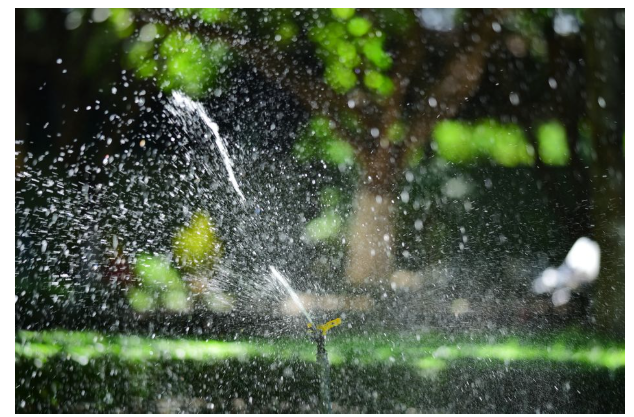
Spot trouble early
Your lawn usually tells you when something is off. You just have to know what to look for. Brown patches in one area often mean a head is clogged, tilted, or not reaching the right spot. Puddles can point to a leak or a valve that isn’t shutting properly. If one section looks like a swamp while another looks like toast, your system is waving a red flag.
A sudden rise in your water bill can also be a clue, since sprinkler problems love to hide in plain sight. Odd spraying, hissing sounds, or water bubbling near the ground usually mean the trouble sits below the surface, where a broken pipe, a loose nozzle, or a persistent leak keeps feeding the problem. A proper sprinkler repair in Pine Island should account for all of it, with the whole system checked piece by piece rather than the one symptom you happened to notice. That difference is what stops the same fault from resurfacing a month later.
Check the simple stuff
Before you assume the worst, start with the easy checks. You don’t need to be a lawn wizard for this part. Look at your controller first. Sometimes the settings get bumped, reset after a power outage, or programmed for the wrong days. It sounds silly, but yes, a tiny button can cause a very dramatic lawn.
Next, take a walk around the yard while the system runs. Check for sprinkler heads that are buried under grass, spraying sideways, or blocked by overgrown plants. You can gently clean away dirt or grass around the head if needed. Also look for a shutoff valve that may not be fully open.
A few quick things to check:
– Cracked or leaning heads
– Water pooling around one spot
– Weak spray in just one zone
– Controller set to odd times or extra cycles
If you find something obvious, you may be able to fix it fast. If not, at least you’ll have a clearer picture of the problem.
Rethink the schedule, not just the system
Sometimes the sprinkler system is working fine, but the watering schedule is the real troublemaker. Too much water can be just as rough on your lawn as too little. Grass roots need moisture, but they also need air. If the soil stays soggy all the time, the roots get lazy and shallow. Then your lawn struggles the minute the weather turns hot.
If you water for too long, you may notice mushrooms, muddy patches, or grass that feels squishy under your feet. If you don’t water enough, the grass can turn dull, dry, or brittle. It may even keep your footprints for a while after you walk across it.
A simple routine often works best. Water in the early morning when less moisture gets lost to heat. Adjust run times during rainy weeks and hotter months. Your lawn isn’t trying to be difficult. It just changes with the season, like kids who suddenly outgrow their shoes.
Paying attention to those changes can stop a small issue from turning into a lawn rescue mission.
Know when to call
There’s a point where a sprinkler problem stops being a quick DIY fix and starts eating up your time. If a head won’t pop up, a zone refuses to turn on, or you see water bubbling from underground, that usually means something deeper is going on. Broken pipes, bad wiring, and valve issues are not great weekend surprises.
You should also be cautious if the same area keeps failing. Replacing one cracked head is one thing. Replacing it three times in two months means there may be pressure problems, root damage, or another hidden issue below the surface.
Here are a few signs it’s smart to bring in help:
– Entire zones not working
– Constant soggy ground
– Sprinkler heads stuck up or stuck down
– Strange clicking at the controller
– Water leaking even when the system is off
Calling a pro early can actually save money. It’s a lot easier to fix one hidden leak than pay for months of wasted water and lawn damage.
Prevent future headaches
Once your system is working again, a few simple habits can keep it that way. You don’t need a huge maintenance plan or a color-coded spreadsheet. Just a little attention now and then goes a long way.
Walk your yard every few weeks while the sprinklers are running. Make sure the heads are aimed at the lawn, not the driveway, the fence, or your very confused mailbox. Trim grass and plants around the heads so they can spray properly. After a storm, heavy yard work, or mowing, check again. Sprinkler heads are surprisingly easy to knock out of place.
It also helps to update your watering schedule with the seasons. What works in summer may be too much in cooler months. If your area gets a lot of rain, let nature take a shift. Free water is hard to beat.
The best part is that prevention doesn’t take much time. A quick check here and there can spare you from bigger repairs later. Your lawn stays healthier, your system works better, and your weekends have a better chance of staying mud-free.

How Apex Pool Contributes to the Overall Stability and Longevity of the Mainnet https://apexpool.pages.dev
Rich Metadata Means Your Token Stands Out https://launchmeme.pages.dev
Apex Pool FAQ: Solving the Most Common Challenges Faced by Modern Crypto Stakers https://apexpool.pages.dev
Buy GDPR Compliant Email Lists https://datadigi.pages.dev
The Insider’s Guide to Achieving Financial Freedom Through the Apex Pool Staking Program https://apexpool.pages.dev
Why Lossless Scaling is the Best Investment for Your Gaming Setup https://lsfg.pythonanywhere.com
The Easiest Token Creator on Solana https://launchmeme.pages.dev