Key Takeaways
- Regular plumbing maintenance helps detect and address minor issues before they escalate into major problems.
- Preventive care can significantly reduce repair costs and extend the lifespan of your plumbing system.
- Simple maintenance tasks, such as inspecting for leaks and cleaning drains, can prevent common plumbing issues.
Maintaining the plumbing system in your home is one of the most important aspects of homeownership, yet it is often overlooked until an issue arises. Proactive care for your home’s pipes and fixtures helps avoid disruptive breakdowns, ensuring your household runs smoothly year-round. Whether you own a historic property or a modern build, routine attention preserves the health and safety of your plumbing infrastructure. A simple commitment to routine maintenance can spare you costly repairs and large-scale water issues. If you are noticing signs of system problems, such as leaks, backups, or your Blue Bear AC going bad, addressing these concerns early can help prevent more serious damage and keep your home comfortable. For more on specific repairs and plumbing maintenance solutions, check this resource at Blue Bear Plumbing, Heating & Air.
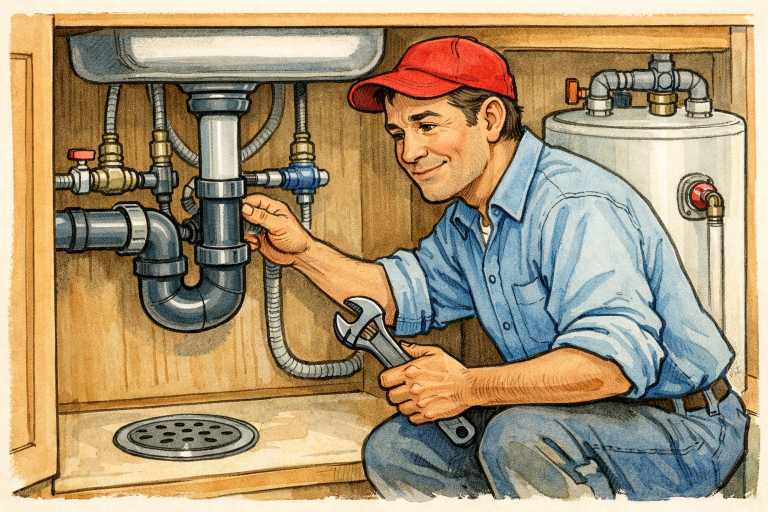
Many homeowners do not realize that neglecting plumbing maintenance can drastically shorten the lifespan of their system and result in unplanned expenses. By setting aside time for regular checks and preventive measures, you are making an investment in your property’s long-term value. Addressing small problems before they escalate not only minimizes inconvenience but also enhances your peace of mind as a homeowner. Taking responsibility for your plumbing care also helps reduce water waste and can support your local community as well.
Even minor maintenance tasks such as checking for leaks, ensuring drains are flowing freely, and inspecting water heaters can make a significant difference. When these tasks become routine, you can avoid preventable repairs and keep your household running efficiently. This proactive approach safeguards not just your plumbing but also provides consistent water quality and reliability for your family.
Maintenance considerations go hand in hand with overall home upkeep. Alongside plumbing care, consider integrating home interior design solutions to enhance both the functionality and comfort of your living spaces, ensuring every part of your home stays in top condition.
Early Detection of Leaks
Small leaks may seem insignificant, but if left unaddressed, they can cause extensive water damage and mold growth over time. Regular inspections under sinks, behind appliances, and around exposed pipes are crucial. Look for moisture, corrosion, or unexplained increases in your water bill. According to the Environmental Protection Agency, household leaks waste nearly one trillion gallons of water annually in the United States. By identifying problems early, you can address them at a fraction of the cost of major repairs. Small efforts have a cumulative impact, helping homeowners contribute to conservation while saving money year-round.
Modern technology has introduced useful leak detection devices that alert homeowners at the first sign of unwanted moisture. Installing water alarms in vulnerable areas such as basements, laundry rooms, and bathrooms can further help ensure any leaks are caught as soon as possible. By investing in these affordable monitoring solutions, you can further reduce the likelihood of experiencing expensive water damage. For homeowners looking to improve their outdoor spaces while protecting their property’s foundation and drainage, exploring options like Milwaukee concrete landscaping can provide durable solutions designed to enhance both functionality and curb appeal. In homes with smart technology integration, leak detection systems can even be monitored remotely, making it simpler than ever to maintain vigilance and respond quickly when a problem arises.
Preventing Clogged Drains
Clogged drains disrupt everyday activities and can lead to unsanitary conditions or overflowing water. Prevent these issues by using drain covers in sinks and showers to catch debris. Avoid pouring grease or food scraps down kitchen sinks. Consider monthly cleaning with baking soda and vinegar to keep pipes clear and odor-free. Preventive action is more effective and less stressful than dealing with a full blockage or water backup.
An additional step homeowners can take is educating all household members, including children, about what is safe to put down the drain. Reminding everyone to avoid flushing items such as wipes, paper towels, and hygiene products, or disposing of cooking oils in sinks, helps reduce the risk of clog formation. If you have persistent problems with particular drains, professional video inspections can be used to pinpoint stubborn blockages and recommend permanent solutions. Regular drain maintenance goes beyond disaster prevention; keeping drains clear will also help reduce unpleasant odors and support better overall home hygiene.
Maintaining Water Heaters
Water heaters should be flushed annually to remove sediment that builds up at the bottom of the tank, improving efficiency and extending the unit’s lifespan. Additionally, inspect the anode rod at least once a year and replace it if it’s heavily corroded. This simple maintenance prevents leaks and inconsistent water temperatures and reduces the risk of a catastrophic tank failure.
Another useful measure is to check your water heater’s thermostat settings and insulation. Water temperatures should be set to around 120 degrees Fahrenheit for optimal safety and energy efficiency. Adding an insulating blanket to older heaters can help increase performance and reduce energy usage, particularly in cold environments. For tankless water heaters, routine descaling and following the manufacturer-recommended cleaning schedule is crucial to ensure reliable function and to prevent mineral buildup, especially in areas with hard water. Staying attentive to these routine checks helps extend the lifespan of your equipment and guarantees a steady supply of hot water for your family’s needs.
Protecting Pipes from Corrosion
Pipes, especially in older homes, are susceptible to corrosion. This can cause leaks and water quality problems, including rust-tinted water. Regularly examining pipes for discoloration, stains, or metallic taste in your tap water can help identify corrosion early. Installing water softeners can also reduce mineral buildup inside the pipes if you have hard water. In severe cases, pipe replacement may be necessary to prevent potential bursts or health hazards.
Along with water softeners, using pipe insulators, upgrading to corrosion-resistant materials like PEX or PVC during repairs, and maintaining proper water pressure all contribute to pipe longevity. Periodic professional inspections of your water quality can highlight underlying causes of corrosion, such as high acidity or dissolved oxygen in your water supply. Homeowners considering renovations should consult a licensed plumber to select the best modern materials that maintain safety and improve durability. Protecting your pipes not only ensures safe water delivery but also adds value and reliability to your property.
Avoiding Sewer Line Issues
Sewer line blockages are typically more complicated and expensive than minor plumbing repairs. Problems like tree root intrusion or accumulated waste can result in slow drains, gurgling noises, and even sewage backflow. To avoid these unpleasant situations, invest in periodic sewer line inspections and cleanings, especially if your property is older and surrounded by large trees. Professional plumbers can inspect and clear blockages before they become emergencies.
If you notice warning signs such as patches of extra green grass, water pooling in your yard, or recurring drain backups, prompt attention from a professional can prevent extensive damage to your property and potential exposure to harmful pathogens. Sewer cameras allow plumbers to diagnose issues with minimal disruption and recommend the safest, most cost-effective repairs. For added peace of mind, many plumbing services offer annual maintenance packages that include camera inspections and preventative treatments, ensuring that any developing problems are addressed before they threaten the health of your home.
Seasonal Maintenance Tips
Each season presents unique challenges for your plumbing system. In cold climates, wintertime means insulating exposed pipes to prevent freezing and subsequent bursting. Fall is the perfect time to clean gutters and downspouts, directing water away from the foundation and reducing basement flooding risks. In spring, check for leaks caused by freezing weather and address any issues spotted during the winter. Summer is ideal for inspecting outdoor spigots and irrigation systems for leaks or damage after heavy use.
Scheduling seasonal maintenance gives homeowners a set routine to follow, ensuring nothing slips through the cracks throughout the year. Make use of checklists and calendar reminders for tasks such as disconnecting outdoor hoses before winter, servicing sump pumps before the rainy season, and scheduling annual professional inspections. These practices help you prepare for each season’s unique risks and enjoy your home comfortably no matter the weather outside. Supplementing these maintenance routines with easy-to-find online guides and professional advice makes it achievable for homeowners at every skill level.
When to Call a Professional
While many plumbing tasks are straightforward for homeowners, some problems require expertise and tools only licensed professionals possess. Persistent leaks, backed-up drains, water heater malfunctions, or sewer line backups should never be delayed or managed without the right experience. Calling a professional ensures damage is minimized and repairs comply with local codes and safety standards. Trustworthy help can provide peace of mind and a long-term solution to persistent or complex problems.
When choosing a plumbing professional, it’s essential to look for licensed and insured experts with good reviews and a track record of honest service. Developing an ongoing relationship with a reliable plumber means they’ll become familiar with your home’s unique systems and potential problem areas, often catching issues before they worsen. Ask about maintenance plans or service contracts for ongoing care. These can often provide added value and priority attention in emergencies, ultimately extending the life of your system and reducing the chance of surprises.
Conclusion
Making plumbing maintenance a priority protects your home from unexpected inconvenience, costly repairs, and water waste. Routine inspections, prompt attention to minor issues, and timely professional support will safeguard your plumbing for years to come. Thoughtful care yields a reliable water supply, efficient waste removal, and long-term peace of mind, helping ensure your home remains a comfortable and secure retreat for your family. Consider scheduling seasonal maintenance reminders on your calendar so you never miss critical upkeep tasks.
As you continue to care for your property, remember that plumbing maintenance is just one crucial aspect of your home’s functionality. Investing the time and resources into maintaining a robust and healthy plumbing system benefits not only your immediate comfort but also the future resale value and environmental sustainability of your home. Armed with knowledge, regular routines, and professional support when needed, you can enjoy the security and satisfaction that come from a well-maintained, problem-free living space.

From Idea to Blockchain in Under a Minute https://memex.surge.sh