Handing over the car keys to your teen driver is one of those quintessential parenting milestones that triggers a wild mix of emotions.
On one hand, you are thrilled about the end of your unofficial career as a non-stop neighborhood chauffeur. On the other hand, you feel a mix of excitement and anxiety when your teen transitions from the passenger side to the driver’s seat.
It is completely normal to feel this way. The road can be a scary place for a new driver. In fact, teens have nearly four times the crash rate of older adults. Their brains are still developing, and they simply lack experience behind the wheel.
But do not panic just yet. You can help them build good habits that keep them safe for life. In this article, we will share the best ways to raise a truly responsible and safe teen driver.
#1 Lead by Example from the Passenger Seat
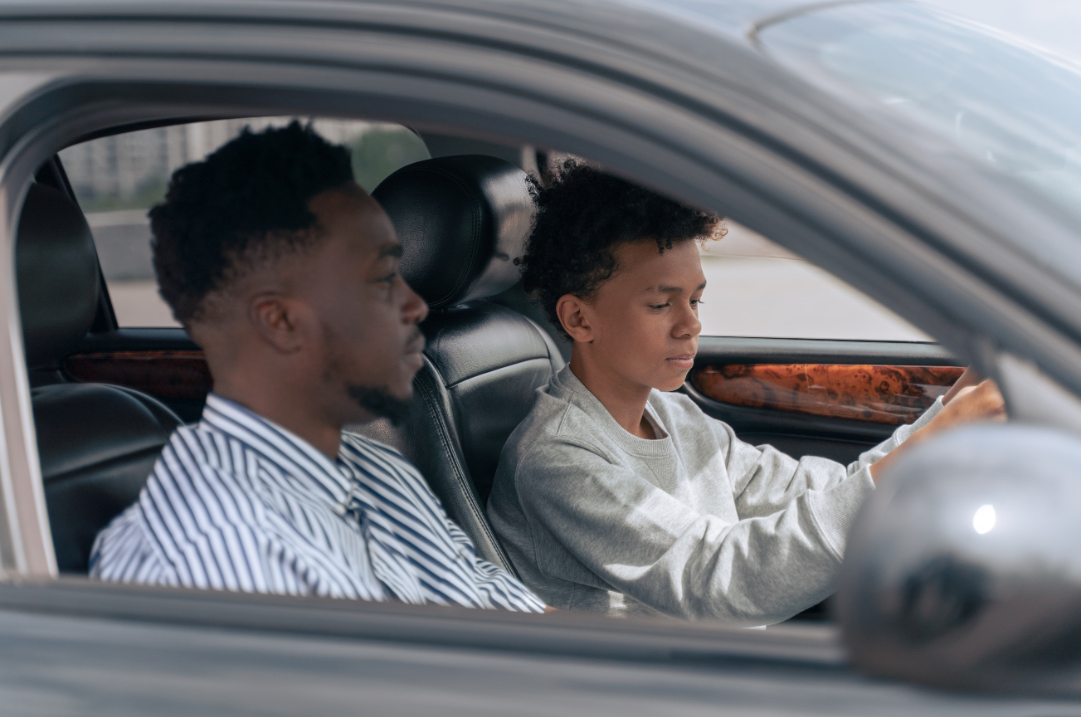
When you sit in the passenger seat during practice, you are the teacher. You must show your teen what a responsible driver looks like. Distracted driving is one of the biggest dangers on the road today. It claimed around 3,208 lives in 2024.
Most of the time, that distraction is a smartphone. If your teen sees you checking a text at a red light, they will think it is fine for them to do it too.
National Safety Council CEO Lorraine Martin emphasized this threat in a recent NSC news release. She stated, “No one should ever get hurt or lose their life because of a text or a phone call.”
Put your phone away entirely. Make a big deal out of placing it in the glove box. Let them see that the road gets your full attention.
Control your temper on the road. Road rage is common these days, but getting angry never solves anything. If someone cuts the car off, take a deep breath instead of yelling or honking aggressively. Tell your teen that safety is always more important than pride.
Keep your coaching tone positive. Sitting in the passenger seat can make you nervous, but yelling will only make your teen panic. Speak in a quiet, steady voice and give them directions early. Your calm energy keeps them focused and makes learning much easier.
#2 Practice in Diverse Conditions
Many parents take their teens out on sunny afternoons or stick to quiet neighborhood streets. This builds a false sense of safety. The real world is full of sudden changes, bad weather, and crazy traffic. Your teen needs to practice driving in all kinds of situations while you are still there to help.
A lack of experience in tough conditions can lead to terrible situations. Take the tragic crash that took place in central Toledo, for example.
According to police, a 17-year-old riding a VEO scooter westbound on Lincoln Avenue ran a red light at North Detroit Avenue around 10:07 p.m. He was then struck by a southbound vehicle being driven by a 48-year-old.
Incidents like these highlight how quickly lack of awareness can lead to severe legal and physical ramifications.
In Ohio, determining liability in a car accident typically hinges on negligence. Zoll & Kranz, LLC notes that an injured party must prove that another driver failed to exercise reasonable care, directly resulting in the collision.
In cases like these, a Toledo auto accident attorney can help prove liability and secure compensation for the damages incurred.
But your lessons are the best shield against those errors. Practice highway merging during quiet hours before moving to heavy rush-hour traffic. Show them how to check mirrors and blind spots every single time.
#3 Teach the Art of Defensive Scanning
New drivers tend to stare straight at the bumper of the car right in front of them. This is called tunnel vision. It is dangerous because it gives them almost zero time to react if that car stops suddenly. You need to teach your teen the art of defensive scanning as part of defensive driving.
Defensive scanning means keeping your eyes moving constantly. Tell your teen to look far down the road ahead. They should look 10 to 15 seconds ahead of where they are. This helps them spot brake lights, construction zones, or stalled cars early. When they see trouble far away, they can slow down.
Teach them to check their mirrors every few seconds. They should know exactly what is happening behind them and to their sides.
Show them how to do a quick shoulder check before they move the car left or right. Mirrors are great, but they do not show everything. Blind spots can hide a whole motorcycle or a small car.
Scanning also involves watching the sides of the road. Advise them to look out for kids playing or dogs running loose in neighborhoods. In rural areas, they need to watch for deer. In the city, they must watch for people stepping off the sidewalk without looking.
FAQs
What is the most dangerous hour for teen drivers?
The evening hours between 9:00 p.m. and midnight are the most dangerous for teens due to low visibility, fatigue, and social distractions.
How many hours should a parent practice driving with a teen?
Most states require 50 hours of supervised practice, including 10 hours at night, but more hours build better defensive driving habits.
Should I use a driving monitoring app for my teen?
Yes, safety tracking apps help monitor speed and hard braking, which encourages accountability and helps you track their daily progress.
Key Statistics
| Statistic / Data Point | What It Means |
| 4x Higher Crash Rate | Teen drivers have nearly four times the crash rate of older adults due to developing brains and lack of experience. |
| 3,208 Fatalities (2024) | The number of lives claimed by distracted driving in a single year, with smartphones being the primary cause. |
| 10 to 15 Seconds | The ideal distance a driver should scan ahead down the road to spot hazards early and avoid tunnel vision. |
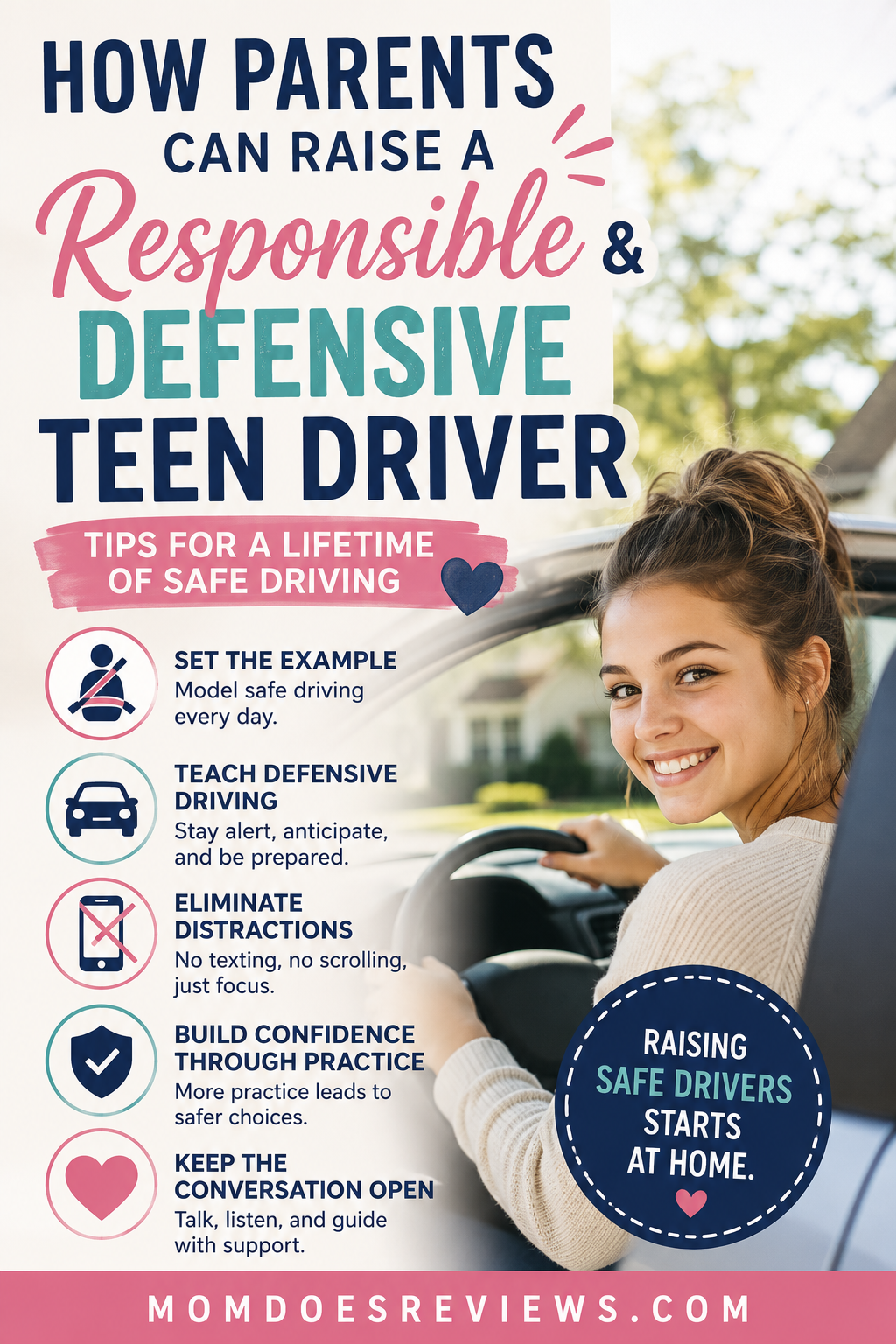
Raising a safe driver does not happen on a weekend. It takes months of patient practice, long conversations, and lots of miles.
Remember to praise your teen driver when they do something right. Do not just point out their mistakes. Tell them when they make a great stop. Compliment them when they change lanes smoothly. Positive reinforcement builds their confidence.
Eventually, you can confidently guide your teen toward a lifetime of safe, defensive, and joyful driving.
