What is Holistic Health and Wellness?
In June 2026, many individuals still struggle to find comprehensive answers for their health concerns, often feeling unheard by the conventional medical model. An estimated 50% of the U.S. population lives with chronic illness, yet numerous patients report that finding real answers can take years and significant financial investment. This widespread challenge underscores a critical need for healthcare approaches that look beyond isolated symptoms.
This context has propelled holistic health and wellness to the forefront, offering a patient-centered framework that honors the interconnectedness of mind, body, and spirit. Unlike conventional methods that often focus solely on treating disease, holistic approaches aim to restore overall balance and promote resilience. This extensive guide will explore the fundamental principles of holistic health, its core components, and how it diverges from traditional medicine.

Readers will discover how holistic practitioners address the root causes of health issues, integrate various therapeutic modalities, and leverage functional medicine for personalized care. Embracing a whole-person approach can lead to profound benefits, from managing chronic conditions to enhancing overall quality of life. For individuals seeking to integrate mental and emotional well-being into their journey, exploring supportive resources such as Holistic expat CBT for stress can be a valuable first step.
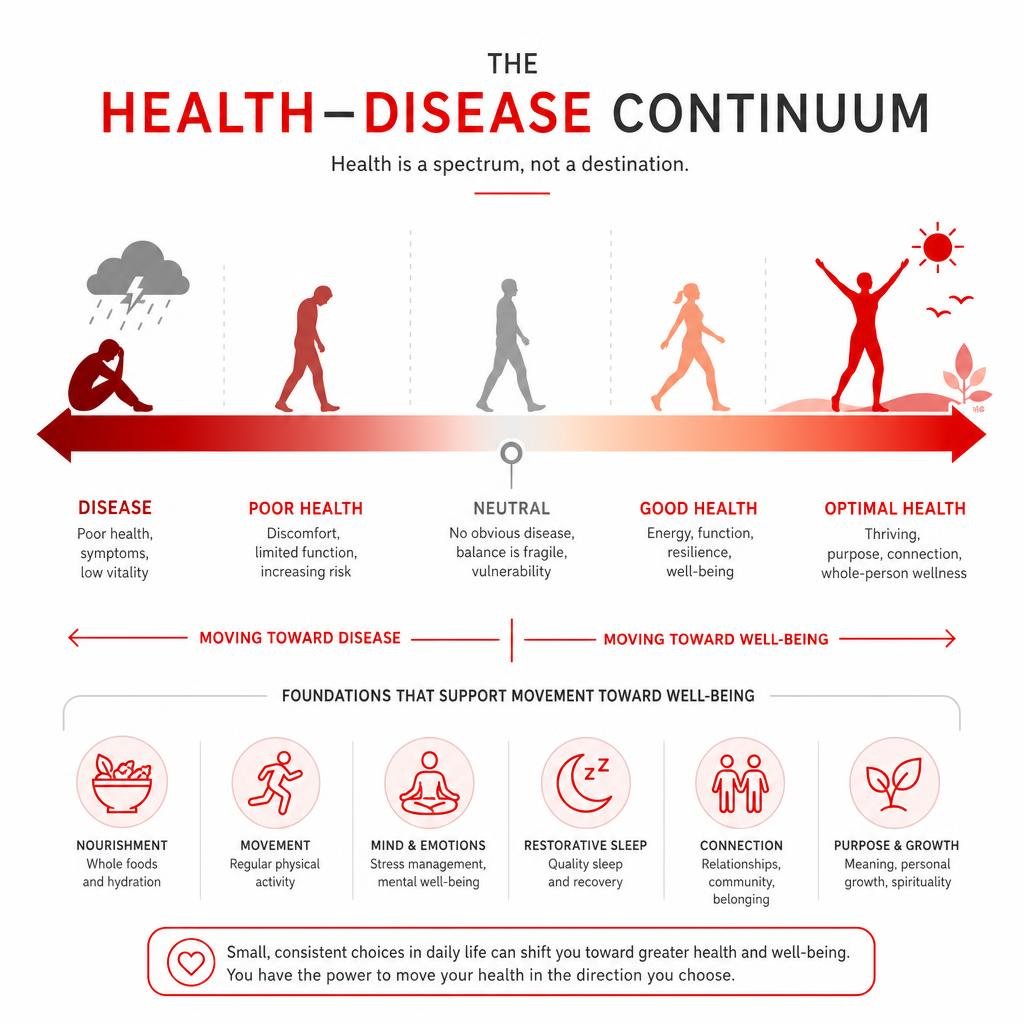
Holistic health is an approach to well-being that emphasizes the interconnectedness of a person’s entire being. Derived from the Greek word “holos,” meaning “whole,” holism posits that all parts of an individual—physical, mental, emotional, spiritual, and social—are intimately linked and influence one another. Therefore, true health is not merely the absence of disease but a state of complete physical, mental, and social well-being, as well as a sense of purpose and connection.
This philosophy encourages a comprehensive view of health, moving beyond the traditional focus on specific symptoms or isolated body parts. Instead, it considers how various internal and external factors contribute to an individual’s overall health trajectory. The National Center for Complementary and Integrative Health (NCCIH) defines “whole person health” as an approach that looks at the entire individual, considering multiple factors that either promote health or contribute to disease, and focusing on restoring health, fostering resilience, and preventing illness across the lifespan. This perspective contrasts sharply with a fragmented approach that treats symptoms in isolation. Understanding this foundational principle is key to appreciating how holistic health aims to achieve mind-body balance, as further explored by resources like Beaire’s insights on holistic health.
Holistic Health vs. Conventional Medicine
The distinction between holistic health and conventional medicine lies primarily in their foundational philosophies and approaches to patient care. Conventional medicine, often described as “disease-oriented” and “doctor-centered,” typically focuses on diagnosing and treating specific illnesses or symptoms. It excels in acute care, emergency interventions, and surgical procedures, often relying on pharmaceutical solutions to manage or eradicate disease. While highly effective in many scenarios, this model can sometimes overlook the broader context of a patient’s life and the underlying causes of chronic conditions. Patients frequently report feeling unseen or unheard, with their concerns dismissed as “just stress” or their lab results deemed “fine,” even when experiencing persistent symptoms. The average time patients spend face-to-face with a doctor in conventional appointments is often limited to around 20 minutes, which can restrict a thorough exploration of their health history and lifestyle.
In contrast, holistic health adopts a “patient-centered” and “health-oriented” approach. It views the individual as a complex system where physical, mental, emotional, spiritual, and social elements are constantly interacting. Holistic practitioners delve into the “biochemical individuality” of each person, recognizing that what works for one may not work for another. Their goal is to identify and address the root causes of health issues rather than just alleviating symptoms. This often involves extensive initial consultations, with naturopathic doctors, for instance, spending between one and two hours in their first appointments to gather a comprehensive understanding of the patient’s life, diet, stress levels, environmental exposures, and emotional well-being. This extended engagement allows for the development of highly personalized treatment plans that empower patients to actively participate in their healing journey.
The Five Core Components of Holistic Health and Wellness
Holistic health is built upon the understanding that well-being is a multifaceted concept, encompassing several interconnected dimensions. To achieve true health and balance, practitioners and individuals must address all five core components:
- Physical Health: This dimension focuses on the body’s physiological functioning. It includes nutrition, regular exercise, adequate sleep, hydration, and maintaining a healthy weight. Physical health also involves preventive care, such as regular check-ups, and addressing any physical ailments or imbalances through appropriate therapies. The goal is to optimize bodily systems for energy, vitality, and resilience.
- Mental Health: Encompassing cognitive function, mental health relates to our ability to think clearly, learn, and process information. It involves maintaining a positive outlook, managing stress effectively, and fostering mental clarity. This dimension is crucial for decision-making, problem-solving, and adapting to life’s challenges. Practices like mindfulness can significantly enhance mental well-being, helping individuals become more present and aware of their thoughts and surroundings. For more on this, exploring resources like Defining Mindfulness can be beneficial.
- Emotional Health: This component deals with our ability to understand, express, and manage emotions in a healthy way. It involves developing emotional intelligence, coping mechanisms for stress, anxiety, and sadness, and cultivating positive emotions like joy and contentment. Emotional health also includes building strong, supportive relationships and practicing self-compassion, which is vital for resilience and inner peace. Learning to practice self-compassion can be a powerful tool in this area.
- Spiritual Health: Often misunderstood, spiritual health is not necessarily tied to religion, but rather to an individual’s sense of purpose, meaning, and connection to something greater than themselves. It involves values, ethics, and a sense of inner peace. This dimension can be nurtured through practices like meditation, spending time in nature, engaging in creative pursuits, or contributing to one’s community. It provides a framework for resilience and finding hope during difficult times.
- Social Health: This dimension refers to our ability to connect with others, build meaningful relationships, and contribute positively to our communities. It involves effective communication, empathy, respecting diversity, and fostering a sense of belonging. Strong social ties are known to be protective factors against stress, loneliness, and various health issues, contributing significantly to overall well-being.
By addressing these five interconnected areas, holistic health aims to create a harmonious balance that supports an individual’s optimal well-being and fosters a sustainable path to recovery.
Addressing Root Causes: Functional Medicine and Integrative Therapies
A cornerstone of holistic health is its commitment to identifying and treating the root causes of health issues, rather than merely managing symptoms. This approach recognizes that symptoms are often signals of deeper imbalances within the body’s complex systems. For example, chronic fatigue might not just be a matter of needing more sleep, but could stem from underlying adrenal dysfunction, nutrient deficiencies, or gut imbalances. This perspective is a significant departure from conventional models that might prescribe medication to alleviate fatigue without investigating its origins.
A prime example of this interconnectedness is the gut-brain axis, a bidirectional communication system between the gastrointestinal tract and the central nervous system. Research highlights that the gut, often referred to as the “second brain,” plays a profound role in mental and emotional well-being. A staggering 90-95% of the body’s serotonin, a key neurotransmitter influencing mood, is produced in the gut. Imbalances in gut microbiota (dysbiosis) can impact neurotransmitter production, increase inflammation, and affect brain function, contributing to conditions like anxiety, depression, and brain fog. Dismissing these as purely psychological issues without considering gut health would be a missed opportunity for comprehensive healing.
Platforms like the AI-Powered Functional Medicine Platform are emerging to help individuals identify potential root causes by analyzing symptoms that traditional medicine might overlook, providing a starting point for deeper investigation. Similarly, methodologies such as the hol+ Methodology Power Rx: Functional Medicine Overview emphasize uncovering these fundamental imbalances through a structured, whole-person assessment.

The Role of Functional Medicine in Holistic Health and Wellness
Functional medicine is a dynamic, patient-centered approach that perfectly aligns with the principles of holistic health. It is an evidence-based practice that focuses on identifying and addressing the root causes of disease, rather than just treating symptoms. Functional medicine practitioners delve deep into an individual’s genetic makeup, lifestyle, and environmental exposures to understand the unique physiological and biochemical pathways that contribute to their health status.
Key areas of investigation in functional medicine include:
- Gut Dysbiosis: Imbalances in the gut microbiome can lead to widespread inflammation, nutrient malabsorption, and impact immune function and mental health. Functional medicine utilizes comprehensive stool analyses and other tests to identify specific microbial imbalances and implement targeted interventions like dietary changes, probiotics, and prebiotics to restore gut health.
- Adrenal Function: The adrenal glands play a crucial role in stress response and hormone production. Chronic stress can lead to adrenal dysfunction, manifesting as fatigue, sleep disturbances, and mood swings. Functional medicine assesses adrenal health through salivary or urine hormone testing and supports adrenal recovery through lifestyle modifications, adaptogenic herbs, and stress management techniques.
- Hormone Reset: Hormonal imbalances can affect everything from metabolism and mood to energy levels and reproductive health. Functional medicine takes a comprehensive look at sex hormones, thyroid hormones, and adrenal hormones, using personalized protocols involving diet, supplements, and bioidentical hormone therapy where appropriate, to bring the body back into balance.
Practices like Whole Health in Lakewood Ranch, Florida, exemplify this approach by offering integrative and holistic concierge care that combines advanced diagnostics with personalized treatment plans. Similarly, functional medicine health coaches, such as those highlighted by Holistic Health Lifestyle, guide individuals through dietary changes, stress reduction, and targeted supplementation to address these underlying issues, empowering them to take an active role in their healing journey.
Integrating Traditional and Alternative Therapies
Holistic health centers often distinguish themselves by seamlessly integrating a wide array of traditional and alternative therapies with conventional medical understanding. This integrative approach acknowledges the value of diverse healing modalities and customizes treatment plans to suit each individual’s unique needs.
Some commonly integrated therapies include:
- Acupuncture: Originating from Traditional Chinese Medicine, acupuncture involves inserting thin needles into specific points on the body to balance energy flow (Qi). It is widely used for pain management, stress reduction, digestive issues, and improving fertility.
- LENS Neurofeedback: Low Energy Neurofeedback System (LENS) is a gentle, non-invasive brain-training technique that helps reset brainwave patterns. It can improve focus, mood, sleep, and reduce symptoms of anxiety, depression, ADHD, and PTSD by optimizing brain function.
- Somatic Therapy: This body-centered approach focuses on the connection between the mind and body, helping individuals process trauma and emotional distress through physical sensations and movement. Techniques like Somatic Experiencing and Hakomi method help release stored tension and promote emotional regulation.
Other modalities frequently found in holistic settings include herbal medicine, nutritional counseling, massage therapy, yoga, meditation, chiropractic care, and energy healing practices like Reiki. The goal is to create a synergistic effect, where different therapies complement each other to support the body’s innate healing capabilities. For instance, a clinic like B Holistic Health emphasizes natural approaches to health, often combining lifestyle interventions with nutraceuticals. Furthermore, the growing acceptance of plant-based remedies means that services exploring Aventus8 cannabis wellness can also be part of a comprehensive, integrative plan, particularly for chronic pain or anxiety, when guided by qualified practitioners. This integration ensures a truly comprehensive and personalized path to well-being.
The Benefits of a Whole-Person Approach to Recovery
Embracing a whole-person approach to health and wellness offers profound and lasting benefits that extend far beyond symptom relief. By addressing the interconnectedness of physical, mental, emotional, spiritual, and social well-being, individuals can cultivate true resilience and prevent future health challenges. This comprehensive strategy empowers individuals to become active participants in their health journey, fostering sustainable lifestyle changes rather than relying on temporary fixes.
A significant benefit is the enhanced ability to build resilience. When all aspects of a person’s life are considered and nurtured, they are better equipped to cope with stress, overcome adversity, and maintain balance even in challenging circumstances. This holistic resilience is crucial for long-term health and emotional stability. Furthermore, this approach places a strong emphasis on prevention. By identifying and addressing underlying imbalances early on, holistic methods can avert the onset or progression of chronic conditions, leading to a healthier and more vibrant life.
The efficacy of this approach is supported by emerging research. A Cleveland Clinic study on patients undergoing functional medicine treatment, for example, demonstrated significant improvements in overall health-related quality of life compared to those in traditional primary care settings. This highlights how a focus on root causes and comprehensive well-being translates into tangible improvements in daily living. For athletes, this integrated perspective is particularly vital, as exemplified by programs like the Executive Program in Holistic Health and Athlete Lifestyle, which recognizes that peak performance and recovery depend on more than just physical training. Similarly, consulting with professionals focused on Expert athletic wellness can help individuals optimize their physical and mental states for sustained health and performance.
Managing Chronic Conditions and Lifestyle Diseases
The holistic approach is particularly impactful in the management of chronic conditions and lifestyle-related diseases, which affect a significant portion of the population. As of June 2026, an estimated 50% of the U.S. population lives with chronic illness, often struggling with symptoms that conventional medicine may only partially alleviate. Holistic health offers a pathway to not just manage these conditions, but to potentially reverse their progression and significantly improve quality of life.
By focusing on root causes, holistic practitioners can address the underlying factors contributing to conditions like diabetes, heart disease, autoimmune disorders, and chronic pain. This often involves comprehensive dietary changes, stress reduction techniques, targeted nutritional supplementation, and lifestyle modifications that support the body’s natural healing mechanisms. For instance, conditions often dismissed or inadequately addressed by conventional medicine, such as premenstrual syndrome (PMS), see remarkable improvement with holistic interventions. Statistics show that 47.8% of women experience PMS symptoms, and some holistic health practices report an impressive 80% improvement in PMS symptoms within the first 60 days for their patients. This demonstrates the power of personalized, root-cause-focused care.
Wellness centers and clinics around the world are increasingly adopting these comprehensive strategies. From specialized services for women’s health, such as those offered by Julie Millour in Málaga, to luxury wellness clinics like the SHA Wellness Clinic in Spain, the emphasis is on integrated programs that empower individuals to regain control over their health. These centers provide environments where individuals can engage in detox protocols, hormone balancing, gut repair, and stress management, all designed to alleviate chronic symptoms and foster long-term well-being.
Navigating Wellness as an Expat in Spain
For expats living in Spain, navigating health and wellness can present unique challenges that a holistic approach is particularly well-suited to address. Moving to a new country, even one as vibrant as Spain, often involves significant cultural adjustment, which can lead to stress, anxiety, and a sense of isolation. These factors can profoundly impact mental and emotional well-being and, subsequently, physical health. Expats may face language barriers, differences in healthcare systems, and a lack of familiar social support networks, all contributing to potential health concerns.
Holistic health offers a framework that acknowledges these interconnected stressors. It encourages expats to consider how their new environment, social interactions, and emotional state are influencing their overall health. For example, an expat experiencing chronic fatigue might find that the root cause lies not just in diet, but also in unaddressed homesickness or difficulty adapting to local customs.
In cities across Spain, from the bustling metropolis of Barcelona to the coastal serenity of Valencia and the cultural richness of Málaga, resources are emerging to support expat wellness. Professionals like Leigh Matthews, an Australian Psychologist, who may be represented by an avatar like Emily, understand the specific nuances of expat life. They can provide tailored guidance that integrates mental health support with broader lifestyle considerations. For expats dealing with stress and anxiety, exploring resources focused on Holistic expat CBT for stress can be invaluable. Additionally, practices like Mindfulness for Expats offer practical tools for managing the unique pressures of living abroad, helping individuals cultivate inner calm and adapt more effectively to their new surroundings. By recognizing the whole person within their unique expatriate context, holistic health empowers individuals to thrive, not just survive, in their adopted home.
Frequently Asked Questions about Holistic Health
As holistic health gains prominence, many individuals have common questions and concerns about its practices, effectiveness, and integration with conventional medicine. Addressing these frequently asked questions can provide clarity and guide prospective patients toward informed decisions about their health journey.
How do I find a qualified holistic health practitioner?
Finding a qualified holistic health practitioner is crucial for a safe and effective healing journey. It requires careful consideration of credentials, licensing, and professional affiliations. Unlike conventional medicine, where regulatory bodies are clearly defined, the holistic health landscape can be diverse.
When seeking a practitioner, look for individuals with recognized certifications or degrees in their specific modalities, such as naturopathic doctors (NDs), functional medicine practitioners, licensed acupuncturists, certified nutritionists, or registered holistic health practitioners. Many reputable practitioners are affiliated with professional associations that uphold ethical standards and require ongoing education. For example, in May 2021, the median annual wage for nutritionists was $61,650, and for health education specialists, it was $60,600, indicating established career paths and professional standards in these fields.
It’s also advisable to:
- Check for licensing: Ensure they are licensed in their respective fields if applicable (e.g., naturopathic physicians in states where they are recognized, or licensed massage therapists).
- Inquire about their philosophy: Understand their approach to patient care and ensure it aligns with your values.
- Ask about experience: Look for practitioners with experience in treating conditions similar to yours.
- Read testimonials and reviews: Patient feedback can offer insights into their practice and patient experience.
- Schedule a discovery call: Many practitioners offer a free initial consultation to discuss your needs and their services.
Geographic regions are also becoming hubs for holistic wellness, such as Gran Canaria, which is emerging as a new sanctuary of well-being, attracting skilled practitioners and diverse wellness services.
What does the research say about the effectiveness of holistic health?
The body of research supporting the effectiveness of holistic health approaches is continually growing, though it often differs in methodology from traditional pharmaceutical trials. While randomized controlled trials for multi-component holistic interventions can be complex due to the individualized nature of the treatments, evidence comes from several avenues:
- Epidemiological Studies: Large-scale studies, such as the Framingham Heart Study and the Nurses’ Health Study, have consistently demonstrated strong correlations between lifestyle factors (diet, exercise, stress management, social connections) and long-term health outcomes, including reduced risk of chronic diseases. These studies inherently support the holistic premise that lifestyle profoundly impacts health.
- Functional Medicine Outcomes: As noted earlier, studies like the one at Cleveland Clinic have shown that functional medicine approaches lead to significant improvements in patients’ overall health-related quality of life.
- Specific Modality Research: Individual holistic therapies, such as acupuncture for pain, mindfulness for stress reduction, and yoga for mental health, have accumulated substantial evidence for their efficacy in specific conditions.
- Whole Person Health Initiatives: Government and institutional programs, such as the VA Whole Health System, are actively integrating complementary and integrative health approaches into standard care, driven by evidence of improved patient outcomes and satisfaction.
While some holistic practices may have less “hard science” by conventional standards, the emphasis on patient-reported outcomes, quality of life, and the prevention of disease through lifestyle changes is increasingly recognized. Wellness destinations like the Marbella Club Spa & Fitness sanctuary and the specialized offerings at Resort to Laura Madrid for wellness are testaments to a growing trust in these integrated approaches, driven by both anecdotal success and scientific validation.
Can holistic therapies be combined with conventional medical treatments?
Absolutely. One of the most powerful aspects of modern holistic health is its capacity for integration with conventional medical treatments, often referred to as “integrative medicine” or “complementary medicine.” The goal is not to replace conventional care but to enhance it, providing a more comprehensive and patient-centered approach to healing.
Many holistic therapies can safely and effectively be used alongside standard medical treatments to manage symptoms, reduce side effects, improve recovery times, and enhance overall well-being. Examples include:
- Integrative Oncology: Using acupuncture to reduce chemotherapy-induced nausea, meditation for stress management during cancer treatment, or nutritional counseling to support immune function.
- Pain Management: Combining physical therapy, chiropractic care, and mind-body practices like yoga or biofeedback with conventional pain medications.
- Chronic Disease Management: Integrating dietary changes, stress reduction, and herbal supplements with prescribed medications for conditions like diabetes or heart disease, under the guidance of both conventional and holistic practitioners.
- Mental Health: Pairing psychotherapy and medication with mindfulness, yoga, or nutritional support to address anxiety and depression more comprehensively.
The key to successful integration is open communication between all healthcare providers involved. Patients should always inform their conventional doctors about any holistic therapies they are pursuing and vice versa. This collaborative approach ensures safety, prevents potential interactions, and optimizes health outcomes. Centers like the Valencia Health & Wellness Center | MEND Health & Wellness often exemplify this integrated model, offering a range of therapies that can complement traditional medical care. This collaborative spirit ensures that patients receive the best of both worlds, leveraging the strengths of diverse medical paradigms for truly comprehensive care.
Conclusion
The journey toward holistic health and wellness is an empowering one, shifting the focus from disease management to cultivating a vibrant, balanced life. In June 2026, as individuals continue to seek comprehensive solutions for their health concerns, the holistic paradigm offers a compelling alternative and complement to conventional medicine. By recognizing the profound interconnectedness of our physical, mental, emotional, spiritual, and social selves, we unlock pathways to deeper healing and sustainable well-being.
Embracing a whole-person approach means addressing root causes, not just symptoms, and integrating a rich tapestry of therapies—from functional medicine to ancient healing practices. The benefits are far-reaching, leading to improved quality of life, enhanced resilience, and a proactive stance against chronic conditions and lifestyle diseases. For expats and individuals navigating unique life transitions, this comprehensive perspective is particularly valuable, offering tailored support that acknowledges every facet of their experience.
Holistic health is about empowerment—equipping individuals with the knowledge and tools to become the primary architects of their own health. It encourages a mindful, intentional approach to living that fosters harmony within and without. If you are ready to explore a more integrated path to well-being, taking the first step could be transformative. Consider booking a Free Discovery Call to discuss your needs, or explore the convenience and accessibility of online therapy to begin your journey towards a more holistic and fulfilling life.
