A person can leave the same house every morning and return every evening without giving much thought to the space in between. The walls become familiar, the furniture becomes expected, and daily routines begin to feel automatic. However, the home environment surrounding those routines quietly influences comfort, productivity, and even overall satisfaction.
A home is more than a place to sleep. It is where mornings begin, where conversations happen, and where people recover from demanding days. Because so much time is spent there, the design and functionality of a home can have a greater impact than many realize.
The interesting part is that these effects are often subtle. A cluttered room may create frustration without drawing attention to itself. A well-organized space may encourage calm without anyone consciously noticing why. Like a slow-and-steady habit-building process, the home environment shapes experiences through repeated daily interactions. The influence may not be dramatic, but it is constant.
The Spaces Around Us Influence More Than We Think
People often focus on what they do each day, but where those activities take place matters as well. Home environments can either support routines or create obstacles that make everyday life feel more difficult.
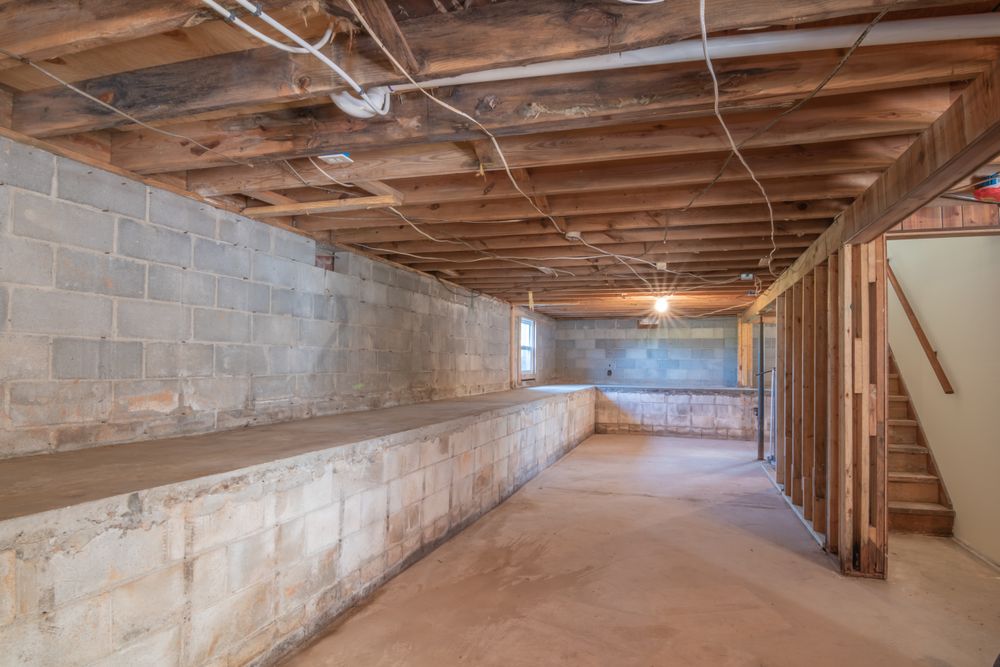
One area that is frequently overlooked is the basement. In many homes, it becomes a storage space filled with boxes and rarely used items, even though it often represents one of the largest untapped areas in the house. As homeowners look for ways to maximize existing square footage, unfinished or underused lower levels are increasingly being viewed as opportunities rather than afterthoughts. This is one reason homeowners continue investing in improvements that make their homes more functional. Companies such as Matrix Basements have helped demonstrate how underused areas can be transformed into practical living spaces that support modern lifestyles. When additional room becomes available for work, recreation, or relaxation, daily experiences can change significantly.
A home that feels crowded may create unnecessary stress. A home that offers designated spaces for different activities often feels easier to navigate. Small design changes can create noticeable differences in how a household functions.
For example, a quiet reading area may encourage relaxation after work. Another family may convert unused space into a dedicated hobby room, making it easier to enjoy personal interests without disrupting other activities. These adjustments may seem simple, but they influence how time is spent and how comfortable a home feels.
Would daily routines become easier if living spaces better supported the activities taking place within them? For many homeowners, the answer is clear.
Comfort Is Often Built Through Small Decisions
People frequently associate comfort with large renovations, but many of the most effective improvements come from smaller choices. Lighting, organization, furniture placement, and storage solutions all contribute to how a home feels.
Natural light can make rooms feel more inviting. Better organization can reduce visual distractions. Comfortable seating can encourage people to spend more time together. These elements may not attract immediate attention, but they influence daily experiences repeatedly.
Comfort is often experienced physically and emotionally. A room that feels open may encourage relaxation. A space that feels organized may make it easier to focus. When these factors work together, a home begins to support well-being in practical ways.
One homeowner may notice improved concentration after creating a dedicated workspace. Another may find that a reorganized living area encourages more family interaction. Neither change requires a complete remodel, but both can affect daily life in meaningful ways.
The most successful homes are not always the largest. They are often the ones designed around how people actually live.
Good Design Helps Daily Life Flow Better
Thoughtful design removes friction from everyday routines. When spaces are planned with purpose, activities can be completed more efficiently and comfortably.
Several home features often contribute to a better daily experience:
- Functional storage that reduces clutter
- Flexible spaces that support different activities
- Comfortable seating areas for relaxation
- Adequate lighting for daily tasks
- Layouts that improve movement throughout the home
These features may not seem extraordinary on their own. Together, however, they can significantly improve how a household functions.
Every Room Contributes To The Bigger Picture
Many people think about home improvements one room at a time, but each space contributes to the overall experience of living in a home. The living room, bedroom, bathroom, and even the kitchen all play important roles.
The kitchen, for example, is often used for much more than preparing meals. Conversations take place there, plans are discussed there, and family members frequently gather there throughout the day. The design of that space can influence how comfortable those interactions feel.
The same principle applies throughout the home. Bedrooms should support rest. Workspaces should encourage focus. Shared areas should make connection easier. When each room serves its purpose effectively, the home feels more cohesive.
Have you ever noticed how certain rooms naturally encourage people to stay longer while others feel less inviting? Design often plays a significant role in that experience.
A thoughtfully designed home supports different aspects of daily life without requiring constant adjustments. It works with the people who live there rather than against them.
The Best Home Environment Supports The Life You Want
A home cannot eliminate every challenge, but it can make everyday life feel more manageable. The spaces people occupy influence routines, habits, and overall comfort. When those spaces are designed thoughtfully, the benefits are experienced again and again.
The goal is not perfection. Every household has different priorities and needs. What matters is creating an environment that supports the activities and relationships that matter most.
Would people invest time and resources into improving their homes if those changes had no effect on daily life? Most would not. Homeowners recognize that comfort, functionality, and atmosphere all contribute to quality of life.
The strongest home environments are not defined by trends or luxury features. They are defined by how effectively they support the people living within them. When spaces are aligned with daily needs, routines become smoother, comfort becomes more consistent, and the home itself becomes a place that actively contributes to well-being.
Those small influences may seem easy to overlook, but they shape daily experiences in ways that are felt long before they are noticed.
