Most vehicle owners understand the importance of routine maintenance. Oil changes, tire rotations, and brake inspections are all part of keeping a vehicle running safely and reliably. But when it comes to wheelchair accessible vans, there’s another layer of equipment that deserves just as much attention.
For many families, an accessible van isn’t simply a convenience. It’s an essential part of daily life. A problem with a lift, ramp, or accessibility component can disrupt medical appointments, work schedules, school transportation, and countless everyday activities.
That’s why staying ahead of potential issues is so important. Preventative maintenance for wheelchair accessible vans helps reduce unexpected breakdowns, protect expensive equipment, and keep the vehicle ready when it’s needed most.
Accessibility Equipment Needs Regular Attention
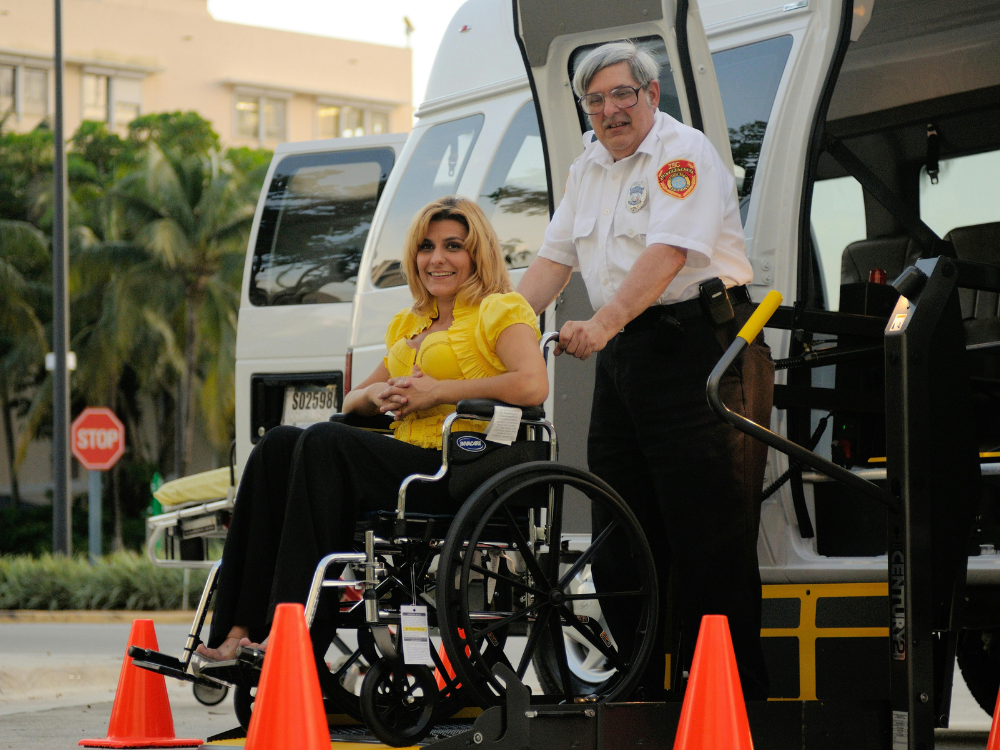
The lift or ramp is often the most heavily used accessibility feature on the vehicle. Like any mechanical system, it experiences wear over time and benefits from regular inspection.
Small issues can start with unusual noises, slower operation, or components that don’t move as smoothly as they once did. While these symptoms may seem minor, they can signal the beginning of a larger problem.
Routine inspections help identify wear before it leads to a failure. Catching a loose connection, worn part, or hydraulic issue early is usually far less expensive than dealing with a complete breakdown.
The Vehicle Itself Still Needs Care
It’s easy to focus on accessibility equipment and forget that the van is still a vehicle with all the usual maintenance requirements. Tires, brakes, batteries, fluids, and suspension components all require attention.
In some cases, accessible vans may place additional demands on certain vehicle systems because of their weight and specialized equipment. That makes routine service especially important.
A reliable lift won’t help much if the van itself is unable to get where it needs to go. Both the accessibility components and the vehicle need to be maintained together.
Small Problems Rarely Stay Small
One of the most common mistakes vehicle owners make is putting off repairs because the issue doesn’t seem urgent. Unfortunately, minor problems often become major expenses when ignored long enough.
A worn lift component may place extra stress on other parts. A small hydraulic leak can eventually affect overall system performance. What begins as a simple repair can grow into a much larger project.
Addressing concerns early is usually the most cost-effective approach. It also helps reduce the risk of finding out about a problem at the worst possible time.
Consistency Makes Maintenance Easier
The best maintenance plans are usually the simplest ones. Following a consistent schedule makes it easier to stay ahead of wear and avoid surprises.
Many owners find it helpful to combine accessibility equipment inspections with routine vehicle service appointments. That way, both systems receive regular attention without requiring separate maintenance schedules.
Keeping records can also be valuable. Tracking repairs, inspections, and service dates makes it easier to spot recurring issues and plan for future maintenance needs.
Reliability Starts With Prevention
Wheelchair accessible vans play an important role in helping people maintain independence and mobility. When everything works properly, it’s easy to take that reliability for granted.
The challenge is that many costly repairs begin as small issues that seem insignificant at first. Routine inspections and timely maintenance help prevent those problems from escalating.
A proactive approach may not be the most exciting part of vehicle ownership, but it often proves to be the most valuable. Staying ahead of maintenance helps protect the investment, reduce unexpected expenses, and ensure the vehicle remains dependable for years to come.

Build It, Share It, Watch It Grow https://memefast.pages.dev