You’re standing in the appliance aisle or scrolling through product pages late at night, and everything starts to blur together. There are so many styles, refrigerator features, and models—all claiming to be the best. Should you choose a French door refrigerator or a freezer drawer model? Counter-depth or standard size? Each option looks appealing until you factor in your kitchen layout, eating habits, and budget.
Make the wrong choice, and you’ll notice it every time you open the door for years to come. The good news is that once you understand which refrigerator features actually matter, the decision becomes much simpler.
When buying a refrigerator, here are five key factors to consider.
1. Refrigerator Style and Configuration
The look of your refrigerator can make or break your kitchen and make it easier to get to your food. Selecting the best refrigerators on the market entails knowledge about the different types and their functions.
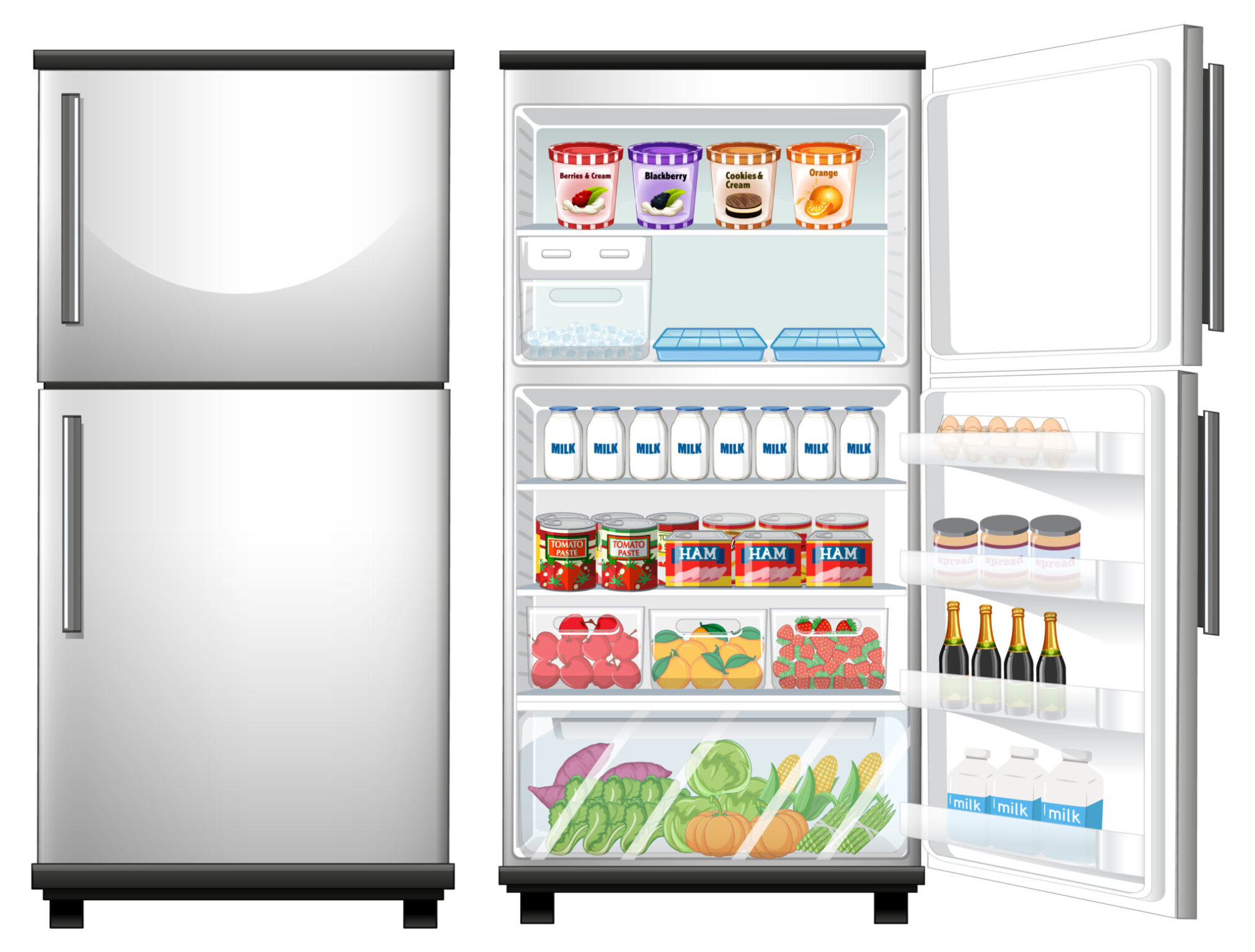
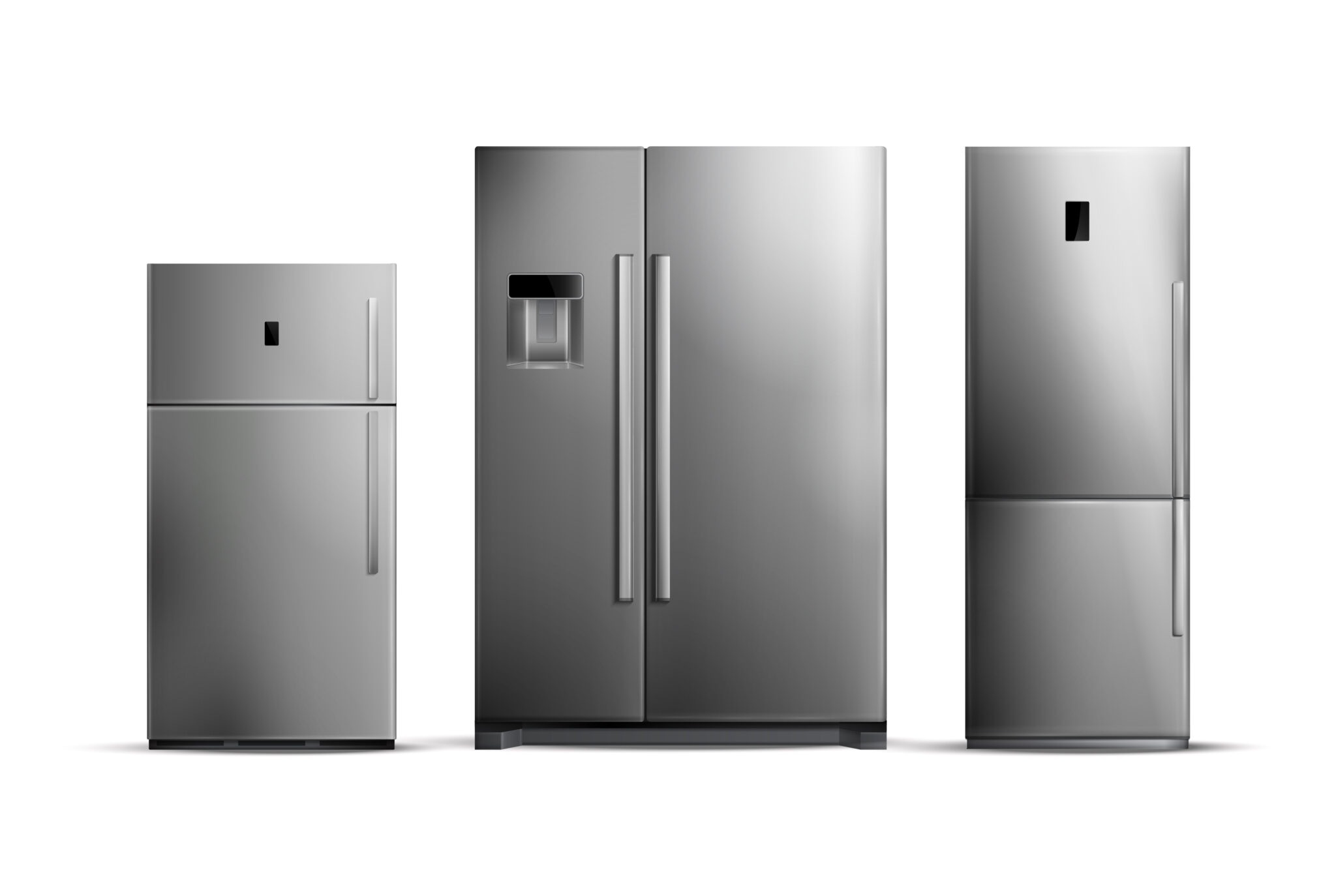
French door refrigerator units are among the most sought-after refrigerator styles for good reason. They have broad eye-level shelving, which provides easy visibility and accessibility to all items. The freezer is below, and it is fine for a family that uses fresh food more often than frozen.
Side-by-side refrigerator/freezer units divide the refrigerator and freezer into sections, allowing you to use both without bending. This is a good style to choose for narrow kitchens, as each door swings only halfway.
The bottom freezer refrigerator allows you to store fresh food at eye level, and stores the freezer below. This is one of the most ergonomic setups out there for people who don’t often dig through frozen foods. The top freezer models, however, remain a convenient and affordable option — modest and efficient.
2. Size, Capacity, and Counter Depth
One of the most frequent (and avoidable) refrigeration purchase mistakes is having the wrong size refrigerator. Before you fall for any particular model, make sure to carefully measure the refrigerator space. This includes the width of the opening, the height (including any cabinets above that), and the distance from the wall to the opening of your countertops.
While this is fine for functional reasons, standard refrigerators usually extend beyond the countertop edge, which can disrupt the kitchen’s flow line. Another benefit of counter-depth models is that they’re designed to sit flush with cabinetry, giving a more built-in look. In return, they give up a certain amount of storage, but in some kitchens, it’s a sacrifice that can be worthwhile.
Capacity is in cu.ft and should correspond to the number of people in your home. A rule of thumb is that 4-6 cubic feet per person is appropriate. But if you cook in bulk, make meals often, or buy food only occasionally, then you might consider purchasing larger sizes, even if your family is small.
3. Cooling Technology and Food Preservation
All refrigerators work with different cooling methods. Inside technology will affect the evenness of temperature holding, the freshness of the produce, and the amount of frost accumulation over time. These are not evident in product images but can be the difference in day-to-day use.
Consider models with multiple-zone cooling, so each compartment has its own temperature control. This is particularly important when storing products that have different preservation requirements, such as fresh produce, dairy products, and deli meats.
Another feature to consider is the humidity-controlled crisper drawers. These drawers control airflow to prolong wilting and maintain the freshness of leafy greens and fruits for an extended period. If they are not present, the produce is likely to degrade more rapidly than it is supposed to.
Most modern units feature frost-free technology, so there’s no need for manual defrosting. Also, some higher-quality models use a linear or inverter compressor that adjusts its cooling capacity in response to demand, resulting in minimal temperature swings and quieter operation than standard compressors.
4. Smart Features and Connectivity
Smart refrigerators are much more than a novelty. In today’s world, connectivity options can truly enhance how you handle food, track your appliances, and make your kitchen life easier. It is important to know what is available and whether it is essential to your lifestyle.
There are Wi-Fi-connected fridges that can be controlled via a mobile app, letting you check the fridge temperature remotely. It can be helpful when you’re on the road a lot or if you want a warning when a door is open. Some models even log diagnostics to service centers, enabling maintenance to be performed faster and more disruptively.
Another staple feature that more and more manufacturers are adding is the internal camera. They help you know what to buy at the grocery store because you can see what is available in the refrigerator. Over time, it’s a great way of avoiding unnecessary purchases, which sounds like a great idea, right?
5. Energy Efficiency and Long-Term Value

The refrigerator runs continuously, 7 days a week, which adds up to significant energy use over time. An energy-efficient model isn’t only the right thing to purchase; it’s the smart way of life! A higher initial price can be more than offset by your savings on your electric bill over 10 years.
When shopping around, check for the ENERGY STAR rating. ENERGY STAR refrigerators are designed to be efficient as set by the U.S. Environmental Protection Agency; they generally use 15 percent to 20 percent less energy than other refrigerators of the same size.
In addition to certification, it is important to consider the type of compressor. Inverter compressors vary their speed according to cooling demand, rather than cycling on and off like a standard compressor. This will not only save energy but also extend the appliance’s lifespan and reduce kitchen noise.
Final Thoughts
Purchasing a refrigerator is a long-term investment. It will depend on your kitchen layout, the number of people you have, your shopping habits, and which refrigerator features will actually make your life easier. The style and configuration lay the groundwork. Size assessments ensure a proper fit. Performance is determined by cooling technology. Smart features provide added convenience for those who wish it. Energy efficiency helps to preserve your investment over the years.
Before you purchase, consider each of these points. A refrigerator that ticks all the right boxes will last you a long time, quietly and efficiently, without compromise.
