For a lot of women, life after 40 can be somewhat shocking. After one month, normal sleep, mood, skin, weight and periods begin to act differently. This stage corresponds to the transition in estrogen and progesterone levels.
HRT for Women may be beneficial when symptoms interfere with work, family life, sex, sleep and comfort in the day. Doctors typically don’t consider it a band-aid solution.
Their first concern is age, symptoms, uterine status, medical history, and personal risk. When managed carefully, the right plan can look like a steady, safe, and very personal plan.
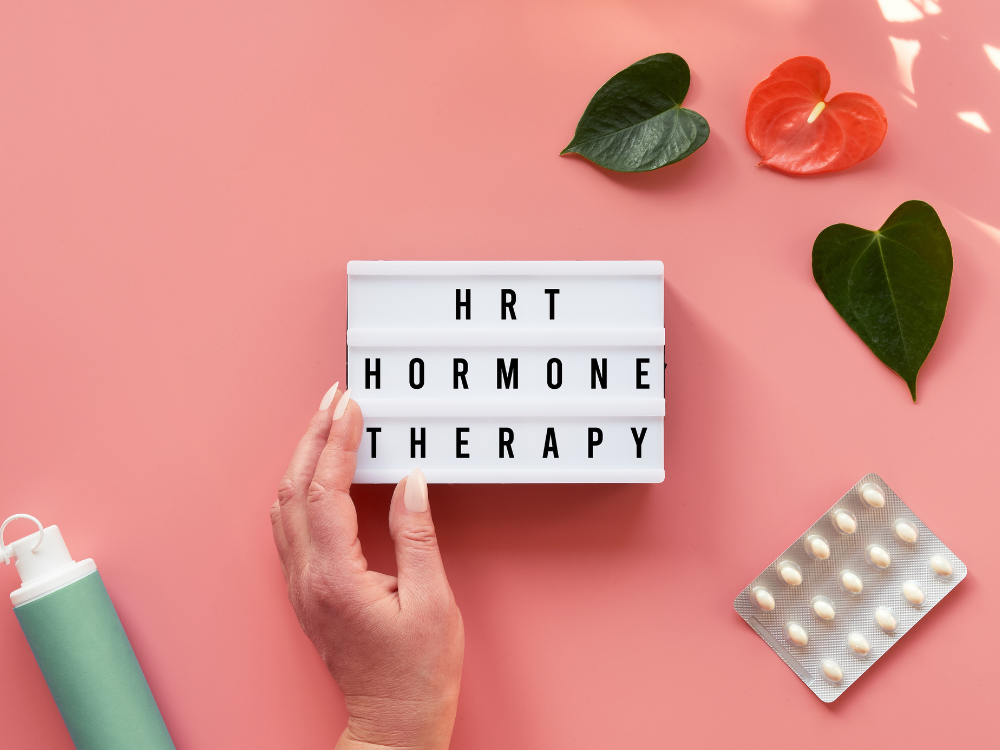
What hormonal problems do women go through after 40?
Even if periods are regular, many women go through perimenopause after age 40. The levels of estrogen can fluctuate irregularly. Heavy periods, sore breasts, poor sleep and cranky moods can often be the first sign of a drop in progesterone.
Later, lower estrogen can lead to hot flushes, night sweats, vaginal dryness, joint aches, brain fog and weaker bones. Other women also experience weight gain around the belly, dry skin, decreased libido and increased bladder leaks.
But not all women feel the same. Doctors pay attention as symptoms may mimic stress, thyroid problems or depression.
How is hormone replacement therapy (HRT) administered?
HRT may be used as tablets, gel, cream, ring, injection or pellet, depending on the symptoms, the need for safety and the doctor’s recommendations.
Hormonal Tablets
Hormonal tablets are swallowed, usually one a day. It may contain only estrogen or estrogen and a form of progesterone. Progesterone is typically prescribed in the presence of a woman’s uterus. This will help to prevent damage to the lining of the uterus.
Tablets are easy to recall and simple. They may not be appropriate, however, for women who are at risk for bleeding or liver disease.
Creams or gels
Creams and gels are rubbed on the skin or placed in the vagina. Skin gels send estrogen into the bloodstream without first passing through the stomach. Vaginal creams mainly help with dryness, burning, and painful sex. They use smaller doses for local comfort.
Also, they can help with bladder irritation for some women. Doctors explain the exact use, because dosing matters.
Vaginal rings
Vaginal rings are soft, flexible rings placed inside the vagina. Some release low-dose estrogen right where dryness and soreness happen. Others may provide stronger hormone support. The ring stays in place for weeks, so daily pills are not needed.
Many women like the low-maintenance feel. However, placement and removal should be explained during a visit.
Injections
Hormone injections are given into the muscle or under the skin. Some clinics offer them for women with clear hormone needs. The dose may last days or weeks, depending on the plan.
Doctors are careful here because hormone levels can swing. This can cause side effects. In the U.S., many providers prefer approved options with steady dosing first.
Pellets under the skin
Pellets are tiny hormone pieces placed under the skin, often near the hip. They release hormones slowly over several months. Some women like the fact that they don’t need to undergo daily treatment.
However, pellets can be harder to adjust once placed. Doctors may be cautious, especially with custom mixes. A careful review is important before choosing this route.
Why is HRT most recommended for women after 40?
The use of HRT after 40 is commonly suggested because the diminished estrogen levels can lead to hot flushes, sleep disturbances, mood swings, vaginal dryness and bone loss.
Restores Emotional Balance and Eases Mood Swings
After 40, mood swings may be abrupt and unjust. A woman may weep over trivialities, yell at family members and feel bad about that afterward.
With reduced estrogen, the brain chemicals associated with calm, joy and drive can also be affected. If hormones are the primary source, those fluctuations can be stabilized with HRT.
Sleep, stress, thyroid and previous anxiety are also examined. Hormones are only a part of the answer. However, hormonal changes in mood can be caused by hot flashes and sleep disturbances and HRT can help bring a sense of relief.
Sharpens Focus and Protects Cognitive Function
Brain fog is one of those symptoms people joke about. However, it can be extremely irritating for women over 40. Names are forgotten, simple tasks are delayed, and work meetings are more difficult than ever. Estrogen supports many parts of the brain to function properly, such as memory and attention.
For some women, HRT can help clear the brain fog, particularly if it is experienced along with hot flashes and trouble sleeping. But it is not used as a brain stimulator.
Physicians don’t offer guarantees. Additionally, they consider iron, B12 levels, thyroid levels, medications, and stress before attributing the cause solely to hormones.
Improves Sleep Quality and Reduces Night Wakings
Sleeping badly can ruin the entire day. Over 40, many women get up to find that they are wet, hot, cold, or restless, or wide awake at 3 a.m. This is typically associated with hot flashes and night sweats. Those temperature fluctuations can be decreased with HRT, and sleep may be deeper and more restful.
Better sleep will improve patience, hunger, memory and energy. Other prescriptions from doctors could include cooler rooms, fewer drinks of alcohol, consistent bedtime routines and sleep apnea testing. But when hormones are continually disturbing the body, HRT may be the go-to.
Supports Skin Elasticity and Bone Strength
Estrogen is important for maintaining collagen, skin moisture and bone strength. A drop in levels could result in the skin becoming thinner, drier, and less elastic. The bones also become less dense after menopause, increasing the risk of fractures over time.
HRT can help to protect bones if begun at the appropriate time and in the appropriate woman. This isn’t merely about looking younger. It’s about being strong enough to walk, lift, travel, and live freely.
Calcium, vitamin D, strength training and bone scans are additional options that a doctor might suggest. They also review family history prior to creating a long-term plan.
Promotes Cardiovascular Health at the Right Time
After 40, it’s time to take heart health seriously. Estrogen is important for maintaining the flexibility of blood vessels, and a decrease in estrogen levels can cause changes in cholesterol and body fat levels. HRT is not only prescribed to prevent heart disease.
Women who start near menopause may have a better risk profile than women starting much later. Providers often look at blood pressure, cholesterol, weight, smoking, diabetes, migraines, and clot history.
However, HRT may not be suitable for women who have had a heart attack, stroke or blood clot. The best approach is a thoughtful, individualized and consistent one.
Conclusion
After 40, your body can change in quiet, confusing ways. HRT may help you feel steadier when symptoms affect daily life. In the U.S., doctors usually match treatment to your health history.
