Truck accidents are among the most devastating events on any road. The sheer size and weight of commercial trucks mean that when something goes wrong, the consequences are often catastrophic. Victims may face life-altering injuries, expensive medical bills, and a long road to recovery.
Understanding why these accidents happen and knowing what to do right after one occurs can make a significant difference in your health, safety, and legal standing. Whether you were in the truck, a passenger vehicle, or simply a bystander affected by the crash, this guide is for you.
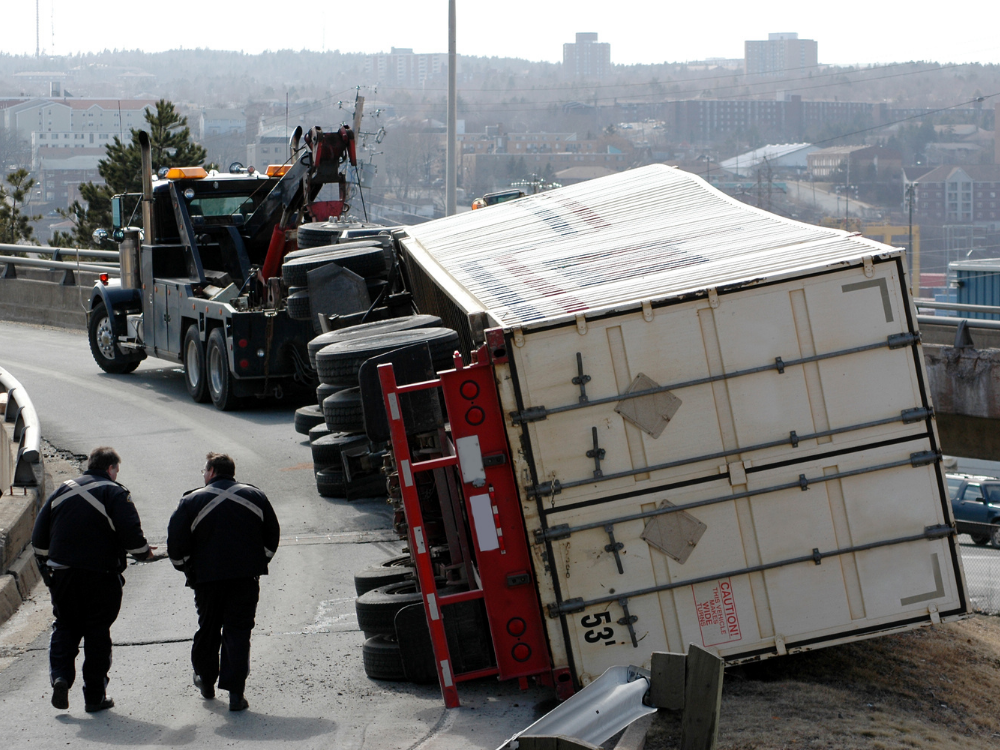
Why Truck Accidents Happen
Truck accidents rarely happen for just one reason. In most cases, a combination of factors builds up until something goes wrong. Here is a closer look at the most common causes.
Driver Fatigue
Truck drivers often work long hours to meet tight delivery deadlines. Despite federal regulations that limit how many hours a driver can be on the road, many push past those limits. Fatigue slows reaction time and affects judgment just as much as alcohol does.
Distracted Driving
Eating, texting, adjusting GPS systems, or even reaching for a drink can pull a driver’s attention away from the road. At highway speeds, even a few seconds of distraction can result in a deadly collision. Distraction is one of the leading causes of all motor vehicle accidents, and trucks are no exception.
Poor Vehicle Maintenance
Commercial trucks travel thousands of miles every week. Without consistent maintenance, brakes can fail, tires can blow out, and steering systems can become unreliable. Trucking companies that cut corners on maintenance put every driver on the road at risk.
Overloaded or Improperly Loaded Cargo
When a truck carries more weight than it is designed to handle, or when the cargo is not secured properly, the results can be dangerous. Shifts in cargo weight can cause the driver to lose control, and overloading increases stopping distances significantly.
Speeding and Aggressive Driving
Pressure to deliver on time often pushes drivers to speed. Trucks traveling at high speeds have much longer stopping distances than regular vehicles. Aggressive driving behaviors like tailgating or unsafe lane changes increase the risk of a serious crash.
Bad Weather Conditions
Rain, fog, ice, and strong winds make driving a large commercial truck even more challenging. Poor visibility and slippery roads require slower speeds and extra caution. Drivers who fail to adjust to weather conditions put themselves and others in serious danger.
Inexperienced Drivers
Operating a large commercial truck requires specific training and skills. When companies rush the hiring process or fail to provide proper training, less experienced drivers end up behind the wheel of vehicles they are not fully prepared to handle.
Mechanical Defects
Sometimes the problem is not the driver at all. A defective part, such as a faulty braking system or a tire with a manufacturing flaw, can cause an accident even when the driver is doing everything right. In these cases, the manufacturer or supplier may share responsibility.
Steps to Take Immediately After a Truck Accident
1. Check for Injuries and Call 911
Your first priority is safety. Check yourself and others involved for injuries and call 911 right away. Even if the injuries seem minor, emergency responders need to assess the situation. Some injuries, like internal bleeding or concussions, are not always immediately visible.
2. Move to Safety if Possible
If the vehicles are blocking traffic and it is safe to move, get yourself and others out of the roadway. Turn on hazard lights and use road flares or warning triangles if available. Staying in an active traffic lane after a crash increases the risk of a secondary accident.
3. Do Not Admit Fault
“In the stress and confusion following a crash, it is natural to want to apologize or explain what happened. Avoid doing this,” say Morris Injury Law, a Las Vegas 18-wheeler accident lawyer.
Admitting fault, even casually, can be used against you during insurance claims or legal proceedings. Stick to factual statements when speaking with others at the scene.
4. Gather Information at the Scene
Information to Collect at the Scene:
- The truck driver’s full name, contact details, and license number
- The trucking company’s name and contact information
- The truck’s license plate number and the vehicle identification number
- Insurance details from the driver and the company
- Names and contact information of any witnesses
- Photos of all vehicles involved, road conditions, skid marks, and visible injuries
- Badge numbers and names of responding police officers
5. File a Police Report
Make sure law enforcement responds and files an official report. If officers do not come to the scene, visit your local police station and file the report yourself. This document is critical for insurance claims and any future legal action you may take.
6. Seek Medical Attention Right Away
Even if you feel fine, visit a doctor as soon as possible after the accident. Adrenaline can mask pain and symptoms in the hours following a crash. A medical professional will document your condition, which creates an important record linking your injuries to the accident.
7. Notify Your Insurance Company
Report the accident to your insurance provider as soon as possible. Give them the basic facts without speculating about fault or details you are unsure of. Prompt reporting protects your coverage and starts the claims process.
8. Contact a Truck Accident Attorney
Truck accident cases are more complex than typical car crashes. Multiple parties can be held liable, including the driver, the trucking company, cargo loaders, and even vehicle manufacturers. An experienced attorney can help you understand your rights and pursue compensation for medical bills, lost wages, and pain and suffering.
Final Thoughts
Truck accidents can turn your life upside down in an instant. The aftermath is often overwhelming, especially when you are dealing with injuries, vehicle damage, and insurance companies all at once. Knowing the common causes can help raise your awareness on the road, and knowing the right steps to take afterward can protect both your health and your legal rights.
Act quickly, document everything, and do not navigate the process alone. The right support, both medically and legally, can make all the difference in your recovery and your case.
