Winter weather can sneak up on homeowners faster than expected. One week, the temperatures feel manageable, and the next, you are dealing with freezing mornings, icy sidewalks, and heavy snow. In places like Pittsburgh, winter storms can put a lot of pressure on a home, especially if small maintenance problems have already been ignored throughout the year.
The good news is that preparing your home for winter weather does not have to be difficult or expensive. A few smart steps before the cold fully sets in can help you stay comfortable, avoid major repairs, and protect your property during harsh weather conditions. From checking your roof to sealing drafts and protecting your plumbing, winter weather preparation is really about staying ahead of problems before they become stressful.
Check Your Roof Before Winter Arrives
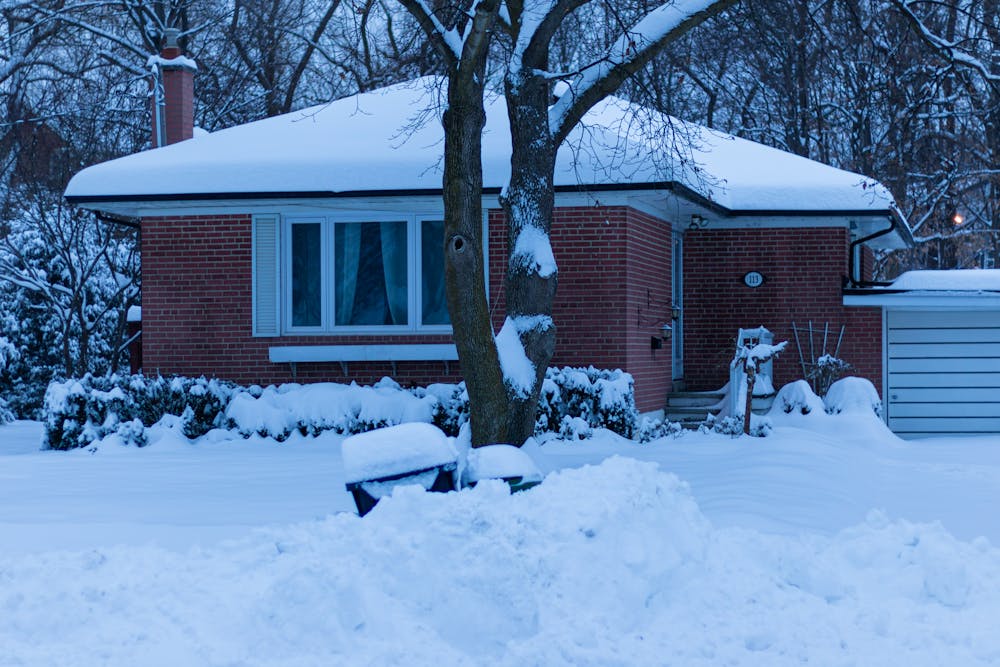
Your roof handles some of the toughest conditions during winter. Snow accumulation, freezing rain, ice buildup, and strong winds can all cause damage if your roof is already showing signs of wear. Even a small issue that seems harmless during warmer months can turn into a serious leak once snow and ice settle in.
That is why it is important to inspect your roof before temperatures begin to drop. Look for loose shingles, damaged flashing, sagging areas, or signs of moisture in the attic. These warning signs often point to bigger issues that may worsen during winter storms.
Homeowners with an aging roof are better off getting ahead of the problem before winter arrives. Harsh conditions can quickly turn minor wear into costly damage, and scheduling a roof replacement in Pittsburgh earlier in the season is almost always less expensive than dealing with emergency repairs later.
Clean Gutters and Downspouts
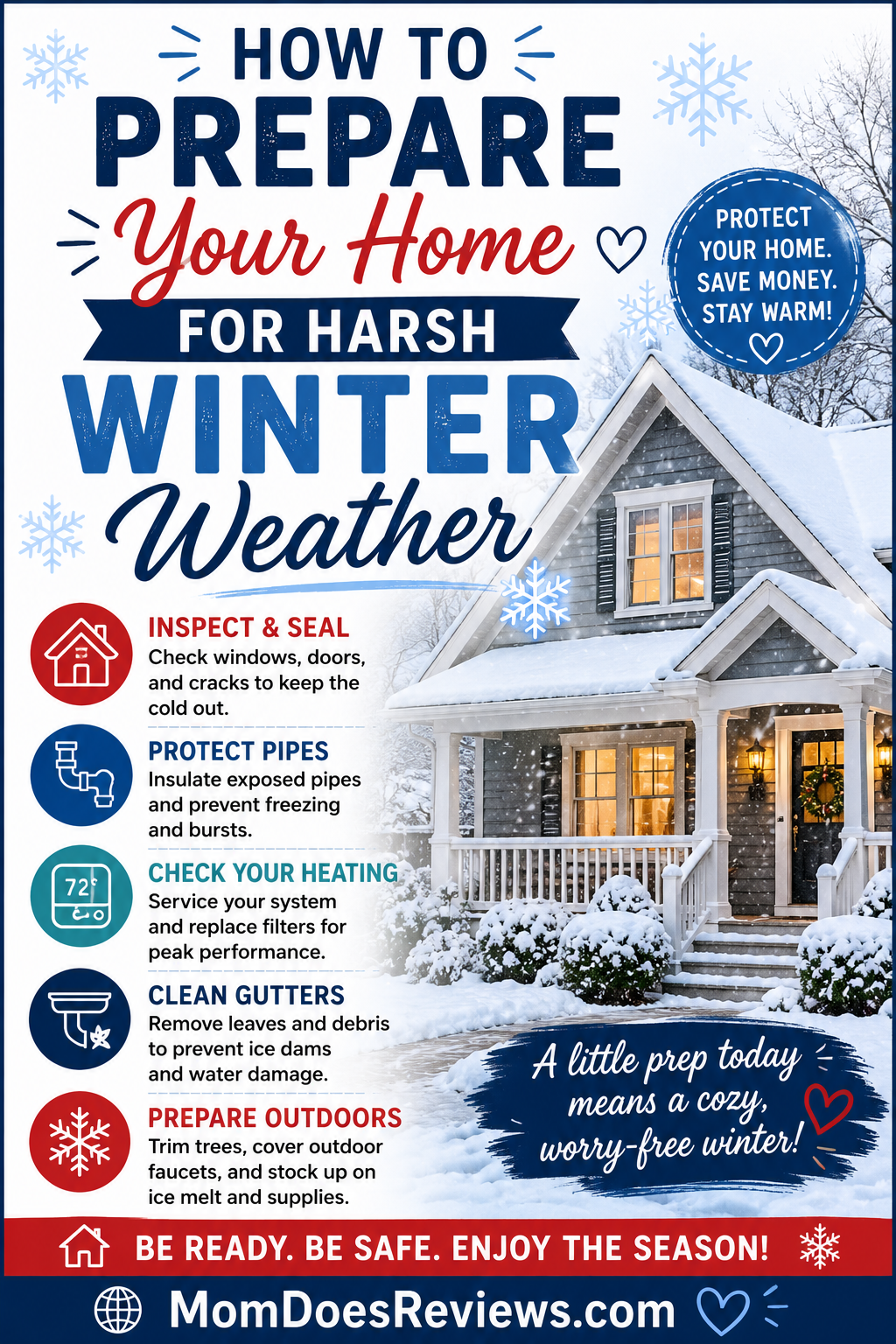
Gutters play a major role in protecting your home during winter. When gutters are clogged with leaves and debris, water cannot drain properly. As temperatures drop, standing water freezes and creates ice dams that block proper drainage.
Ice dams can force water underneath shingles and eventually lead to leaks inside your home. Water damage from clogged gutters often affects ceilings, walls, insulation, and even the foundation.
Cleaning gutters before winter helps water move away from the home properly. Make sure downspouts are securely attached and directing water several feet away from the foundation. It is also smart to check for cracks or sagging sections that may struggle during heavy snow or ice buildup.
Seal Drafts Around Windows and Doors
Cold drafts can make your home feel uncomfortable even when the heat is running constantly. Small gaps around windows and doors allow cold air to enter and warm air to escape, which increases energy bills throughout winter.
Fortunately, sealing drafts is one of the simplest and most affordable winter preparation tasks. Weather stripping around doors and caulking around window frames can make a noticeable difference in indoor comfort.
You can also use heavier curtains during the winter months to help hold heat inside the home. Door draft stoppers work well for blocking cold air near entryways. These small upgrades help reduce strain on your heating system while making your living spaces feel warmer and more comfortable.
Inspect Your Heating System
A heating system works hardest during winter, which is why maintenance matters before temperatures fall too low. The last thing anyone wants is a broken furnace during a snowstorm or freezing night.
Scheduling a professional heating inspection before winter arrives helps identify problems early. A technician can clean important components, test the thermostat, inspect airflow, and make sure everything is working safely and efficiently.
Homeowners should also replace air filters regularly during winter. Dirty filters reduce airflow and force heating systems to work harder than necessary. Keeping vents clean and clear also helps heat move evenly throughout the home.
Trim Trees and Weak Branches
Winter storms can place a lot of weight on tree branches. Ice and heavy snow often cause weak limbs to snap unexpectedly. Falling branches can damage roofs, vehicles, fences, and power lines.
Before winter weather arrives, inspect trees around your property for dead or damaged branches. Trimming back limbs that hang close to the house helps reduce the chance of storm damage.
Tree maintenance also improves safety around walkways and driveways. It is also one of those small steps that quietly contribute to how well-kept and functional a home looks and feels from the outside. A little preventative work before winter can help avoid emergency cleanup later.
Protect Pipes From Freezing
Frozen pipes are one of the most common winter home problems. When water freezes inside pipes, pressure builds and may eventually cause pipes to burst. A burst pipe can lead to major water damage and expensive repairs.
Pipes located in unheated spaces are especially vulnerable during cold weather. This includes basements, crawl spaces, garages, and exterior walls.
Insulating exposed pipes can help reduce the risk of freezing. Homeowners should also disconnect outdoor hoses before winter begins. During extremely cold nights, allowing faucets to drip slightly may help keep water moving through the pipes.
Check Insulation Throughout the Home
Good insulation helps your home stay warm and energy efficient during winter. Poor insulation allows heat to escape quickly, making rooms feel colder and increasing heating costs.
Attics are one of the most important areas to inspect because heat naturally rises. If attic insulation is too thin or uneven, your heating system may struggle to maintain comfortable temperatures.
Basements and crawl spaces should also be checked for insulation problems. Improving insulation helps create a more comfortable indoor environment while lowering energy usage throughout winter.
Preparing your home for harsh winter weather does not need to feel overwhelming. Taking care of small maintenance tasks before winter arrives can prevent expensive repairs, improve comfort, and reduce stress during storms.
Whether you are checking your roof, protecting pipes, or sealing drafts, each step helps your home handle winter conditions more effectively. Starting early gives you more time to address problems before freezing temperatures, and snow makes repairs more difficult. A well-prepared home stays safer, warmer, and more comfortable throughout the entire winter season.
