Aging in place remains a significant goal for many, with the comfort of familiar surroundings and the desire to maintain independence driving the decision. Achieving this, however, requires thoughtful measures to enhance safety and well-being. One crucial step is considering the medical alert cost when exploring options to support independent living.
By preparing your home and leveraging available resources and technologies, you can create an environment that supports autonomy while ensuring peace of mind for yourself and your loved ones. Discover how community support, practical modifications, and regular planning can all contribute to a healthier and happier life at home.
Home Modifications for Safety
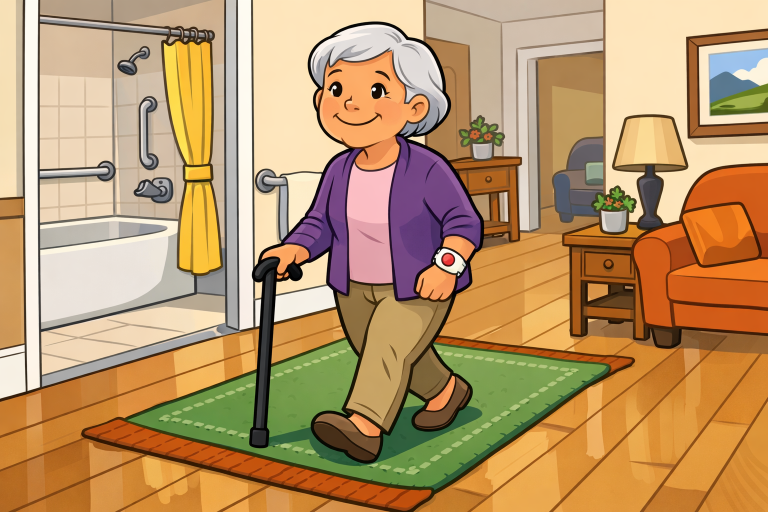
Making adjustments to your living space is one of the most effective ways to prevent accidents and support sustained independence. Simple steps, such as installing grab bars in bathrooms, can drastically reduce the risk of falls. Make sure every area is well-lit so you do not trip on obstacles or miss steps. Rugs can pose serious slipping hazards if not secured; removing or anchoring them is a quick yet valuable fix. Additionally, arrange furniture to provide wide, unobstructed pathways, which make it easier to get around and reduce the risk of injury.
Investing in these modifications also means creating a more comfortable environment, allowing you to move confidently throughout your home as needs change. According to the National Institute on Aging, regular home safety checks and modifications can greatly reduce the likelihood of falls and hospital visits during your senior years.
Utilizing Community Resources
For those who wish to age in place, community resources provide essential support that helps overcome daily hurdles. Transportation programs can facilitate trips to the grocery store or medical appointments, even if driving is no longer safe or desirable. Meal delivery services ensure access to balanced nutrition, making mealtime easier. Local organizations may also offer help with housekeeping and yard work, which can otherwise become overwhelming.
Engaging with these resources can relieve stress and encourage greater independence, freeing up time and energy to focus on things you enjoy. Many localities also list reputable service providers through senior service directories or support centers, making it easier to find assistance close to home.
Embracing Technology
Technology can serve as an invaluable ally in your plan for aging in place. Medical alert systems, for example, ensure help is never far away, providing both safety and reassurance for family members. Smart home devices can automate essential tasks, such as adjusting lighting or controlling heating and air conditioning, with voice commands or a tap of a button.
Telehealth has also emerged as a powerful support for seniors, enabling them to consult doctors virtually and manage medications remotely. The convenience and security that these technological advances provide are undeniable, notably when addressing medical concerns or emergencies. For more on how seniors are using technology to improve daily life, visit AARP’s technology trends report.
Maintaining Social Connections
Staying connected with others plays a pivotal role in mental and emotional health. Loneliness and isolation can quickly affect well-being, but joining local clubs or interest groups or volunteering can help bridge that gap. Community centers often host activities tailored to seniors, ranging from hobby groups to exercise classes.
Technology also helps maintain social ties, as video calls and social media platforms make it easy to check in with family or old friends. Even small efforts to remain involved in your local community or online networks can prevent isolation and strengthen your support system.
Regular Health Assessments
Ongoing health check-ups with healthcare professionals are crucial to identifying and treating any emerging issues before they become serious. Routine doctor visits will help track changes in your health and guide your plans for continued independence. Discuss any concerns about mobility, vision, or daily functioning with your provider, and consider requesting appropriate referrals for physical therapy or wellness counseling if needed.
Financial Planning
Securing your financial future is another cornerstone of successful aging in place. Assess your current budget, accounting for potential expenses such as medical care, home modifications, and daily assistance. Meeting with a financial adviser can help map out ways to ensure that you do not run short on essentials or face unexpected financial difficulties.
Proactive planning is especially important for those with complex health needs, as these can drive up monthly spending. Take advantage of free planning resources from reputable organizations, such as the Consumer Financial Protection Bureau, which offers practical advice on retirement and savings.

Emergency Preparedness
Emergency preparation should not be overlooked when considering aging in place. Keep a list of important phone numbers easily accessible, and ensure your home is stocked with items such as prescribed medications, non-perishable foods, water, and first-aid supplies. Establish a reliable way to communicate with loved ones or emergency services during power outages or disasters, and update your plan regularly as needs change.
These steps assure you and your support network that, in the event of a crisis, critical information and supplies will be readily available.
Planning for the future by addressing safety, health, social, and financial needs from the start empowers you to maintain your independence and enjoy the lifestyle you value for years to come.
