Financial Planning for Home Maintenance and Repair
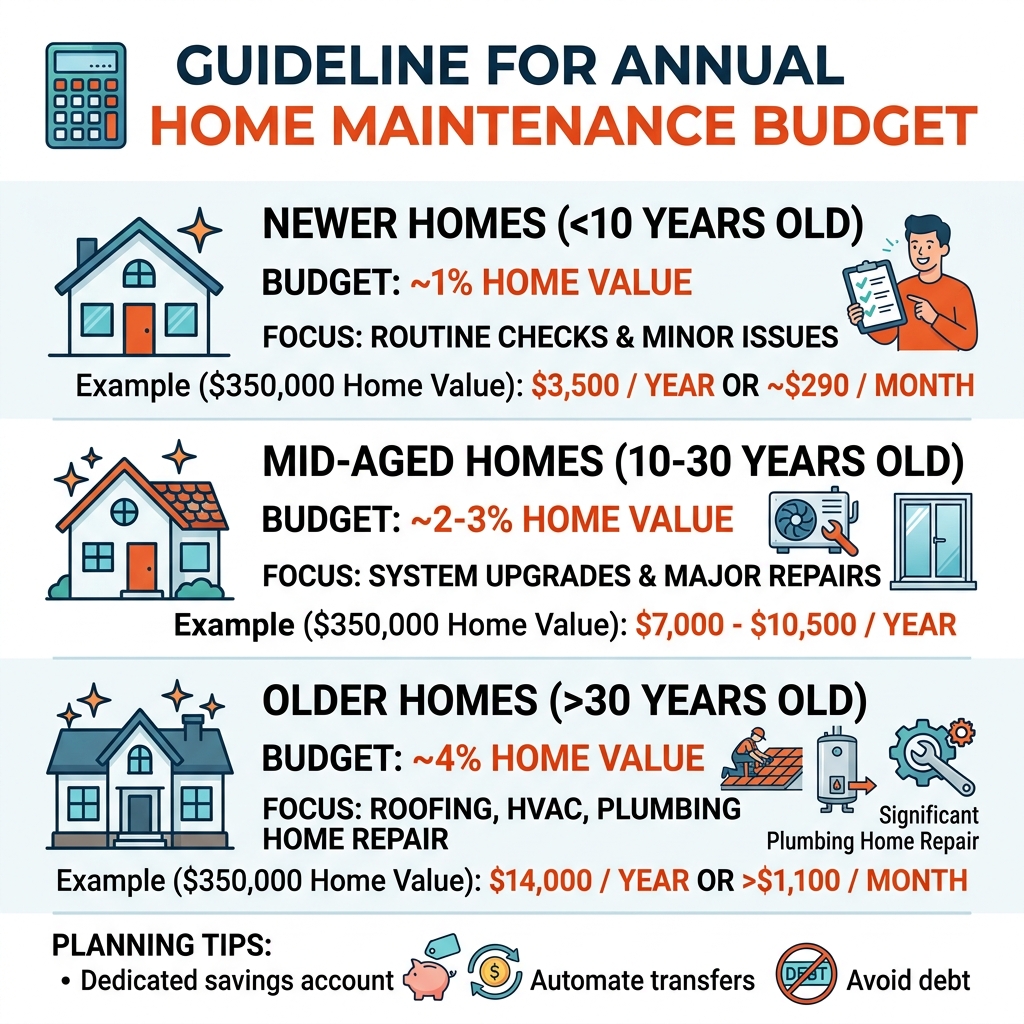
Effective home maintenance begins with sound financial planning. Many homeowners are surprised by the unexpected costs that can arise, but with a strategic approach, we can mitigate these financial shocks. A common guideline suggests budgeting between 1% and 4% of your home’s value annually for maintenance and repairs. This percentage isn’t arbitrary; it adjusts wisely based on your home’s age, a significant factor in its upkeep needs.
For newer homes, typically less than 10 years old, budgeting around 1% of the home’s value is often sufficient. This covers routine checks and minor issues. For instance, if your home is valued at $350,000, setting aside $3,500 per year, or about $290 per month, would be a prudent starting point. However, as homes age, their systems and structures naturally require more attention. Homes over 10 years old might require a budget of 2-3%, while properties over 30 years old could require up to 4% of their value annually. This higher percentage accounts for potential major replacements, such as roofing, HVAC systems, or significant Plumbing home repair needs. For that same $350,000 home, an older property might require $14,000 annually, or over $1,100 per month, to stay in top condition.
This proactive budgeting helps us avoid going into debt when major repairs inevitably arise. It allows us to plan for replacements and address issues before they escalate, protecting our most significant asset.

Strategies for Managing Maintenance Funds
Creating a dedicated savings fund specifically for home maintenance and repairs is a cornerstone of effective financial planning. We recommend establishing a separate, easily accessible account, perhaps nicknamed “Home Upkeep” or “Repair Reserve,” to keep these funds distinct from your general emergency savings. This separation ensures that your maintenance budget isn’t inadvertently used for other emergencies and vice versa.
Automating monthly transfers into this fund, in line with the 1-4% guideline, is an excellent way to build savings effortlessly. Even redirecting small daily expenses, such as a daily coffee purchase, or allocating a portion of tax refunds, can significantly accelerate the growth of this fund.
Among the preventive measures worth logging in that spending tracker is dryer vent cleaning, a small recurring expense that protects against a far costlier lint fire and against the reduced efficiency that shortens an appliance’s lifespan. We suggest scheduling it annually and noting the cost alongside other seasonal tasks, since bundling it with reminders like HVAC filter changes keeps it from slipping off the calendar entirely.
It’s also beneficial to track actual maintenance spending. This practice helps us refine our annual savings goals, ensuring they align with our home’s specific needs and any unexpected costs that may arise. While a cash reserve is vital for immediate, unexpected repairs, consistent saving stabilizes our budget. It allows for planned upgrades and preventive measures, safeguarding our property’s value and ensuring long-term financial stability.
Essential Monthly and Seasonal Checklists

Proactive maintenance isn’t just about budgeting; it’s about consistent action. By following a structured schedule of monthly and seasonal tasks, we can prevent minor issues from escalating into costly repairs, optimize our homes’ efficiency, and enhance their safety. Regular checks and preventive measures are key to maintaining both the comfort and the structural integrity of our homes. This includes everything from ensuring our Home window repair and maintenance is up to date, to cleaning gutters and inspecting roofs.
Monthly Home Maintenance and Repair Tasks
A few simple tasks performed regularly can make a significant difference in preventing major headaches:
- HVAC Filters: Change air filters monthly, especially during peak heating and cooling seasons, or if you have pets. This improves air quality and HVAC efficiency.
- Smoke and Carbon Monoxide Detectors: Test these vital safety devices monthly by pressing the test button. Replace batteries annually and the entire unit every 10 years.
- GFCI Outlets: Test Ground Fault Circuit Interrupter (GFCI) outlets monthly by pressing the “test” and “reset” buttons to ensure they trip correctly and protect against electrical shock.
- Garbage Disposal: Run cold water and grind ice cubes or citrus peels to clean blades and reduce odors.
- Range Hood Filter: Clean or replace the filter in your kitchen range hood to maintain air quality and prevent grease buildup.
- Fire Extinguishers: Check the pressure gauge monthly to ensure they are fully charged and ready for use.
- Drains: Pour a cup of vinegar followed by hot water down drains monthly to help prevent clogs and keep them fresh. For more persistent issues or if you suspect a deeper problem, consulting with Residential Plumbing professionals can prevent major blockages.
Seasonal Priorities: Spring through Winter
Our homes face different challenges with each passing season, requiring tailored maintenance efforts:
- Spring: As the weather warms, focus on exterior recovery and preparation.
- Gutter Cleaning: Clear out leaves and debris that accumulated over winter to ensure proper drainage and prevent water damage to your foundation. Make sure a qualified professional, like MN Roofing, carries this out for you.
- Roof Inspection: Visually inspect your roof for damaged or missing shingles, especially after winter storms. Check flashing around chimneys and vents.
- AC Service: Schedule professional maintenance for your air conditioner to ensure it runs efficiently before summer heat arrives.
- Window Screens: Clean and repair window screens, preparing them for open-window weather.
- Tree Trimming: Trim branches that are too close to your house or power lines to prevent damage during summer storms.
- Ceiling Fan Direction: Change the ceiling fan rotation to counter-clockwise for cooling.
- Summer: With warmer, drier weather, it’s an ideal time for exterior projects and water system checks.
- Exterior Siding & Paint: Inspect siding for cracks or damage and touch up paint as needed to protect exterior surfaces.
- Deck & Fence Maintenance: Clean, stain, or seal decks and fences to protect them from the elements.
- Water Heater Flush: Flush your water heater to remove sediment buildup, improving efficiency and extending its lifespan.
- Drainage Systems: Ensure all outdoor drainage systems, like downspouts and catch basins, are clear and directing water away from your foundation.
- Driveway Repair: Seal cracks in asphalt driveways or repair loose pavers.
- Fall: Prepare your home for the colder months ahead.
- Gutter Cleaning (again!): A second cleaning is crucial as leaves fall to prevent winter ice dams.
- Furnace Tune-Up: Schedule professional maintenance to ensure your furnace operates safely and efficiently during winter.
- Sump Pump Testing: Test your sump pump by pouring water into the pit to ensure it activates and drains properly before heavy rains or snowmelt.
- Storm Windows & Doors: Install storm windows and doors or check weatherstripping to improve insulation.
- Hose Bibs: Disconnect hoses and drain exterior hose bibs to prevent pipes from freezing and bursting.
- Chimney Cleaning: If you have a fireplace, schedule a CSIA-certified chimney sweep for inspection and cleaning.
- Ceiling Fan Direction: Change the ceiling fan rotation to clockwise to push warm air down.
- Winter: Focus on damage control and indoor tasks during colder weather.
- Ice Dams: Monitor your roof for ice dams and carefully remove them to prevent water from backing up under shingles.
- Pipe Insulation: Ensure exposed pipes in unheated areas (like basements or garages) are properly insulated.
- Yard Drainage: Keep an eye on yard drainage, especially during thaws, to prevent water from pooling near the foundation.
- Indoor Deep Cleaning: Use the time indoors to deep-clean neglected areas, such as the garage or basement.
- Power Lines: After snow or ice storms, check for downed power lines and never approach them; contact your utility company immediately.
Interior and Exterior Maintenance Priorities
Beyond the routine checklists, certain interior and exterior elements of our homes demand specific, often more intensive, attention. These components protect our living spaces, ensure comfort, and represent significant investments. Addressing them proactively can prevent structural damage, improve energy efficiency, and maintain aesthetic appeal.
Interior Home Maintenance and Repair Essentials
The interior of our home, while protected from the elements, has numerous systems and components that require regular care:
- Water Heater Flushing: Beyond seasonal checks, flushing your water heater annually removes sediment buildup, which can reduce efficiency and lead to premature failure. This simple task can significantly extend the life of your unit.
- Faucet Aerators: Clean faucet aerators every three to four months to remove mineral deposits and improve water flow.
- Drain Cleaning: While monthly maintenance helps, drains may occasionally need a deeper clean. For persistent slow drains or clogs, using a plunger or a plumber’s snake can often resolve the issue.
- Appliance Gaskets: Check the gaskets on refrigerators, dishwashers, and washing machines for cracks or wear. Damaged gaskets can lead to energy loss or leaks.
- Electrical Cord Safety: Regularly inspect all electrical cords for fraying or damage. Replace any compromised cords immediately to prevent fire hazards.
- Dryer Vent Cleaning: Clean your dryer exhaust vent annually, and clean the lint trap after every load. A clogged dryer vent is a significant fire risk and reduces dryer efficiency.
Exterior Protection: Roof, Siding, and Foundation
The exterior is our home’s first line of defense against weather and pests. Its integrity is paramount to protecting the entire structure:
- Shingle Condition & Flashing Inspection: A thorough roof inspection every three years by a qualified roofer is recommended to assess shingle condition, look for granule loss, and ensure flashing around chimneys, skylights, and vents is intact.
- Siding Repair: Inspect siding for cracks, warping, or loose panels. Repairing these promptly prevents moisture intrusion and pest entry.
- Masonry Efflorescence: If you notice white, powdery deposits (efflorescence) on masonry walls, it’s a sign of moisture. Scrub it off with water and a stiff brush, then investigate the source of moisture.
- Soil Grading: Ensure the soil around your foundation slopes away from the house at least 6 inches over the first 10 feet. This prevents water from pooling and seeping into the basement or crawl space.
- Deck Sealing & Driveway Repair: Regular sealing of decks and driveway repairs protects these surfaces from weather damage and extends their lifespan.
- Tree Trimming & Power Line Safety: Beyond spring trimming, be vigilant about trees growing too close to power lines. Never attempt to trim branches near live wires yourself; always call your utility company.
Professional Services vs. DIY Maintenance
One of the most common dilemmas homeowners face is deciding when to tackle a repair ourselves and when to call in a professional. While DIY can save money and build valuable skills, knowing our limits is crucial for safety and effectiveness.
For basic tasks like changing HVAC filters, testing smoke detectors, or cleaning gutters, DIY is often a practical and cost-effective choice. A well-stocked toolkit, including essentials like a hammer, screwdrivers, pliers, a tape measure, a utility knife, and a good drill, will cover many minor repairs.
[LIST] of essential tools for every homeowner
- Basic Hand Tools: Hammer, various screwdrivers (Phillips and flathead), pliers (needle-nose, slip-joint), adjustable wrench, tape measure, utility knife.
- Safety Gear: Work gloves, safety glasses, and a dust mask.
- Measuring & Marking: Level, stud finder, pencil.
- Fastening: Cordless drill/driver with bits, assorted screws, nails, and wall anchors.
- Cutting: Hand saw, hacksaw (for metal/PVC), wire cutters.
- Specialty Tools: Plunger, caulk gun, voltage tester, flashlight.
However, for tasks involving significant risk, specialized knowledge, or complex systems, professional help is invaluable.
When to Hire a Professional
- Electrical Upgrades & Repairs: Anything beyond testing a GFCI outlet or changing a light switch should be handled by a licensed electrician. Faulty wiring is a major fire hazard.
- Structural Repairs: Cracks in foundations, sagging floors, or damaged support beams require the expertise of structural engineers or qualified contractors.
- Main Sewer Lines: Issues with your main sewer line, such as persistent backups or suspected breaks, need professional assessment and repair.
- Gas Appliances: Installation, repair, or maintenance of gas furnaces, water heaters, or stoves should always be performed by certified technicians to ensure safety and prevent gas leaks. Beyond general gas appliance upkeep, specific components like chimney liners for furnaces also require careful attention. These liners are crucial for venting exhaust gases safely and damage can lead to carbon monoxide leaks or poor furnace performance. Understanding the specifics of a chimney liner installation for furnaces can help homeowners recognize when professional intervention is necessary to maintain system integrity. This often involves checking for corrosion, cracks, or blockages that compromise the liner’s ability to function properly and efficiently.
- Roof Replacements: While minor shingle repairs can be DIY, a full roof replacement is a complex job best left to experienced roofing contractors. Even when a full replacement isn’t necessary, other types of roofing issues still require attention from qualified professionals to maintain structural integrity and prevent further damage. Small leaks, missing shingles from storm damage, or wear around vents and skylights often benefit from targeted interventions. Ignoring these seemingly minor problems can lead to more extensive and costly repairs down the line, affecting insulation and interior finishes. Addressing such issues proactively with roof repair services can significantly extend a roof’s lifespan and protect the underlying structure from water intrusion and rot.
- CSIA-Certified Chimney Sweeps: Annual inspection and cleaning of your chimney by a certified professional are essential to prevent creosote buildup and ensure proper ventilation.
- HVAC System Repairs: Beyond changing filters, complex HVAC repairs or diagnostics are best left to HVAC technicians.
- Major Plumbing Issues: While we can handle a running toilet, minor leaks, or burst pipes, water heater failures warrant immediate attention from a qualified plumber.
Some homeowners opt for home maintenance services or subscription programs. These typically offer scheduled visits for routine checks, minor repairs, and sometimes include discounted rates for larger projects. They can be a convenient solution for those who lack the time or expertise for regular upkeep, providing peace of mind with a dedicated team.
Frequently Asked Questions about Home Upkeep
How much should I budget for home repairs each year?
As a general guideline, we recommend budgeting between 1% and 4% of your home’s total value each year. For a newer home (under 10 years old), 1% is a good starting point. For homes over 10 years old, especially those over 30, you should aim for the higher end of that range, closer to 3-4%. This percentage covers both routine maintenance and unexpected repairs, helping you avoid financial strain.
What are the most critical safety checks to perform?
The most critical safety checks involve systems that protect against immediate hazards. These include:
- Smoke and Carbon Monoxide Detectors: Test monthly, replace batteries annually, and replace units every 10 years.
- GFCI Outlets: Test monthly to ensure they trip correctly.
- Fire Extinguishers: Check pressure gauges monthly and ensure they are easily accessible.
- Electrical Cords: Inspect regularly for damage and replace frayed cords.
- Dryer Vents: Clean annually to prevent lint fires.
- Water Heater T&P Valve: Test quarterly to ensure it’s functioning, preventing dangerous pressure buildup. These checks are vital for protecting your family and property.
How does regular maintenance impact long-term home value?
Regular maintenance is paramount to preserving and even increasing your home’s long-term value. By addressing small issues promptly, you prevent them from becoming major, costly repairs that could deter potential buyers. A well-maintained home demonstrates pride of ownership and suggests that the property has been cared for, giving buyers confidence. It also ensures that all systems (HVAC, plumbing, electrical) are functioning optimally, thereby contributing to energy efficiency and comfort, both highly valued features. Consistent upkeep prevents depreciation, protects your investment, and ensures your home remains a desirable asset in the market.
Conclusion
Owning a home is a journey, not just a destination. It’s a continuous commitment to care and preservation that yields substantial rewards. By embracing proactive home maintenance, we’re not just fixing things; we’re protecting our long-term asset, ensuring our family’s safety, and fostering a comfortable, enjoyable living environment.
The financial foresight to budget appropriately, coupled with the diligence to follow monthly and seasonal checklists, empowers us to prevent costly repairs and maintain our property’s value over time. Whether we’re tackling a DIY project or calling in a trusted professional, every maintenance task contributes to the longevity and strength of our home. Let’s make proactive home maintenance a habit, securing peace of mind and building stronger, more resilient homes and communities for the future.

https://shorturl.fm/oTs8G